
Written By: Gloria Tsang, RD
Title: Founding Dietitian
Alumni: University of British Columbia
Last Updated on:


Researchers from the Rush University Medical Center in Chicago studied more than 3,500 participants age 65 and older for six years. Diet and mental functions were analyzed. Researchers found that those people who consumed 1.6 milligrams of copper, along with a diet high in saturated and trans fats, experienced an acceleration in metal decline equivalent to 19 more years of age. The results of this study were published in the Archives of Neurology in August 2006.
Editor’s Note – Further evidence that more is not always better
Copper is found in organ meats, seafood, nuts, seeds and cocoa as well as whole grain products. The recommended level of copper intake for an adult is 0.9 milligrams per day. Before we start worrying about copper in food, it is important to note that most participants in the study consumed excessive copper not from foods, but from supplements. Therefore, it is crucial to choose a multivitamin that contains less than 100 percent of the daily value (% DV) of copper to avoid toxicity.
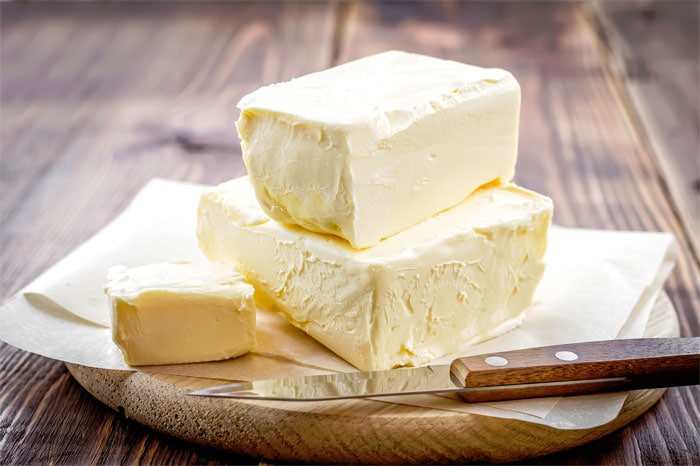
Although evidence of the association of copper and mental decline is limited, the association of bad fats and Alzheimer’s disease is much stronger. We are well aware of the detrimental effects of a diet high in saturated fat and trans fat to our heart health, but we know less about the studies that have documented fat’s adverse effects on mental disease, in particular Alzheimer’s disease.
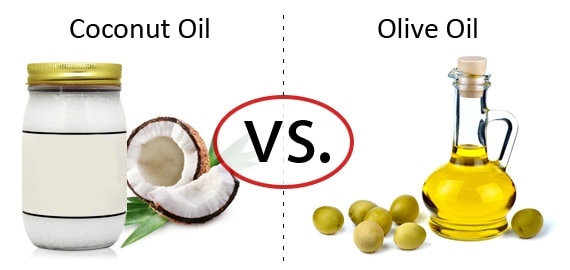
In the August 2003 issue of Archives of Neurology, the same group of researchers studied different types of fats in relation to Alzheimer’s disease incidents. They found that high intake of monounsaturated and polyunsaturated fats (such as omega 3 fatty acids) may be protective against Alzheimer disease, whereas intake of saturated or trans fats may increase risk. Hence, limit saturated and trans fat, for the sake of your heart and your brain. To do so, try adopting the following tips:
Alumni: University of British Columbia – Gloria Tsang is the author of 6 books and the founder of HealthCastle.com, the largest online nutrition network run by dietitians. Her work has appeared in major national publications, and she is a regularly featured nutrition expert for media outlets across the country. The Huffington Post named her one of its Top 20 Nutrition Experts on Twitter. Gloria’s articles have appeared on various media such as Reuters, NBC & ABC affiliates, The Chicago Sun-Times, Reader’s Digest Canada, iVillage and USA Today.
copper, saturated fats, trans fat
Like our content? Download our free shopping guide and the first chapter of the GoUndiet Book Now!

HealthCastle Nutrition Inc. · © Copyright 1997-2026 · All rights reserved