
Written By: Sejal Dave, RD
Title: Registered Dietitian
Alumni: University of Florida
Last Updated on:

The hot and lazy days of summer are almost over and, although it’s hard to believe, fall and winter are just around the corner. As the weather cools down, people tend to stay home more, which means fewer meals out and sometimes longer intervals between trips to the grocery store. Some people are stocking more frozen TV dinners in their freezers. So what should you be looking for?
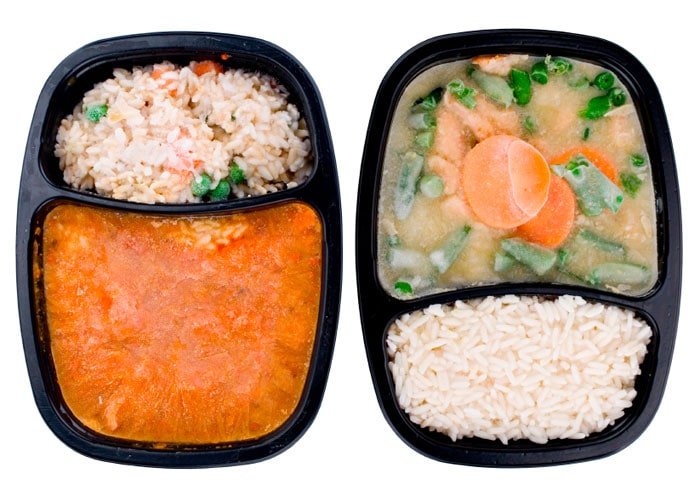
Table of Contents
The frozen food aisles are jam packed with selections. There are a variety of frozen meals that are known for being health conscious (think Lean Cuisine, Healthy Choice, Weight Watchers), which are probably better choices. However, it’s important to look at the Nutrition Facts Label in order to really know what’s inside each frozen meal. The following guidelines and tips will help you make the best selections when navigating the frozen meal aisles:
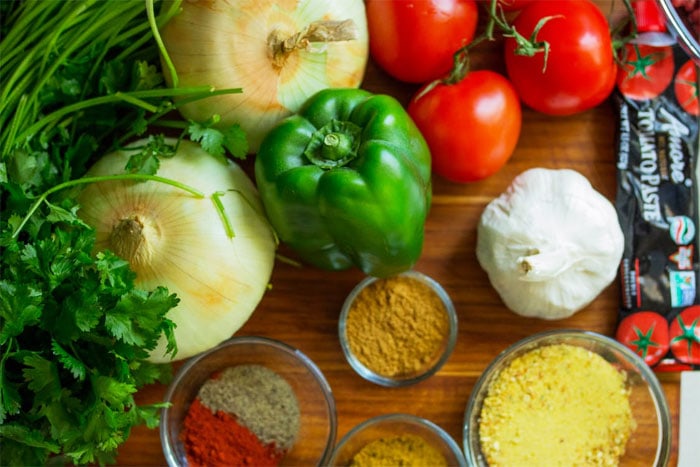
Frozen meals have certainly come a long way – the choices are endless and healthier options are definitely available. But are frozen meals a better alternative to fresh meals? The answer is no. Frozen meals are fine in moderation (especially on a snowy day when your fridge is empty), but overall fresh meals are going to give you more nutrients per bite, winter, spring, summer, or fall. So, instead of stocking up your freezer with frozen boxed dinners, focus your efforts on stocking your pantry with ingredients that are easy to put together.
Alumni: University of Florida – Sejal is a registered dietitian, a certified diabetes educator and she holds a masters degree in nutrition and health. Sejal was the project coordinator for the Veteran’s Administrations (VA) national weight loss program and previously worked for the VA hospital in Tampa, FL as a Spinal Cord Injury dietitian.
Sejal has had numerous clinical and community education experiences, including pediatric and intensive care nutrition support. She has also had the opportunity to teach nutrition courses at the community college level to students interested in pursuing health professions. One of her favorite areas of education is diabetes management.
Like our content? Download our free shopping guide and the first chapter of the GoUndiet Book Now!

HealthCastle Nutrition Inc. · © Copyright 1997-2026 · All rights reserved