
Written By: Beth Ehrensberger, RD
Title: Registered Dietitian
Alumni: University of Tennessee, Knoxville
Last Updated on:

Do you have something special in mind for the valentine that literally makes your blood race? It’s the most loyal but often underappreciated of all companions: your heart. With food claiming to be heart-healthy everywhere you look, it’s often difficult to decide which choices are truly good for your ticker. We’ve examined four of the most popular foods with heart-health claims, and given you the highlights.
Table of Contents
Though some promising research does suggest that moderate red wine consumption can have some heart-healthy effects, like raising HDL (good cholesterol) and inhibiting the formation of blood clots, you shouldn’t pour with abandon. Heavy alcohol consumption can increase cancer risk – and what’s more, many of the health benefits of drinking red wine can be achieved simply by exercising and eating a variety of fruits and vegetables.
Love it? If you don’t drink, don’t start now. If you are already a red wine drinker, keep your daily consumption to one glass if you’re a woman and two if you’re a man.

Teetotalers looking to get some heart-healthy benefits without alcohol have turned to grape juice as an alternative to red wine. Grape juice, like red wine, has been shown by research studies to reduce blood clotting and reduce damage to artery walls.
Love it? Grape juice from dark purple grapes can be a good way to keep a dose of heart-healthy resveratrol (a phytochemical found in the skin of dark-colored grapes) in your diet. As with any juice, stick to a 4-ounce serving, since too much juice can fill your diet with calories.
Omega-3 fatty acids have received a lot of attention for their heart healthy benefits. Omega-3 fatty acids – especially those from fatty fish, like salmon, halibut, lake trout, mackerel, and albacore tuna – can help reduce heart rhythm problems (which can result in sudden death), and may help reduce triglycerides and plaque buildup, and inhibit blood clotting.
Love it? Dig out your heart-healthy salmon recipes: the American Heart Association recommends eating fish, especially fatty fish, twice a week.
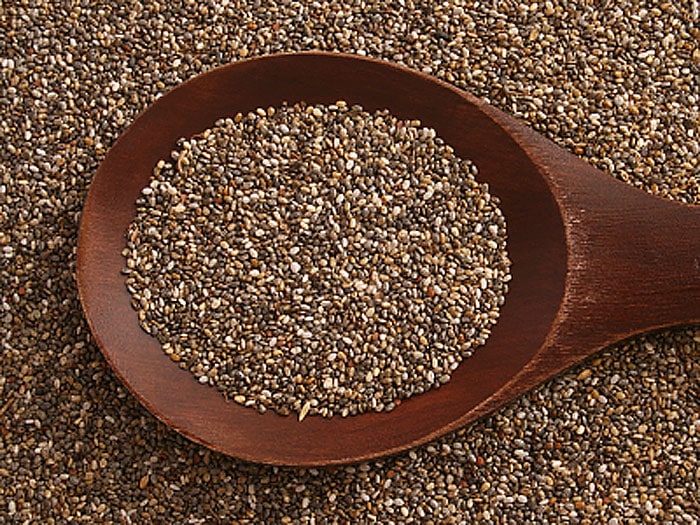
There are a lot of heart-health benefits packed into tiny flax seeds, since they are a good source for alpha linolenic acid (ALA), a type of omega-3 fat. Flax seeds have been shown to control blood pressure and help lower cholesterol. However, to gain the fullest spectrum of benefits, you must grind the seeds before eating them, since the tiny, difficult-to-crack seeds can pass through your system completely undigested.
Love it? Add a sprinkle of flax to your diet with a daily 2 to 4 tablespoon serving. Top your yogurt, oatmeal, or cold cereal with ground flax for a daily dose.
No one food alone can prevent heart disease, but a combination of heart-healthy foods with research-backed claims, plus exercise and a diet low in saturated fat, can help you stay as healthy as possible.
Alumni: University of Tennessee, Knoxville – Beth Sumrell Ehrensberger is a Registered Dietitian and holds a Master Degree in Public Health. An experienced nutrition counselor, writer and public speaker, Beth specializes in translating complex nutrition information into practical concepts. Beth was awarded a Nutrition Communications Fellowship to the National Cancer Institute, and has worked on the internationally recognized Nutrition Action Healthletter of the Center for Science in the Public Interest.
flax seeds, grape juice, heart smart, red wine, salmon, valentine
Like our content? Download our free shopping guide and the first chapter of the GoUndiet Book Now!


HealthCastle Nutrition Inc. · © Copyright 1997-2026 · All rights reserved