
|
Comments
|
|
Posted by Ushma Chheda on 2008-09-17 07:52:43
|
| this info was really interesting.
But I would like to know vegetarian sources of EPA & DHA
it would be really greatful.
Another thing which is confusing is..
Dr. McCleary says fructose should be had in very less quatities but on other side we also says a minimum of 4-5 fruits are a must..
How do we decide.....
what to believe in?? |
|
|
|
Posted by Connie Thoreson on 2008-09-17 08:07:28
|
| I am glad I checked out this podcast. VERY useful information! I I will add Lipoic Acid as a supplement and make sure my multi vitamins include Choline.
I am also glad to know that Dr McCleary labels coffee as good - That makes my coffee taste all that much better! |
|
|
|
Posted by Julie Barringer on 2008-09-17 08:26:47
|
| Responding to Ushma's comment on fructose, my interpretation is that as long as you are getting your fructose from real fruit, you are within the limit and there shouldn't be a problem. The real issue is the over consumption of high fructose corn syrup, which is a component of almost all prepared foods. With respect to DHA, the only vegetarian source I am aware of is marine algae (yum!). If you look up vegan supplements on the internet you should find some sources. |
|
|
|
Posted by Jenna on 2008-09-17 09:34:24
|
| Great information! I will have to look up more about lipoic acid! |
|
|
|
Posted by Luke on 2008-09-17 10:58:57
|
| Wow, great podcast. Learned a lot on this one. So there is such a thing as brain food after all! |
|
|
|
Posted by katy on 2008-09-17 14:32:17
|
| A good source for vegan vitamins is Dr. Fuhrman.com |
|
|
|
Posted by John Bobbin BNat on 2008-09-17 17:00:06
|
| I think, like most respondents, that this was a great podcast, with lots of information.I wasn't aware that they had included choline as a vitamin, it was a vitamin when I commenced nutritional studies but it and several other B-vitamins were removed from the list in the '80's. I agree with Julie's interpretation of the fructose comments that if you get your fructose from fruit you would not exceed the limit.Calling memory loss the third diabetes is interesting I'll have to look at the research for this.Everything that is researched lately seems to condemn over weight and obesity, I wonder are the everyday people noticing this and reacting accordingly. |
|
|
|
Posted by Ramesh A on 2008-09-18 00:53:50
|
| The vegan source of DHA is Flax seeds which can be taken in any form as oil or powder. This is a good vegan source for Omega 3. |
|
|
|
Posted by cris on 2008-09-18 01:42:52
|
| Flax seeds are the best better then fish |
|
|
|
Posted by Julie Barringer, MSc Nutrition on 2008-09-18 13:08:08
|
| Actually, contrary to popular belief, flax seeds are NOT a source of DHA. They contain ALA which is another type of omega 3 and they mostly benefit the heart but not the brain. The body can convert ALA into brain healthy EPA and DHA but it's very inefficient so you are much better off getting DHA directly from fish or supplements. Even the media often refer to omega 3s and DHA as the same thing. But be aware that there are many components of omega 3s. Hope this helps...J |
|
|
|
Posted by Luke on 2008-09-18 23:47:44
|
| Not only is the podcast full of good info, so is this discussion. Thanks, I learned alot! |
|
|
|
Posted by Patrica on 2008-09-21 13:33:34
|
| Enjoyed the podcast and learned a lot, now getting the book. |
|
|
|
Posted by Shoshannah on 2008-09-21 20:26:38
|
| Very interesting!
Any brand of B-vitamins that you could recommend? |
|
|
|
Posted by Ainee on 2008-09-21 22:12:16
|
| So Julie, perhaps i would like to ask a few questions here.Not all types of omega3 fatty acids are benefecial for the brain function, is that right?Then how about other sources of foods that are enriched with omega 3 such as eggs and milk?Can you tell me what are the types of omega 3 that are beneficial for the brain; and heart? Thanks in advance. |
|
|
|
Posted by Julie (MSc Nutrition) on 2008-09-22 09:12:32
|
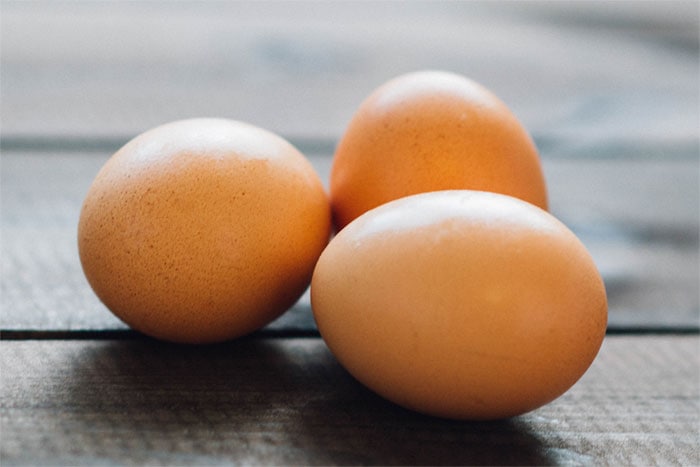
| Hi Ainee and Shoshannah, There are at least 9 different omega 3 fatty acids but the common ones are ALA, EPA and DHA. Some foods enriched with omega 3s only have ALA added - for example eggs from chickens that are fed flax seed meal. So if you want the brain healthy omega 3s you have to look for DHA and EPA on the label. ALA (one of the best sources is flax seed)is necessary for the heart and the rest of the body. So they are all good, but the brain cells - or neurons - require DHA for growth. From what I understand, DHA and EPA are always together in nature so they should be together in a supplement form. If only DHA is added (ie to yogurt) the brain may not be able to use it as efficiently as if it was accompanied by EPA. For more information, I think Wikipedia does a good job on this topic - especially on balancing omega 3s and omega 6s - just skip the Chemistry if it's too confusing.
With respect to B vitamins, it's important to take them in B complex form, not isolated Bs because they work best together (even more important to get them from food). I live in Canada and buy Cdn brands so you might not have access to the same ones. Just look for brands with no added wheat, yeast, starch, sugar, etc. |
|
|
|
Posted by RONNIE on 2008-09-22 11:24:57
|
|
|
|
|
Posted by Ed on 2008-09-24 09:03:10
|
| He mentions fructose makes the brain shrink. He doesn't mean fruit, though, does he? I'd have thought it was more the refined fructose like high fructose corn syrup... |
|
|
|
Posted by Larua Theroux on 2008-09-26 08:06:04
|
| The interviewer, Gloria Sang, leaves a lot to be desired. Her comments (ad nauseam) to the doctors were:
Wow! That's good to know. (2X)
That's very informative.
That's very good to know, I'm sure.
Perhaps a script writer would come in handy for any future podcasts. |
|
|
|
Posted by Luke on 2008-09-26 21:57:11
|
| It's not easy running an interview and Gloria is doing a fine job. Nice work on putting out informative podcasts. Keep them coming! |
|
|
|
Posted by Debby on 2008-09-27 17:21:32
|
| What is your opinion on 'B'cocktail shots? |
|
|
|
Posted by Susan on 2008-09-28 19:16:27
|
| Are all green teas alike? I lived in Japan for awhile and it is a staple drink. However, I was told it contained a toxin call tanin and over time it can be hazardous to your health. Do teas in the US differ from those around the world? |
|
|
|
Posted by c. williams. on 2008-09-30 05:30:03
|
| what about fruit juices, they are high in fructose, especially red grape juice which also contains powerful anti-oxidants as well? Should we be avoiding these? ( they are useful ways to take daily fruit quotas) Food additives in the form of fructose as a sweetner can be avoided and would seem sensible but what about the juicesand how much is ok if they're not so damaging? |
|
|
|
Posted by k.kleinedler on 2008-10-05 14:03:03
|
| Would anyone give more detailed info on food combination .....for example ...when we eat lentils which contains iron we should also eat vegetable or fruit of high content vitamen C so iron can be absorbed otherwise there is no use of lentils, or when we eat spinach and cheese, calcium in cheese can not be absorbed as some contents in spinach do not allow it. I would be very grateful if someone give me some more detailde info on food combination. more analysed info |
|
|