
Written By: Sofia Layarda, MPH
Title: Master of Public Health
Alumni: University of California, Berkeley
Last Updated on:

The issue of genetically modified (GM) foods ignites strong emotions from both supporters and opponents. Each side bolsters its point of view with various research studies. As a consumer, it is difficult to see the complete picture. What does the phrase “genetically modified” actually mean? What types of foods in this country are GM foods? Are fears about GM foods justified?
Table of Contents
For a long time, humans have selectively chosen and bred plants or animals with desirable traits, such as sweeter fruits or better disease resistance. This process involves breeding several varieties within the same species and seeing which of the offspring carry the desired traits, so it may take a few generations to produce an offspring with all the favored traits. With genetic modification, a specific gene exhibiting a certain trait is transferred directly from one organism (plant, animal, or bacterium) into another, and the transfer can occur between completely different species. Research on genetic modification has also looked at ways to enhance the nutritional content of a particular crop, such as increasing the Vitamin A content in rice.

According to molecular biologist Lisa H. Weasel, author of Food Fray, 80% of corn and 92% of soybeans grown in the US are GM varieties. Another common GM item is canola, which is derived from rapeseed. Also, if you buy Hawaiian fresh papaya, it is most likely a GM variety that was developed to be resistant to the papaya ringspot virus that was infecting and killing papaya crops in Hawaii. Reasons for the genetic modification vary by crop; it could be to increase crop yield, resistance to certain pests, or resistance to certain chemicals (which allow large amounts of herbicides to be applied to kill weeds without killing the crop plant). Labeling of GM foods is not mandatory in the US, so there is no process in place to confirm whether a product claiming to be “GM-free” is in fact so.
Dr. Doreen Stabinsky, genetic engineering campaigner for Greenpeace, is concerned that altering plants at the genetic level results in the production of potential new proteins or allergens. She believes that feeding studies conducted with GM foods are rarely done with humans, so it is difficult to guarantee their safety. Dr Bruce Chassy, IFT expert, disagrees, stating that many safety studies have been done with good results and the GM process is indeed safer than conventional cross-breeding. “If one study showed a specific GM-pea is unsafe, it means that particular pea is unsafe, not the GM technology,” said Chassy, who is a Professor of Nutrition Science and Food Safety at the University of Illinois.
Coming to an overall conclusion on this complicated issue is beyond the scope of this article. If you are interested and would like to read a bit more on this topic, we came across two books that offer fairly balanced, well-researched discussions on both the supporting and opposing sides:
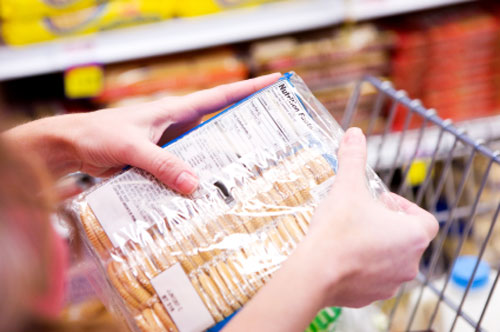
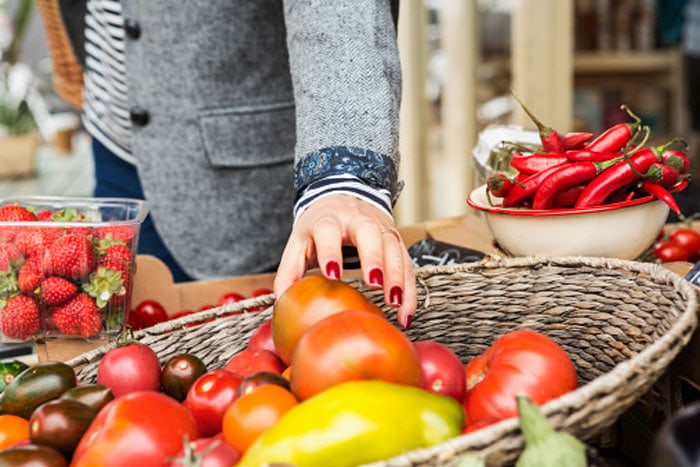
As a consumer, where does this leave you? Because the US does not require labeling of GM foods, chances are you may already be unwittingly consuming GM foods, even when you do not want to. Regardless of where you stand philosophically on the GM issue, eat a diverse variety of fresh vegetables, fruits, and minimally-processed whole grains. Eating a variety of fresh, whole foods means you are eating fewer processed foods (which are most likely made with GM ingredients).
Alumni: University of California, Berkeley – Sofia believes in bringing back fun and pleasure into everyday eating. She loves cooking, and is constantly experimenting with ingredients, creating recipes and trying them out on family and friends. Her latest interest lies in finding realistic and practical ways of environmentally-friendly food/eating habits.
food safety, genetically modified, gm foods, gmo, public health
Be a Grocery Store Sleuth: How to Decode Claims on Food Labels
How to Let the Food Label be Your Guide to Healthy Grocery Shopping
Like our content? Download our free shopping guide and the first chapter of the GoUndiet Book Now!


HealthCastle Nutrition Inc. · © Copyright 1997-2026 · All rights reserved