
Written By: Gloria Tsang, RD
Title: Founding Dietitian
Alumni: University of British Columbia
Last Updated on:

Cold months make warm drinks a daily ritual. Matcha often feels like a healthy upgrade. The real question is whether one cup a day can measurably improve metabolic health.
The evidence suggests small but meaningful shifts.
Table of Contents
Most long term data comes from green tea trials rather than matcha alone. Since both come from Camellia sinensis and contain catechins such as EGCG, we can look at those results for context.
A large meta analysis of randomized controlled trials found green tea consumption lowered:1
That translates to roughly a 2 to 5 percent reduction. It is not a medication level effect, but it is consistent across studies.
A meta analysis of 13 randomized trials found green tea reduced:2
Two millimeters of mercury sounds small. At a population level, even that degree of reduction is associated with lower cardiovascular risk.
For glucose control, pooled trials show about:3
Effects on long term markers such as HbA1c are less consistent in short term studies.
For body weight, trials examining green tea catechins with caffeine show averages of:4
These are modest shifts. But when combined with balanced eating and movement, they can support metabolic health over time.
The impact of matcha depends on context.
If it replaces sugar sweetened beverages, you reduce added sugars and excess calories. That alone often produces more metabolic benefit than catechins.
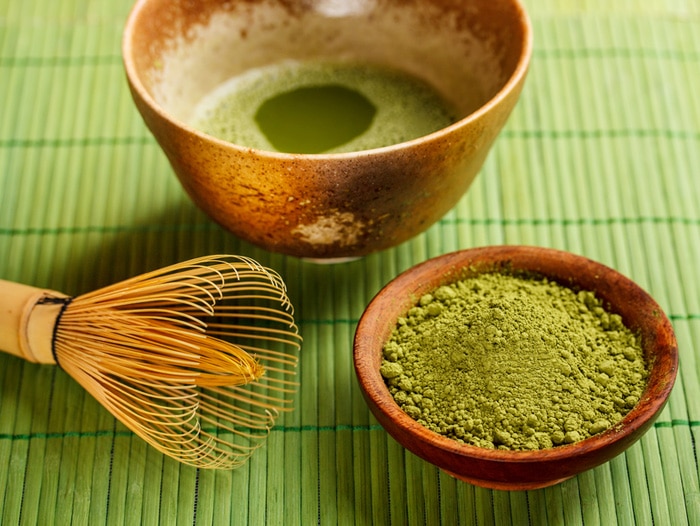
If you already drink mostly water or unsweetened beverages, adding a plain cup of matcha can still fit into a healthy pattern. Traditional matcha prepared with water has minimal calories. It adds polyphenols, L theanine, and a modest amount of caffeine without significantly increasing energy intake.
Here is how I recommend preparing and timing it.
Research on green tea shows brewing temperature affects catechin extraction and stability. Higher temperatures extract more catechins, but very hot water can increase bitterness and may degrade certain heat sensitive compounds over time.
For matcha, a practical range is about 70 to 80 degrees Celsius. That is hot but not boiling. This range balances good catechin availability with preservation of flavor and delicate amino acids such as L theanine.
Boiling water is not harmful from a safety standpoint, but it often produces a harsher taste and may reduce the sensory qualities that encourage regular intake. Consistency matters more than maximal extraction in one cup.
Many trials examining matcha use around 2 grams per day, roughly 1 teaspoon depending on density. For brewed green tea, 1 to 2 cups daily aligns with amounts studied in cardiometabolic research.
More is not always better, especially because matcha contains caffeine.
Matcha contains caffeine along with L theanine. The combination may support alertness while smoothing some of caffeine’s jittery effects.
There is no strong evidence that a specific clock time improves metabolic outcomes. However, from a sleep perspective, caffeine later in the day can impair sleep quality in sensitive individuals. Poor sleep negatively affects glucose regulation and appetite hormones.
For most people, earlier in the day is a safer choice if sleep is a concern.
If you add syrups or sugar, you reduce the metabolic advantage. Cinnamon, vanilla, or a small amount of milk can improve taste without large sugar loads.
HealthCastle has strict sourcing guidelines. We reference peer-reviewed studies, scientific journals and associations. We only use quality, credible sources to ensure content accuracy and integrity.
Alumni: University of British Columbia – Gloria Tsang is the author of 6 books and the founder of HealthCastle.com, the largest online nutrition network run by dietitians. Her work has appeared in major national publications, and she is a regularly featured nutrition expert for media outlets across the country. The Huffington Post named her one of its Top 20 Nutrition Experts on Twitter. Gloria’s articles have appeared on various media such as Reuters, NBC & ABC affiliates, The Chicago Sun-Times, Reader’s Digest Canada, iVillage and USA Today.
Latest Research: Quantity Not Key, Whole Food Diet Helps You Eat More, Consume Fewer Calories

Like our content? Download our free shopping guide and the first chapter of the GoUndiet Book Now!


HealthCastle Nutrition Inc. · © Copyright 1997-2026 · All rights reserved