
Written By: Beth Ehrensberger, RD
Title: Registered Dietitian
Alumni: University of Tennessee, Knoxville
Last Updated on:

For some, it’s hard to imagine having a wheat allergy, worrying about the possibility of having a life-threatening reaction, and having to think twice about ordering a pizza, munching a cookie, or biting into a sandwich made from thickly sliced bread. But for many, this allergy is just part of the reality of everyday living, and something that anyone faced with the challenge can learn to expertly navigate. Read on for ideas on how to safely manage a wheat allergy – nutritiously!
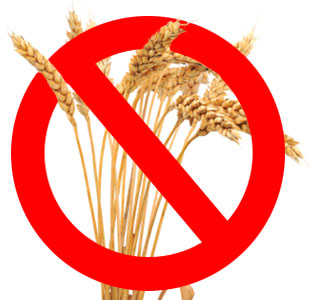
Table of Contents
Wheat allergy is often, but incorrectly, confused with celiac disease – a permanent digestive condition that produces an adverse reaction in people when they eat gluten (a protein found in wheat, rye, barley, and some oats). Like those with celiac disease, people with a wheat allergy also cannot eat wheat – but they can eat rye, barley, and oats. Also, a wheat allergy can be (but is not always) outgrown by children. However, since “gluten-free” by definition means “wheat-free”, the prominent labeling on gluten-free products in the supermarket makes it easy to spot allergy-safe products.
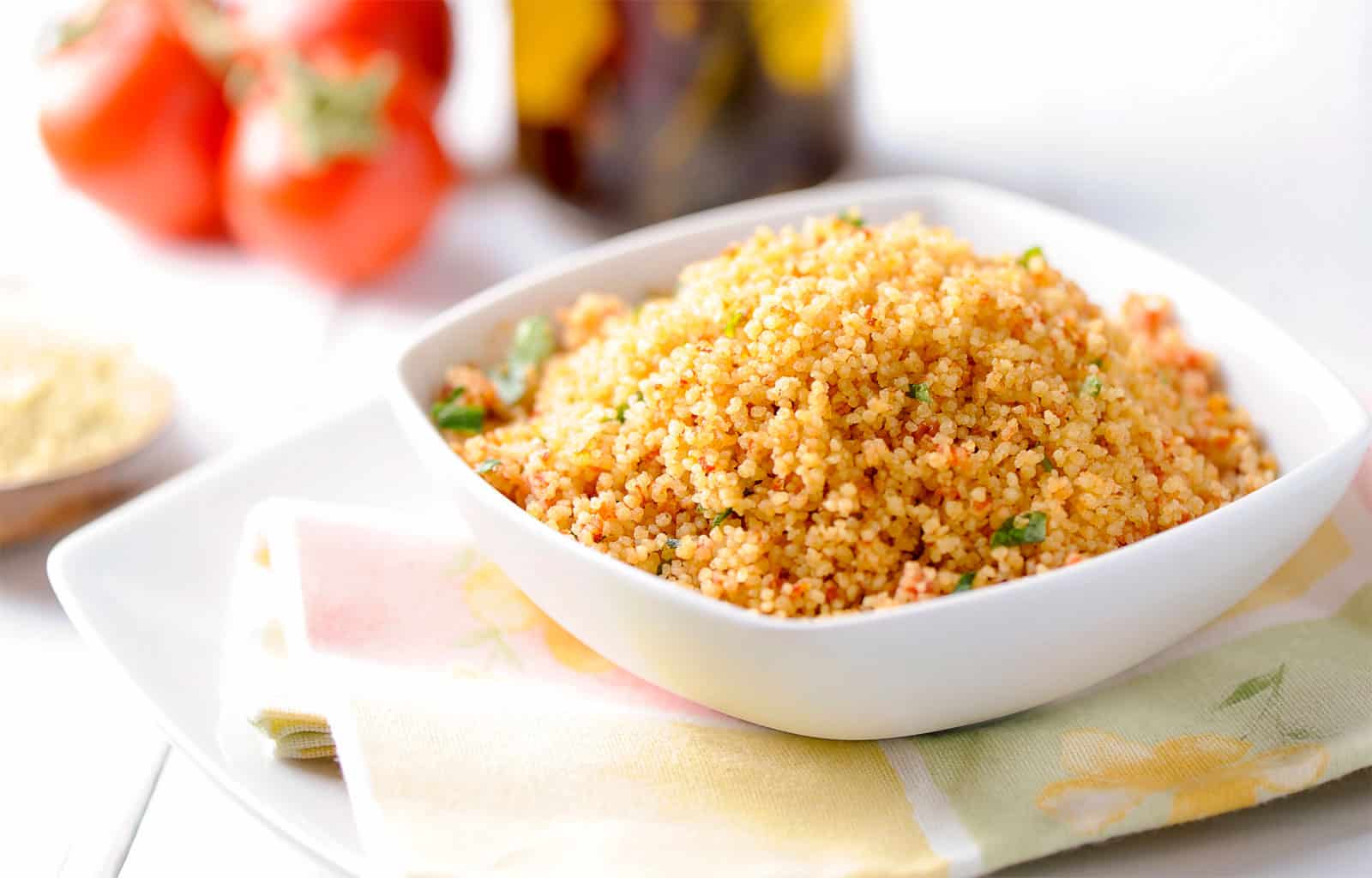
Wheat turns up in many foods – not just those you’d suspect like bread and pasta. It’s also in things like soy sauce, ice cream, some marinara sauces, and even communion wafers! To stay safe, it’s critical to read labels for clues about the inclusion of wheat; since it’s one of the eight primary allergens required to be listed on packaged foods in the USA, it’s relatively straightforward to identify. But, keep in mind that “wheat” can also be listed as kamut, bulgur, couscous, farina, triticale, semolina, and spelt. Also, if you have severe wheat allergies, it’s a good idea to choose products made in a dedicated wheat-free facility to avoid cross contamination from airborne wheat particles.
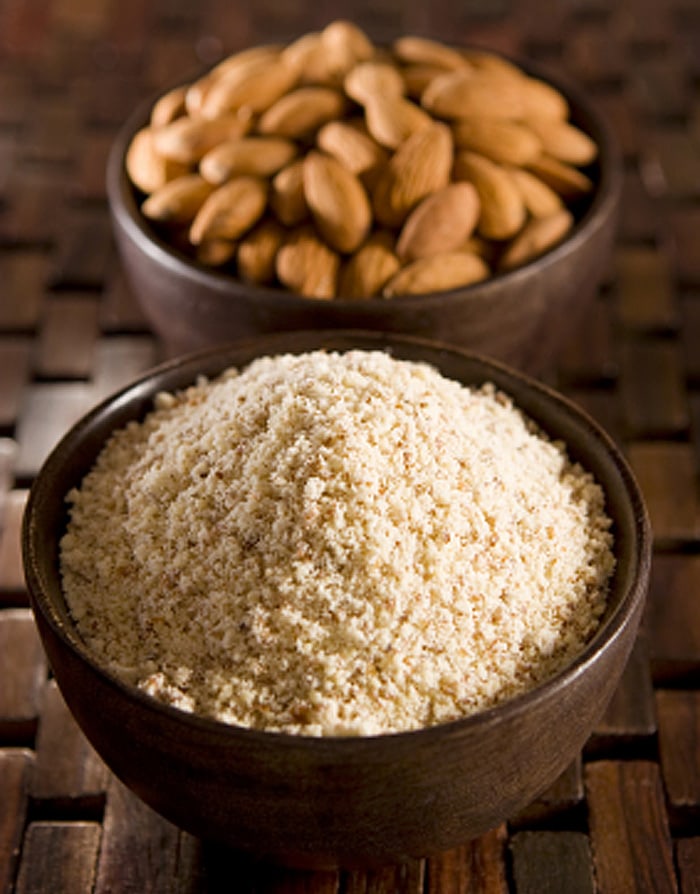
If you manage a wheat allergy, you needn’t worry about feeling deprived – there are plenty of great substitutions to fill your cravings. If you like to bake (or just like baked goods – and who doesn’t?), the Food Allergy and Anaphylaxis Network (FAAN) suggests using the following substitutes equivalent to one cup of wheat flour:
One Cup of Wheat Flour:
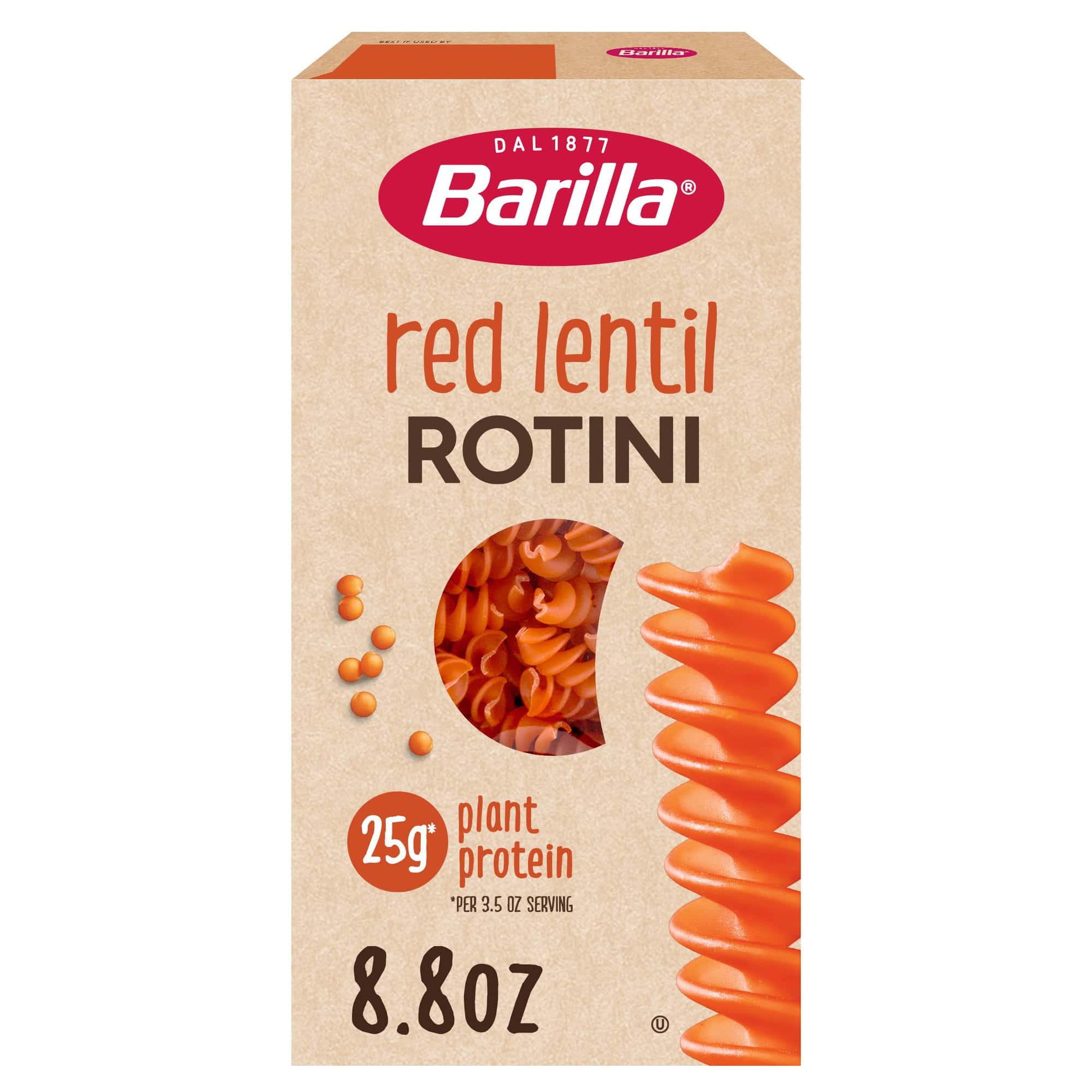
Some mainstream brands, like King Arthur Flour, produce wheat-free four blends that take the guesswork out of flour experimentation and are easy to use. Of course, it’s not always feasible to cook from scratch, especially when it comes to everyday staples such as bread and pasta. A visit to your local health food store, large mainstream supermarket or even an online search can turn up plenty of wheat-free processed foods that you can add to your daily lineup.
The good news is, wheat is just one of the many grains that can add fiber as well as vitamins and minerals when eaten in whole form. So when you eliminate wheat, it’s important to ensure you’re filling your diet with whole grains, which we know to be linked to everything from heart health to weight management. Keep in mind that many wheat-free processed foods are made from cornstarch, white rice flour, and potato starch – so they obviously aren’t whole grain, plus, they don’t have the benefit of calcium, iron, and folic acid fortification. So, it’s extra-important for you to be intentional about calcium intake from dairy, iron from beans and meat, and folate from leafy greens.
Choose popcorn for a snack instead of wheat-free crackers or pretzels.
Select whole grain brown rice instead of regular white rice for a side dish.
Try cooking up a super grain like quinoa or amaranth for a tasty, nutritious change.
There are plenty of worthy substitutions to keep your wheat-free diet full of flavor and nutrition! Learn to cread all food labels arefully to uncover hidden allergens, as well as to reveal good sources of no-wheat vitamins and minerals!
Alumni: University of Tennessee, Knoxville – Beth Sumrell Ehrensberger is a Registered Dietitian and holds a Master Degree in Public Health. An experienced nutrition counselor, writer and public speaker, Beth specializes in translating complex nutrition information into practical concepts. Beth was awarded a Nutrition Communications Fellowship to the National Cancer Institute, and has worked on the internationally recognized Nutrition Action Healthletter of the Center for Science in the Public Interest.
allergy, celiac, gluten free, wheat
Which Salt to Choose? Check out These 4 Salts and Their Characteristics

Like our content? Download our free shopping guide and the first chapter of the GoUndiet Book Now!


HealthCastle Nutrition Inc. · © Copyright 1997-2026 · All rights reserved