
Written By: Sofia Layarda, MPH
Title: Master of Public Health
Alumni: University of California, Berkeley
Last Updated on:

As summer approaches, we often reach for soothing foods and beverages to keep us cool in the heat. But is it true that some foods can actually keep you cool inside and reduce inflammation as well? There is a growing body of research that suggests chronic inflammation within the human body is linked to diseases such as cancer, cardiovascular disease, asthma, and Alzheimer’s. What would an anti-inflammation menu look like?
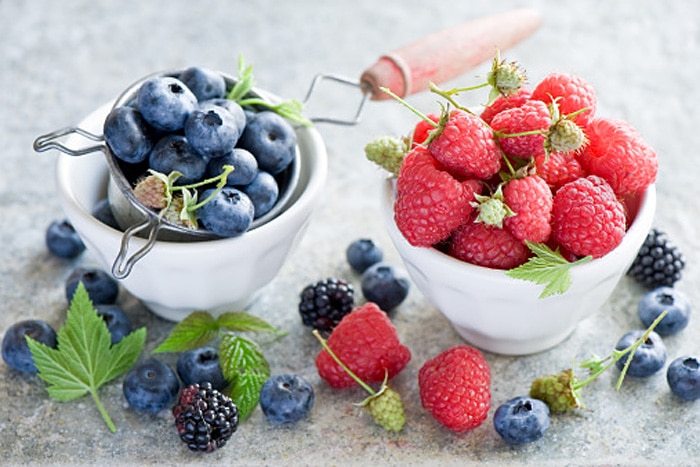
Table of Contents
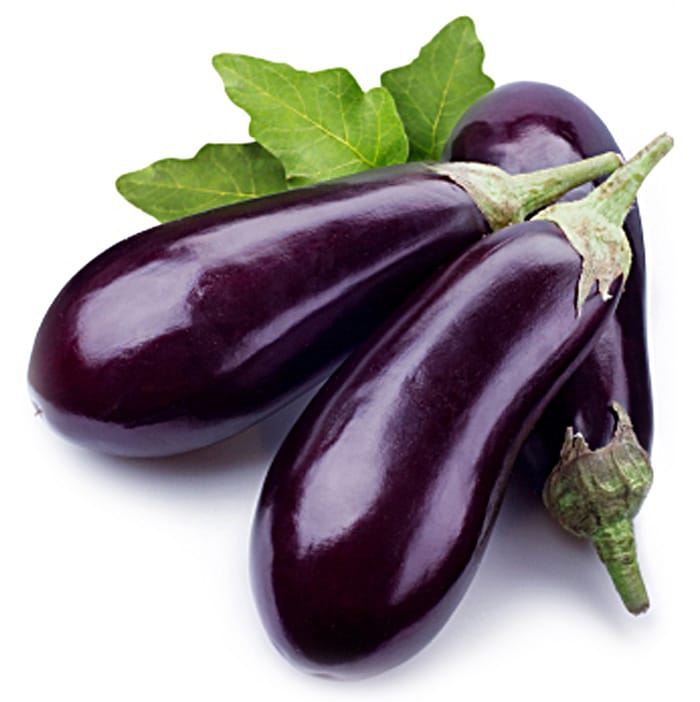
Eating the colors of the rainbow is a practical and achievable strategy to get your phytonutrients, the superb antioxidants found in fruits and vegetables. They are great at preventing chronic oxidative stresses that lead to inflammation. Some well-known examples are anthocyanin (in blueberries), resveratrol (in grapes and red wine), and lycopene (in tomatoes). And just because some produce such as cabbage or cauliflower appears colorless, don’t skip it: Both these vegetables are high in potent antioxidants. In addition, many fruits and vegetables are great sources of Vitamin C, itself a well-known antioxidant.
Add nuts for crunch and beneficial monounsaturated fats (which help inhibit many pro-inflammatory metabolic pathways or enzymes). Use fresh herbs liberally, and dress salads lightly with a vinaigrette of your choice, which can be as simple as extra virgin olive oil and fresh lemon juice.
Some great options for your anti-inflammation appetizer: cabbage (all kinds – red, napa, white), cauliflower, mushrooms, nuts (walnuts, almonds and cashews), dark leafy greens, avocado, tomatoes.
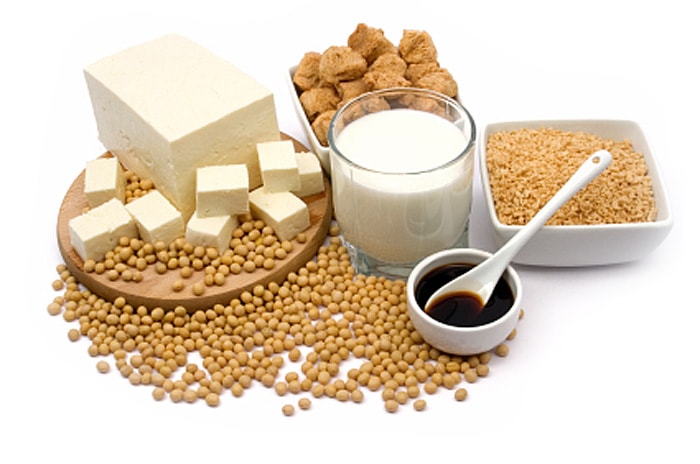
Soy protein sources (tofu, tempeh, and edamame) and whole grains (e.g., amaranth, brown rice, buckwheat) are considered anti-inflammatory because they contain micronutrients that play important roles in antioxidant reactions within the body, such as copper and manganese.
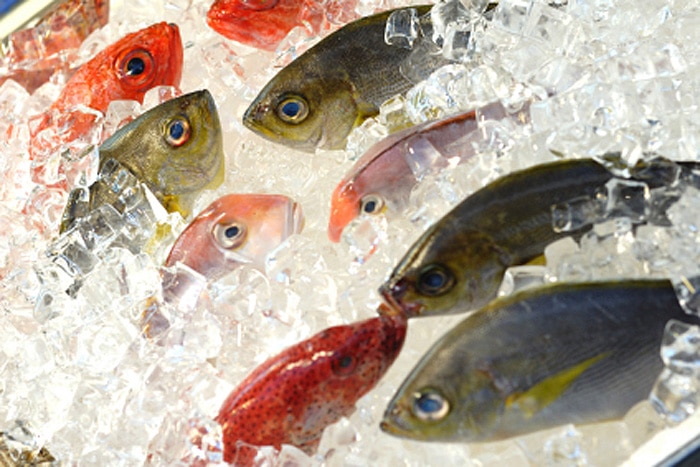
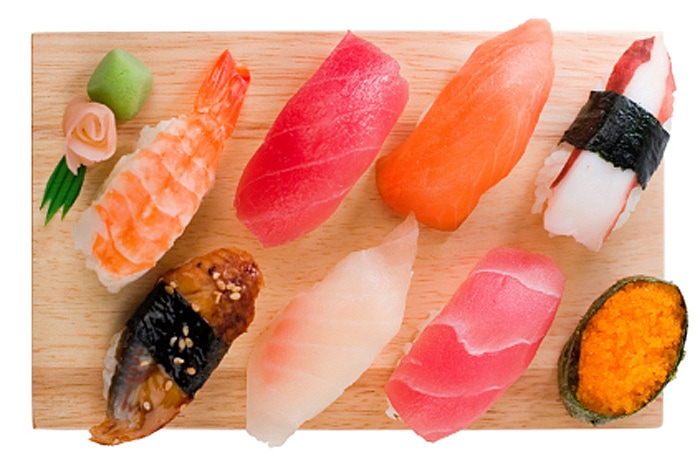
Fish, particularly fatty fish such as salmon, sablefish, and halibut, are excellent sources of omega-3 fatty acids. There is a hypothesis that the typical North American diet (which is high in omega-6 fatty acids from vegetable oil blends used in processed foods, and low in omega-3 fatty acids) is associated with higher rates of chronic inflammation and resulting diseases. Many seafood sources of omega-3 fatty acids are also high in Vitamin D, which helps inhibit some pro-inflammatory metabolic pathways in the body.
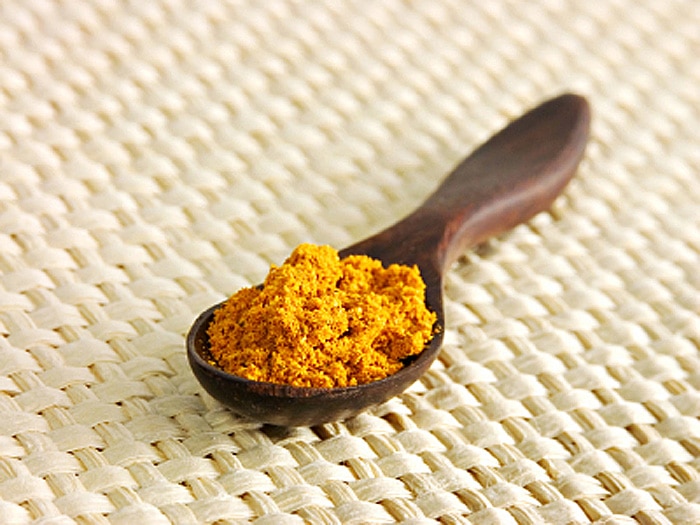
Rosemary, ginger, and turmeric have been identified as spices that appear to exhibit anti-inflammatory activity. In particular, the compound curcumin in turmeric has been shown to activate certain enzymes within brain cells that are protective against inflammation, oxidative damage, and cell death. Curcumin has also been studied regularly for its anti-cancer properties. Rosemary that is added to marinades has been shown to lower the formation of carcinogens called heterocyclic amines (HCA) in grilled meats.
It’s easy to drink your phytonutrients, if you include beverages such as green tea, red wine, and coffee. Recent studies in animal models show beneficial effects of various phytonutrients on dilating the airway (helpful in asthma), improving blood lipid profile, moderating the inflammatory compounds circulating in the blood, and preventing uncontrolled cell growth (which leads to cancer). The green tea catechin EGCG has also been shown to protect neurons against oxidative damage.
Speaking of beverages, milk is another easy source of Vitamin D, particularly for those who do not consume fish or other seafood regularly.
It turns out many of the foods that can help fight chronic inflammation are the same ones containing the various nutrients needed to keep us healthy in general. This summer, keep yourself cool inside and out by choosing a variety of anti-inflammatory foods from the above list.
What do you think? Any of the above foods work in your diet this summer? Share your thoughts with us by commenting below now.
Alumni: University of California, Berkeley – Sofia believes in bringing back fun and pleasure into everyday eating. She loves cooking, and is constantly experimenting with ingredients, creating recipes and trying them out on family and friends. Her latest interest lies in finding realistic and practical ways of environmentally-friendly food/eating habits.
anti-inflammatory, antioxidant, cancer diet, fruits, heart smart, omega-3, phytonutrients

Like our content? Download our free shopping guide and the first chapter of the GoUndiet Book Now!


HealthCastle Nutrition Inc. · © Copyright 1997-2026 · All rights reserved