
Nutrition Basics 101Healthy Eating GuidelinesSuper FoodsHealth and NutritionWomen's NutritionWeightloss DietNutrition Newsletter

The Ultimate Good Carb Guide

Written by Elizabeth Daeninck, MS, RD
Published in January 2008

good carb bad carb(HealthCastle.com) Have you ever had a friend tell you that they were giving up carbs? Are you confused by all the talk of carbohydrates? If so, you are not alone. Read on to check out our good carb guide to help you load up on good carbs and cut back on bad carbs.

Carb 101

Carbohydrates, despite their bad rap, are an essential component of a healthy, well-balanced diet. But what kind of carbs?

Carbohydrates are found in many foods in different forms: sugars, starches, and fiber. Your body requires all three forms at different times. For example, during long periods of exercise (lasting more than 1 hour), sugars are the best source of fuel - they are used quickly by the body when your body needs energy most. By contrast, starches and fiber should be the bulk of your carbohydrate intake on a daily basis. This is because starches and fiber are broken down slower by the body and provide the body with dietary bulk (fiber) to help with digestive health, controlling blood sugar and cholesterol levels, and preventing some types of cancers.

The Ultimate Good Carb Guide

  Vegetables and Fruits

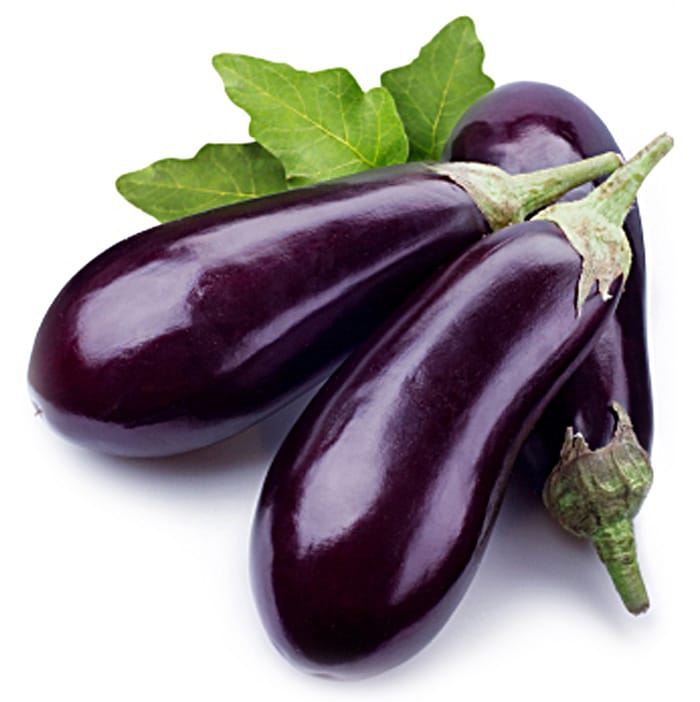
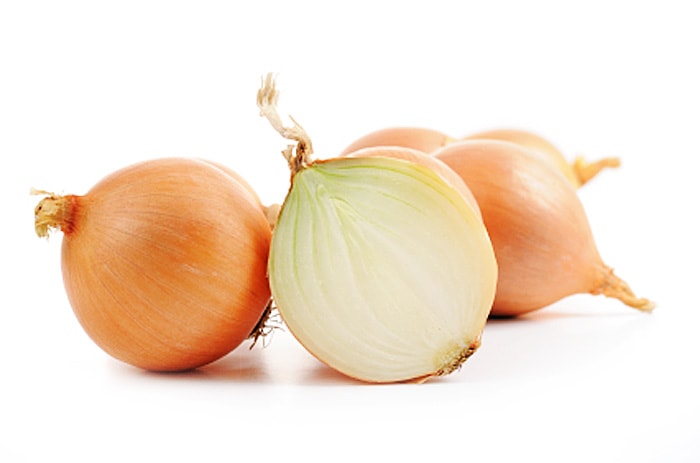
  • Aim for at least 2 cups of fruits and 2.5 cups of vegetables to help you get the nutrients found in these super foods. Filling up on vegetables and fruits will help you reduce your intake of other foods as well.
  • Go for fiber-rich sources - eating more vegetables and fruits with the skin will optimize your intake of fiber. For example, an orange contains much more fiber than a glass of orange juice. A pear (eaten with the skin) has nearly twice the fiber found in a banana.
  • You may have heard that potatoes and bananas should be avoided. But in reality, these are considered "good" carbs. It's just a matter of making sure that you are consuming an appropriate portion – a small-medium sized banana, and 1/2 to 1 cup of potatoes (depending on your size and meal composition) is a healthy choice.

  Cereals

  • Go for the rule of threes: choose a breakfast cereal that contains more than 3 grams of fiber and protein, while having less than 30 grams of total carbohydrates. It may be hard to meet the limit on total carbohydrates if you are looking at a higher fiber cereal. In this case, I recommend subtracting the total amount of fiber from the total carbohydrates to see how it works out. (For example: A serving of Kellogg's Cracklin' Oat Bran (3/4 cup) contains 35g of total carbohydrates and 6g of fiber. Subtracting the fiber from the total carbohydrates puts total carbohydrate intake per serving at 29g).
  • Of course, eating whole grain cereals is always a great idea (oatmeal, cream of wheat, etc.).

  Breads

  • As with breakfast cereals, the bakery aisle is an overwhelming area! Shooting to consume a bread that contains at least 3 grams of fiber and 3 grams of protein per slice will help to optimize your intake of nutrients.

  Beans

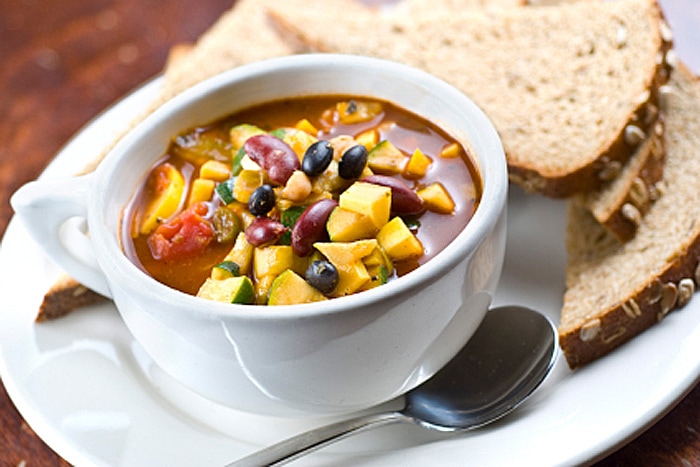
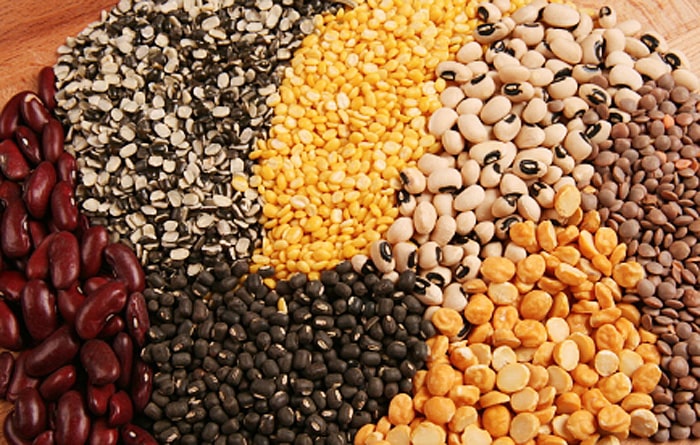
  • These are powerhouses for fiber and protein! Adding a few garbanzo beans to your salad helps increase your intake of healthy carbs and add more variety to your diet. Consider adding different beans (white or red kidney, garbanzo, black beans, etc.) to your favorite recipes to help up your nutrient intake.

The Low Down on Carbs

You probably have a good idea of what the "bad" carbs are – baked goods like cookies and cakes, as well as highly refined sugary foods such as sodas and candy. However, there are foods that are considered to be good sources of carbohydrates, unless the portion gets out of hand. For example, a typical bagel is equivalent to 3-4 slices of bread! So, the bottom line with carbohydrates is to ensure that you are not overdoing your portions.

Consider all the sources of carbohydrates for your meal and make sure that you are consuming a reasonable amount for your dietary needs (dependent on your size and activity level). Generally, we don't need more than the equivalent of 2 slices of bread and 1/2 to 1 cup of fruits and/or vegetables each meal.

Page copy protected against web site content infringement by Copyscape


| Print Page | | nutrition tipsRSS |

Want to discuss nutrition topics? Use our Discussion Forum


Advertisement

FAQ Editor's Picks

Let the Sneaky Chef teach you how to cheat on your man, in the kitchen of course!

Food & Nutrition

Diet Guidelines
Nutrition Basics
Grocery Aisle
Healthy Dine-out
Super Foods
Nutrition Books
Nutrition Articles

Nutrition & Health

Heart Smart Diet
Cancer Diet
Gout Diet
Acid Reflux
High Cholesterol
Diabetes Diet
Diverticulitis Diet
Lactose Intolerance
IBD Diet
Gluten-Free Diet
ADHD Diet

Women's Nutrition

Menopause Diet
Osteoporosis
Anemia
Breast Cancer Diet
Pregnancy Nutrition

Weight Loss Nutrition

Am I Overweight?
Free Diet Profile
BMI Calculator
Waist-to-Hip Ratio


HONcode accreditation seal.
Categories:
Nutrition 101 | Healthy Eating | Super Foods | Podcast | Women's Nutrition | Food & Nutrition | Nutrition & Health | Weight & Diet
Member Area:
Login | SignUp | Free Nutrition Newsletter | Forum | Search | healthcastle nutritionRSS
Media:
Press Room | Gloria Tsang, RD | In the News | News Release | White Paper | Logo | Recommended By | Event Photos
Corporate:

About Us | Advertise with Us | Legal | Syndicate | Privacy Policy | Site Map | Contact Us

Information on this site is provided for informational purposes and is not meant to substitute for the advice provided by your own physician or dietitian. Information and statements have not been evaluated by the Food and Drug Administration and are not intended to diagnose, treat, cure, or prevent any disease.
Copyright© 1997-2008 Healthcastle Nutrition Inc. All rights reserved.