
Written By: Gloria Tsang, RD
Title: Founding Dietitian
Alumni: University of British Columbia
Last Updated on:

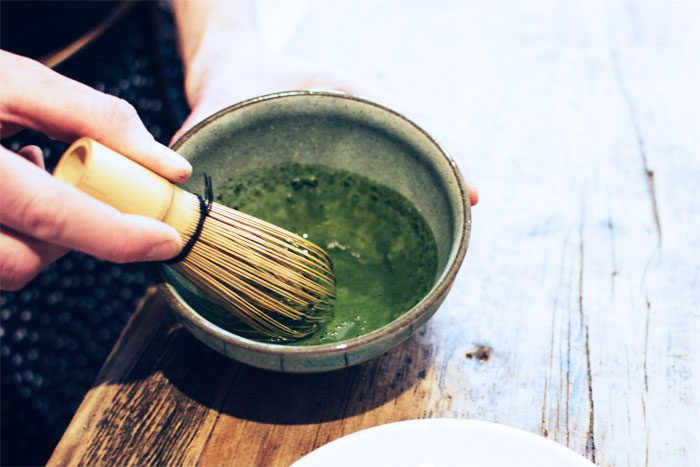
Table of Contents
Researchers from Tohoku University in Japan investigated data of more than 400,000 participants aged 40 to 79 years. These individuals were followed for 11 years, and the death rates from heart disease, cancer and other causes were analyzed. Researchers found that the heart disease death rate from participants who drank more than five cups of green tea daily is 26 percent lower in the first seven years of study. In addition, researchers found that the benefits of green tea appeared to be stronger in women than men. The results of this study were published in the Journal of American Medical Association in September 2006.
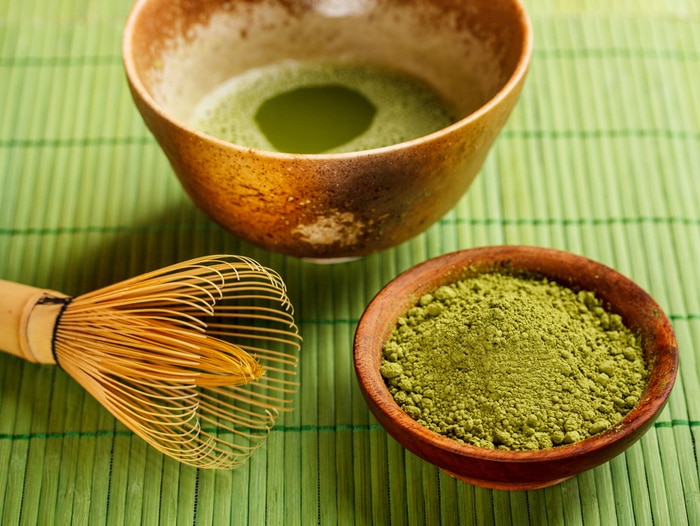
Tea is the most commonly consumed beverage in the world after water. Green tea, in particular, has been touted heavily for its potential role in preventing cancer and heart disease. Green tea contains polyphenol catechins, a type of antioxidant, which may help protect our body from free radical damage. Indeed, tea ranks as high as or higher than many fruits and vegetables in the Oxygen Radical Absorbance Capacity or ORAC score, which measures antioxidant potential of plant-based foods.
Despite of its high level of catechins, green tea’s status as a health food is still inconclusive based on current evidence. Indeed, the FDA just rejected green tea’s heart health claim after reviewing 105 studies in May 2006 and concluded that there is “no credible scientific evidence” to support qualified heart health claims. In addition, FDA also turned down a request of green tea’s cancer health claim in June 2005.
The more processing tea leaves undergo, the darker they will turn. Black and red teas are partially dried, crushed and fermented. Green tea is the least processed tea. They are simply steamed quickly. Regardless of the processing method, all teas contain polyphenols.
Despite FDA’s rejection on green tea’s health claim regarding heart disease, there are no reported adverse health effects of drinking green tea and hence it can be included as part of a healthy diet on a regular basis. To reap of health benefits of green tea, brew it for at least three to five minutes to bring out the beneficial polyphenols.
Alumni: University of British Columbia – Gloria Tsang is the author of 6 books and the founder of HealthCastle.com, the largest online nutrition network run by dietitians. Her work has appeared in major national publications, and she is a regularly featured nutrition expert for media outlets across the country. The Huffington Post named her one of its Top 20 Nutrition Experts on Twitter. Gloria’s articles have appeared on various media such as Reuters, NBC & ABC affiliates, The Chicago Sun-Times, Reader’s Digest Canada, iVillage and USA Today.
antioxidant, green tea, matcha, polyphenols
Protein Needs in Athletes: What Science Says Today (A 2026 Update)

Like our content? Download our free shopping guide and the first chapter of the GoUndiet Book Now!


HealthCastle Nutrition Inc. · © Copyright 1997-2026 · All rights reserved