
Written By: Gloria Tsang, RD
Title: Founding Dietitian
Alumni: University of British Columbia
Last Updated on:

For many, lunch meat is a regular ingredient in bagged lunches. It’s admirable to pack a lunch for ourselves and our family members rather than eating out for every lunch, but are we trading nutritional value for the convenience of processed luncheon meats?
Table of Contents
Processed food means just that: the food has been subject to a special process or treatment, altering the food from its natural state. Most luncheon meats contain nitrites and nitrates, which are preservatives, coloring, and flavoring additives, and can lead to the formation of nitrosamines, some of which are carcinogenic. In 2007, a study of processed meat intake in relation to cancer risk concluded that individuals in the highest group of processed meat intake had an elevated risk for colorectal and lung cancers.
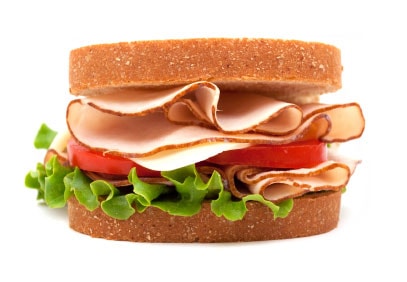
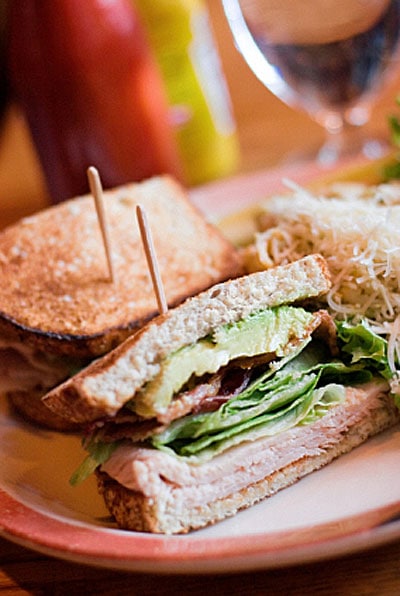
Let’s take a look at some of the popular packaged processed lunch meats we often layer between our sandwich bread.
The following table compares the nutritional values of some processed meats:
| Luncheon meat (3 oz serving) |
Calories (kcal) |
Total Fat (g) |
Sodium (mg) |
| Beef, Slow Roasted, 95% fat free (Oscar Mayer’s) |
100 | 4.2 | 867 |
| Bologna, Beef | 267 | 24.0 | 919 |
| Chicken Breast, 97% fat free, oven roasted (Oscar Mayer’s) |
90 | 2.2 | 1059 |
| Chicken Breast, Oven Roasted (Oscar Mayer’s) |
92 | 2.6 | 1060 |
| Corned Beef, Saval, Brisket | 106 | 3.0 | 759 |
| Ham, Honey | 137 | 6.8 | 714 |
| Ham, Black Forest | 106 | 3.8 | 440 |
| Ham, Extra Lean 5% Fat | 94 | 2.5 | 941 |
| Pepperoni | 396 | 34.3 | 1521 |
| Salami, Cold Cuts, Hard (Oscar Mayer’s) |
315 | 25.2 | 1607 |
| Turkey Breast, Smoked (Oscar Mayer’s) |
90 | 1.5 | 940 |
| Tuna, Canned in Water | 109 | 2.6 | 321 |
Compared to their fresh, whole-cut meat counterparts, processed meats are typically higher in sodium, calories, and fats. Pepperoni, salami, and bologna are among the highest in sodium and fat content.
Processed meats are not the only quick and easy solutions for lunchtime ingredients. Try using leftover slices of roast beef, ham, turkey, or chicken breast from your dinner table for a healthier alternative to processed lunch meat. Tuna, canned in water, is another healthier option for your bagged lunch and offers reduced sodium and fat content. If you enjoy the convenience of processed lunch meats, look for those with lower sodium and fat content, such as turkey and chicken breast.
Alumni: University of British Columbia – Gloria Tsang is the author of 6 books and the founder of HealthCastle.com, the largest online nutrition network run by dietitians. Her work has appeared in major national publications, and she is a regularly featured nutrition expert for media outlets across the country. The Huffington Post named her one of its Top 20 Nutrition Experts on Twitter. Gloria’s articles have appeared on various media such as Reuters, NBC & ABC affiliates, The Chicago Sun-Times, Reader’s Digest Canada, iVillage and USA Today.
luncheon meat, meat, sandwiches

Like our content? Download our free shopping guide and the first chapter of the GoUndiet Book Now!


HealthCastle Nutrition Inc. · © Copyright 1997-2026 · All rights reserved