
Written By: Gloria Tsang, RD
Title: Founding Dietitian
Alumni: University of British Columbia
Last Updated on:

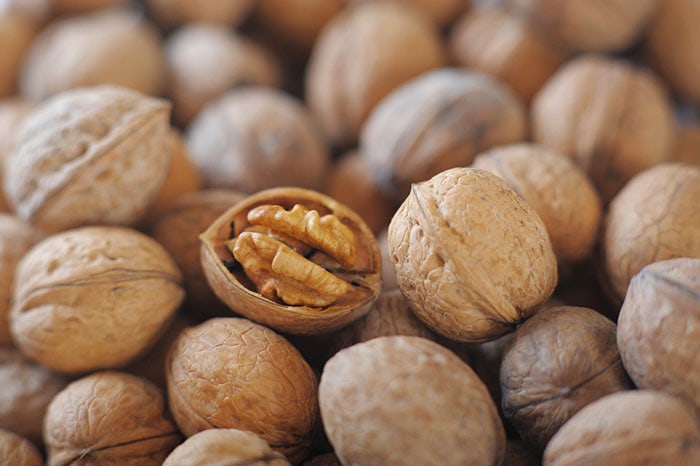
Ask almost anyone which nut is best for your heart, and the answer is almost always the same: walnuts. That reputation is well-earned. Decades of research, an American Heart Association Heart-Check certification on some products, and high omega-3 content have made walnuts the poster child of heart health. But is walnuts’ dominance a reflection of superior health benefits?
Table of Contents
Walnuts and pecans are nutritional cousins, but they offer different fatty acid profiles, micronutrients, and antioxidants. The table below compares both per one-ounce (28 g) serving, based on USDA data:
| Nutrient (per 1 oz) | Pecans | Walnuts |
| Calories | 196 | 185 |
| Total Fat | 20.4 g | 18.5 g |
| Monounsaturated Fat | 11.6 g | 2.5 g |
| Polyunsaturated Fat | 6.1 g | 13.4 g |
| ALA Omega-3 | 0.3 g | 2.5 g |
| Protein | 2.6 g | 4.3 g |
| Dietary Fiber | 2.7 g | 2.0 g |
| Vitamin E | 2.6 mg | 0.7 mg |
| Magnesium | 34 mg | 45 mg |
| Total Polyphenols | Highest among 10 nuts (Poland study) | High; pedunculagin-rich |
The main difference lies in their healthy fats. Walnuts are the only tree nut packed with plant-based omega-3s (ALA), providing 2.5 grams per ounce compared to just 0.3 grams in pecans. This is significant because ALA helps reduce inflammation and lower lipid levels.
Pecans, on the other hand, excel in monounsaturated fats (11.6 g vs. 2.5 g per ounce) – the same heart-healthy fats found in olive oil. They also contain significantly more vitamin E (2.6 mg vs. 0.7 mg per ounce) and overall antioxidants. In comparative studies measuring nut polyphenols and flavonoids, pecans consistently top the charts. They also offer slightly more fiber (2.7 g vs. 2.0 g per ounce), while walnuts provide slightly more protein (4.3 g vs. 2.6 g) and magnesium.
The bottom line: both nuts deliver impressive heart-health benefits, just through different nutritional paths.
The clinical research supporting walnuts is extensive. Over 30 years of studies supported by the California Walnut Commission across institutions like Harvard, Penn State, and Yale have yielded key findings:
Pecans also have strong research backing. A 2025 review5 synthesized over two decades of human clinical trials (52 studies), highlighting several key outcomes:
Where walnuts hold a clear advantage is in improving arterial function and reducing systemic inflammation (such as lowering CRP and interleukin-6). Pecan studies on blood vessel dilation have so far shown mixed results, signaling a need for further research.
When it comes to managing cholesterol, both nuts show clear and comparable benefits for lowering LDL, total cholesterol, and triglycerides. They simply work through different mechanisms: walnuts rely on omega-3 ALA and polyunsaturated fats to target inflammation and cholesterol, while pecans use monounsaturated fats, plant sterols, and antioxidants to lower LDL and prevent lipid oxidation.
Where pecans stand out most is their antioxidant power. Pecans are rich in ellagitannins, proanthocyanidins, and flavan-3-ols—compounds that protect cells, fight inflammation, and support gut health.
While walnuts also contain valuable antioxidants, pecans consistently rank at the top of nut comparisons for total phenolic content and antioxidant capacity. In fact, in a USDA analysis of 277 foods ranked by antioxidant capacity, pecans were the only nut to appear in the top 20.
This is critical for heart health because oxidized LDL damages arterial walls and accelerates plaque buildup. A clinical trial6 confirm that eating pecans increases antioxidant levels in the blood and actively protects LDL from oxidation.
You don’t have to choose just one! Here is how to decide based on your health goals:
HealthCastle has strict sourcing guidelines. We reference peer-reviewed studies, scientific journals and associations. We only use quality, credible sources to ensure content accuracy and integrity.
Alumni: University of British Columbia – Gloria Tsang is the author of 6 books and the founder of HealthCastle.com, the largest online nutrition network run by dietitians. Her work has appeared in major national publications, and she is a regularly featured nutrition expert for media outlets across the country. The Huffington Post named her one of its Top 20 Nutrition Experts on Twitter. Gloria’s articles have appeared on various media such as Reuters, NBC & ABC affiliates, The Chicago Sun-Times, Reader’s Digest Canada, iVillage and USA Today.
Can a Daily Matcha Really Improve Your Health? Here’s What the Data Shows
Like our content? Download our free shopping guide and the first chapter of the GoUndiet Book Now!


HealthCastle Nutrition Inc. · © Copyright 1997-2026 · All rights reserved