
Written By: Elizabeth Daeninck, MS, RD
Title: Registered Dietitian
Alumni: Colorado State University
Last Updated on:

Rheumatoid arthritis (RA) is a chronic disease that usually requires lifelong management with medications, but many arthritis sufferers seek dietary recommendations that will help them manage their symptoms so that they can have a sense of control over their disease.
RA (along with cancer, heart disease, and obesity) is an inflammatory condition, which can be improved by eating a diet that inhibits (or does not stimulate) the inflammatory process. Read on to see what different diet components can help manage your arthritis…
Table of Contents
The types of fats you include in your diet can have an impact on your arthritis symptoms. Polyunsaturated fats can be categorized as omega-6 fats and omega-3 fats. It is well documented that omega-6 fats are pro-inflammatory (they lead to inflammation) while omega-3 fats are anti-inflammatory (they prevent swelling). That’s why it’s recommended that you reduce omega-6 fat intake while increasing omega-3 fats to help reduce inflammation and help alleviate some of the pain associated with arthritis.

The joints of a person who has arthritis tend to have a higher amount of free radicals, compared to those of a person who has healthy joints. Antioxidants act by binding to free radicals so they are no longer damaging to the joint. It would stand to reason that consuming antioxidants may be beneficial for a person with arthritis, but the evidence in human trials is controversial – at least when using Vitamin E, Vitamin C, and Selenium. However, the research suggests that having a low antioxidant status can put you at risk of developing RA.
Antioxidants have a number of important benefits other than managing inflammation, so it is a great idea to incorporate them into your diet. Adding more fruits, veggies, nuts, and tea will help you boost your intake of antioxidants and phytochemicals (which have also been shown to be beneficial for inflammation).
A diet high in fat and animal products can have a detrimental effect on your arthritis. Vegetarian and vegan diets have been evaluated in research studies and found to improve arthritis symptoms. It is not well understood if it is the high plant food intake or the lower fat intake that is having the effects.
Likewise, the Mediterranean diet (high in cereals, vegetables, legumes, fruits, and olive oil) has proven to be favorable for symptom management when examined in a study with rheumatoid arthritis patients.
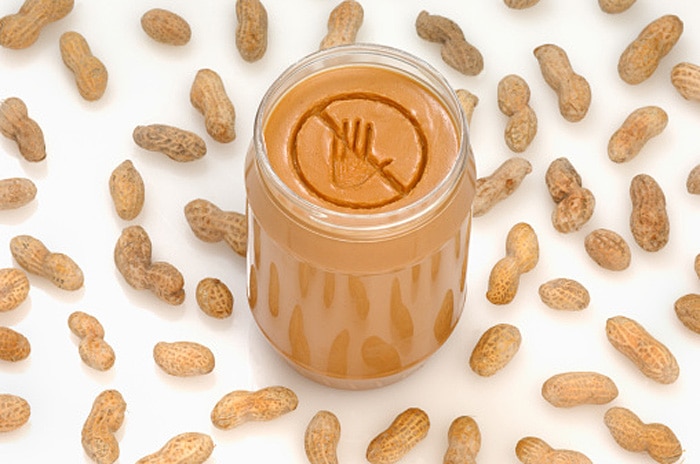
Because food allergies can lead to increased inflammation, it is no surprise that eliminating foods that may be allergenic can have a positive effect on managing RA. Although the research has shown some promise in this area, exclusion diets (diets that do not include foods thought to be allergenic) may be of benefit to only a small number of patients. Some of the most likely offenders are milk and cheese, rice, potatoes, and wheat.
There is still much to be discovered to determine the optimal diet for rheumatoid arthritis. However, there are some clear ideas as to what can be done with diet to help reduce inflammation, which is the primary side effect. Taking 3-4 grams of omega-3 fats every day (a combination of EPA and DHA), reducing your intake of meats and processed foods, and increasing your intake of fruits, vegetables, nuts, and tea will help you get on your way to better symptom management and overall health!
Alumni: Colorado State University – Elizabeth Daeninck is a Registered Dietitian with a master’s degree in Exercise Physiology and Nutrition. She has taught classes at the college level and facilitated weight loss group meetings, presented a variety of nutrition seminars and is a published author and researcher in the field of nutrition.
allergy, anti-inflammatory, antioxidant, arthritis, omega-3, omega-6

Like our content? Download our free shopping guide and the first chapter of the GoUndiet Book Now!


HealthCastle Nutrition Inc. · © Copyright 1997-2026 · All rights reserved