
Written By: Christina Newberry
Reviewed By: Gloria Tsang, RD
Title: Registered Dietitian
Last Updated on:

Calcium is an important part of a healthy diet. Not only does it help create and maintain strong teeth and bones, it also has a role in muscle contraction, blood clotting, and nerve function, and helps prevent osteoporosis and hypertension. Most of us get the majority of our calcium from milk and other dairy sources, like yogurt and cheese. For those who choose not to consume dairy products, what are the options for maintaining an appropriate intake of calcium?
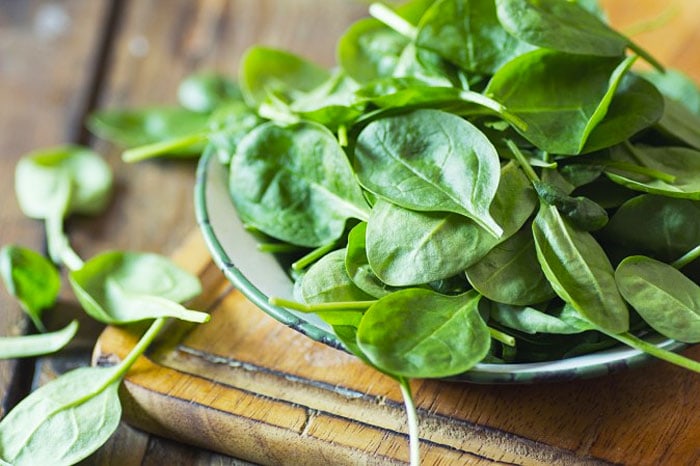
Table of Contents
From ages 19 to 50, both men and women should get 1,000 mg of calcium per day. After age 50, we all need 1,200 mg per day. For reference, one cup of non-fat milk contains about 300 mg of calcium.
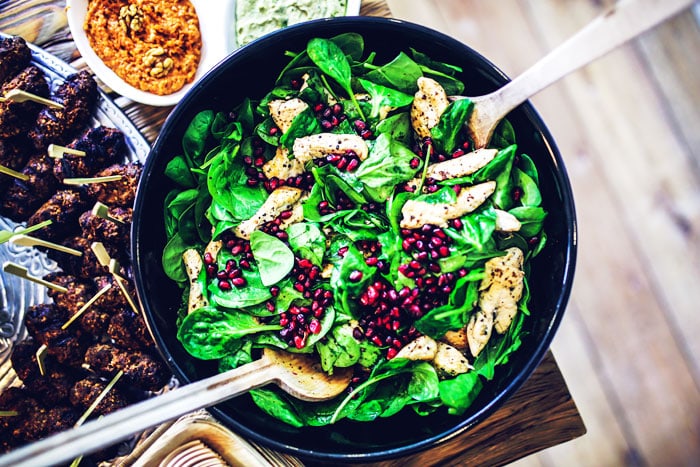
 At about 180-240 mg calcium per cup, these vegetables provide a solid calcium foundation for a dairy-free day. Try using any of of these vegetables in a stir-fry or salad, or mixing them together for an extra calcium kick.
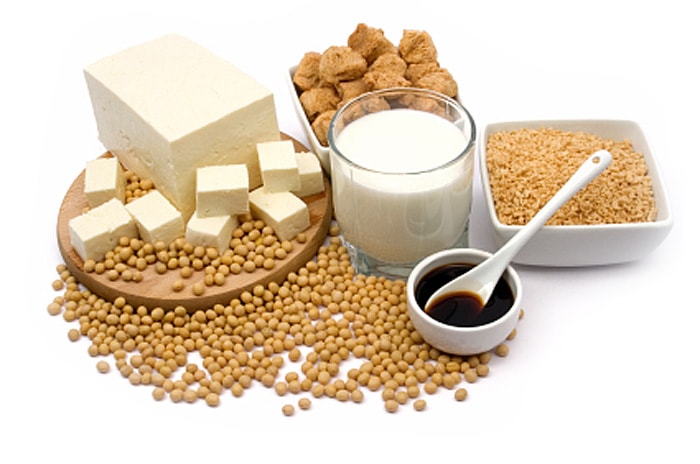
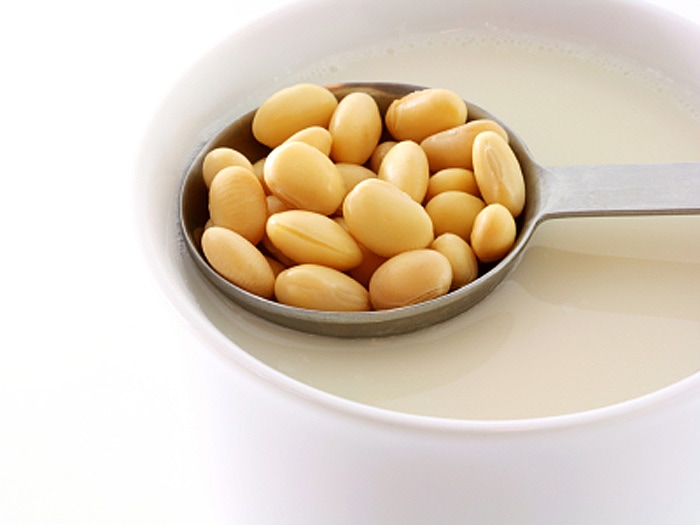
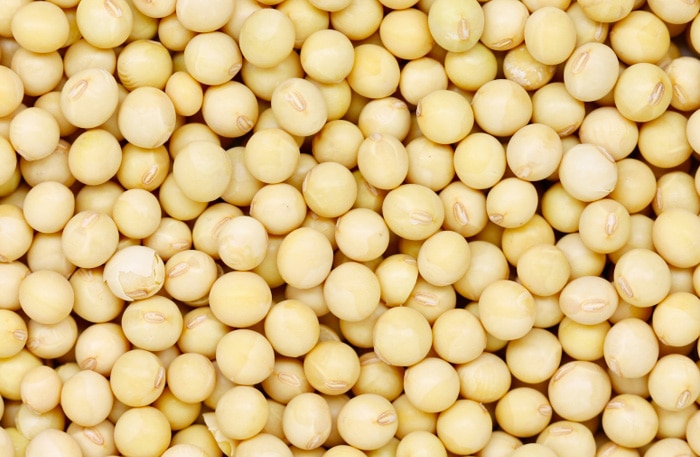
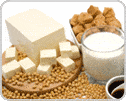 Soybeans are naturally a good source of calcium, but check for soy milk that’s fortified with calcium and tofu that’s processed with calcium sulfate if you’re consuming these products to meet your calcium needs. Tofu works especially well in Asian cooking, while soybeans can be used in place of peas in many dishes. Use soy milk as you would use cow’s milk – you may drink it as is, or add to breakfast cereal.
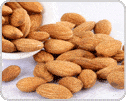 Almonds offer 75 mg of calcium per ounce, while sesame seeds offer a whopping 280 mg per ounce (though since they’re so light, you’d need to eat a lot to consume a full ounce). Sprinkle nuts or seeds on top of a salad, or simply munch some almonds as a calcium-rich mid-afternoon snack.
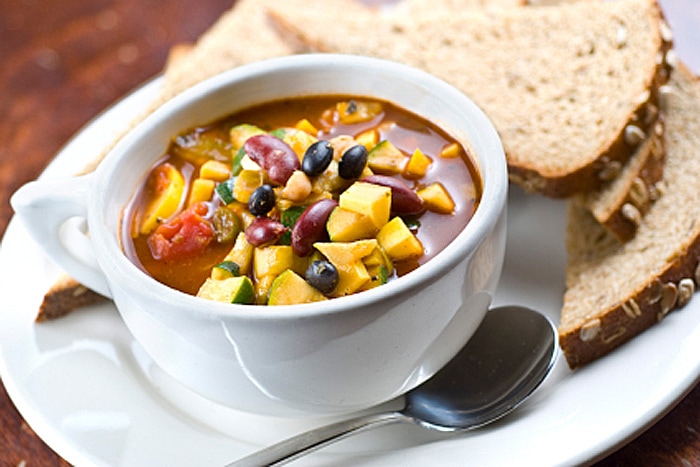
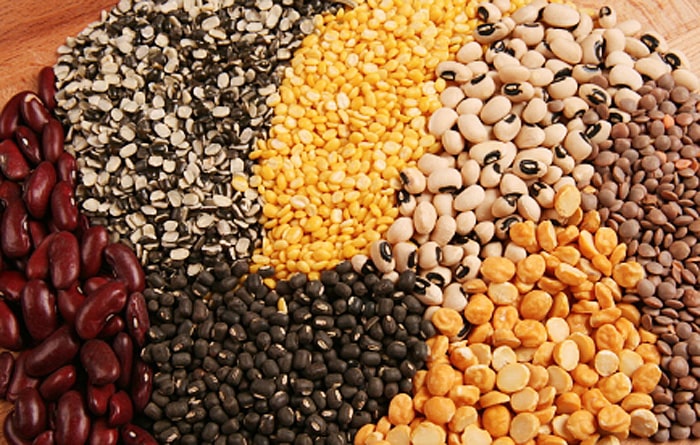
 Ranging from about 38 mg up to well over 100 mg per cup, lentils and different types of beans can add a hearty dose of calcium to chilies, stews, and Indian dishes like curries and dahl.
If you’re looking for non-dairy calcium options, but you’re not vegan, you can also get a healthy dose of calcium from canned fish with the bones in.
If you’re not consuming dairy products, you need to find alternate sources of calcium. The good news is that by adding a few servings of the above non-dairy calcium foods to your daily meal plan, you may be able to get enough calcium to keep your teeth and bones healthy, and get all the other benefits that calcium provides. Also speak to your doctor to find out if you need calcium supplements.
Alumni: University of Victoria – Christina Newberry is a writer and editor whose work has appeared in national and local magazines and newspapers. With a Bachelor’s degree in English and Anthropology from the University of Victoria and a Journalism Certificate from Langara College, Christina brings keen curiosity and the love of a good story to her work with HealthCastle.com.
Christina is a passionate traveler and urban gardener with an interest in vegetarian eating and making good, tasty food from scratch. Sharing lessons learned from her own experiences, Christina writes about lifestyle topics for HealthCastle, with a focus on eating well at home and on the road.
almonds, arugula, beans, broccoli, calcium, chili, lentils, soy, spinach, vegan, vegetarian
Like our content? Download our free shopping guide and the first chapter of the GoUndiet Book Now!

HealthCastle Nutrition Inc. · © Copyright 1997-2026 · All rights reserved