
Written By: Gloria Tsang, RD
Title: Founding Dietitian
Alumni: University of British Columbia
Last Updated on:

Is eating healthier one of your New Year’s resolutions? Following a fad diet, or being overly restrictive, will not help you or your family achieve your health goals. Healthy eating does not mean boring, tasteless foods.
Try these simple yet sensible steps that will help you adopt a healthier diet, without feeling deprived.
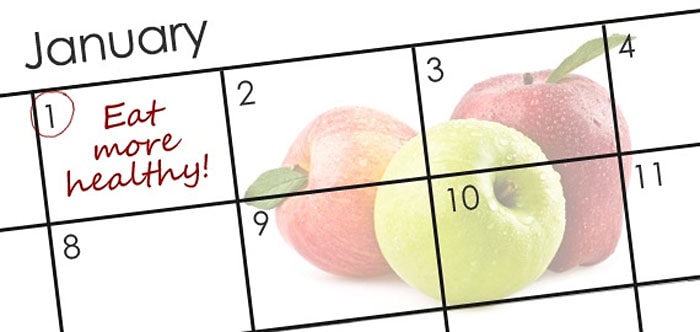
Table of Contents
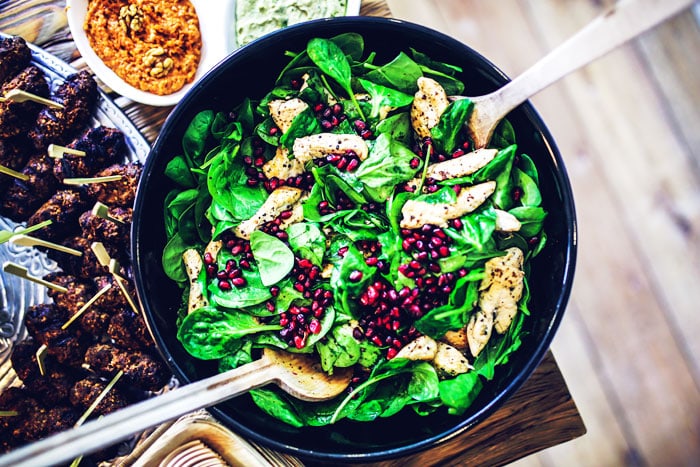
There are many more vegetables to try than just lettuce and tomatoes! Bright-colored and dark green leafy vegetables are especially loaded with vitamins and antioxidants. They are also high in fiber, which makes them very filling. In addition, they are low in calories – good to help trim waistline. When you fill up your stomach with veggies, they will be less likely to feel the urge to binge on other high-fat or processed foods.
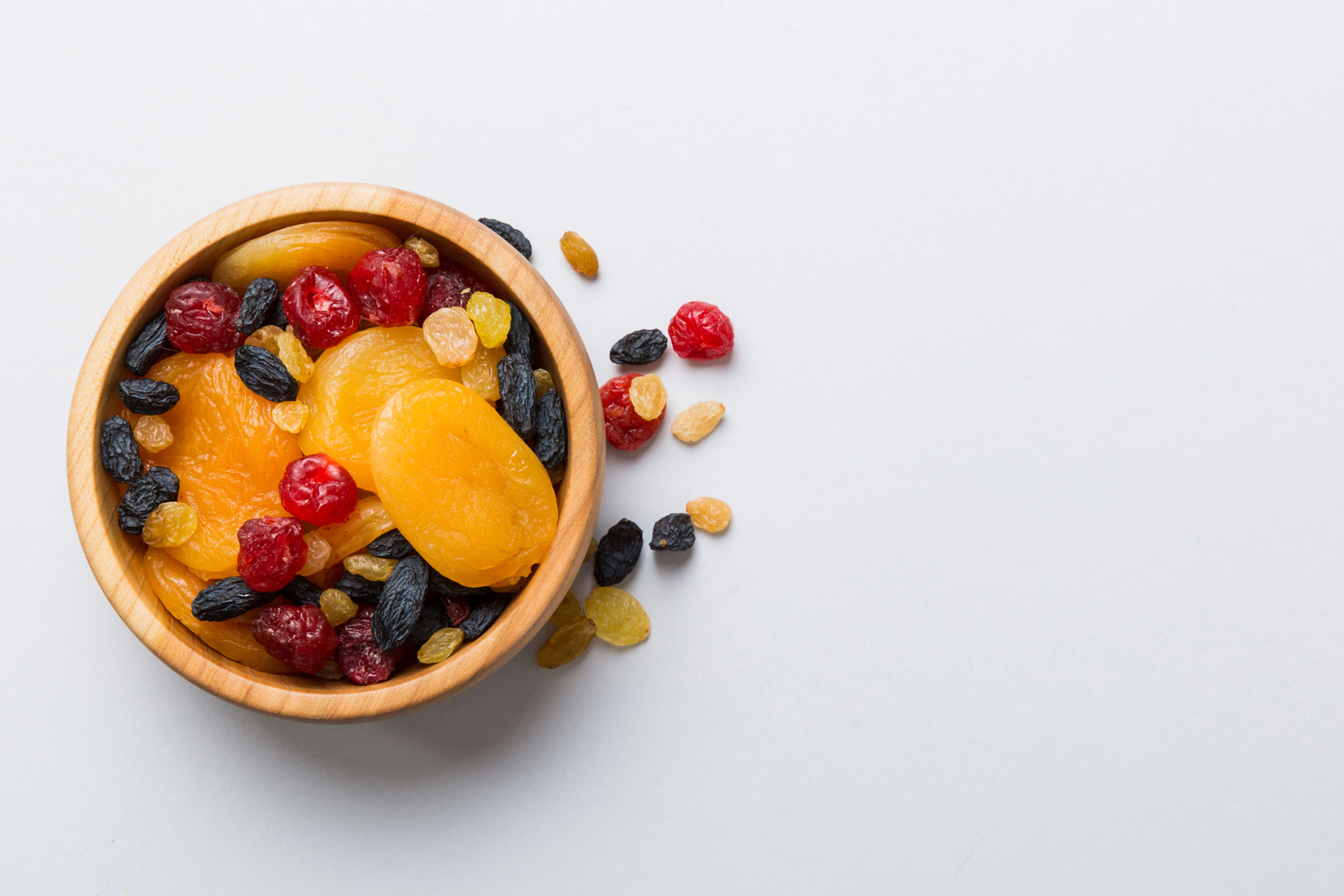
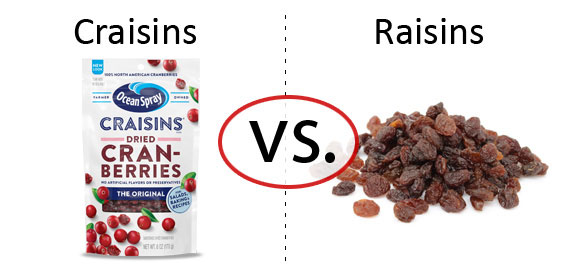
When feel like snacking, grab a fruit instead of chips or cookies. Like vegetables, fruits are high in antioxidants and fiber and low in calories. To make it fun, use yogurt or hummus as a dip. This way your’ll get some calcium as well as protein – which helps feel full longer. And don’t forget about dried fruits. Mixing them with whole-wheat breakfast cereal and nuts makes a nutritious school snack.
Instead of always packing sodium-loaded processed ham sandwiches, try using leftover high-quality protein from the night before. How does a grilled fish burger, teriyaki chicken breast sandwich sound to you? These protein alternatives are usually nitrate-free and more heart health friendly.
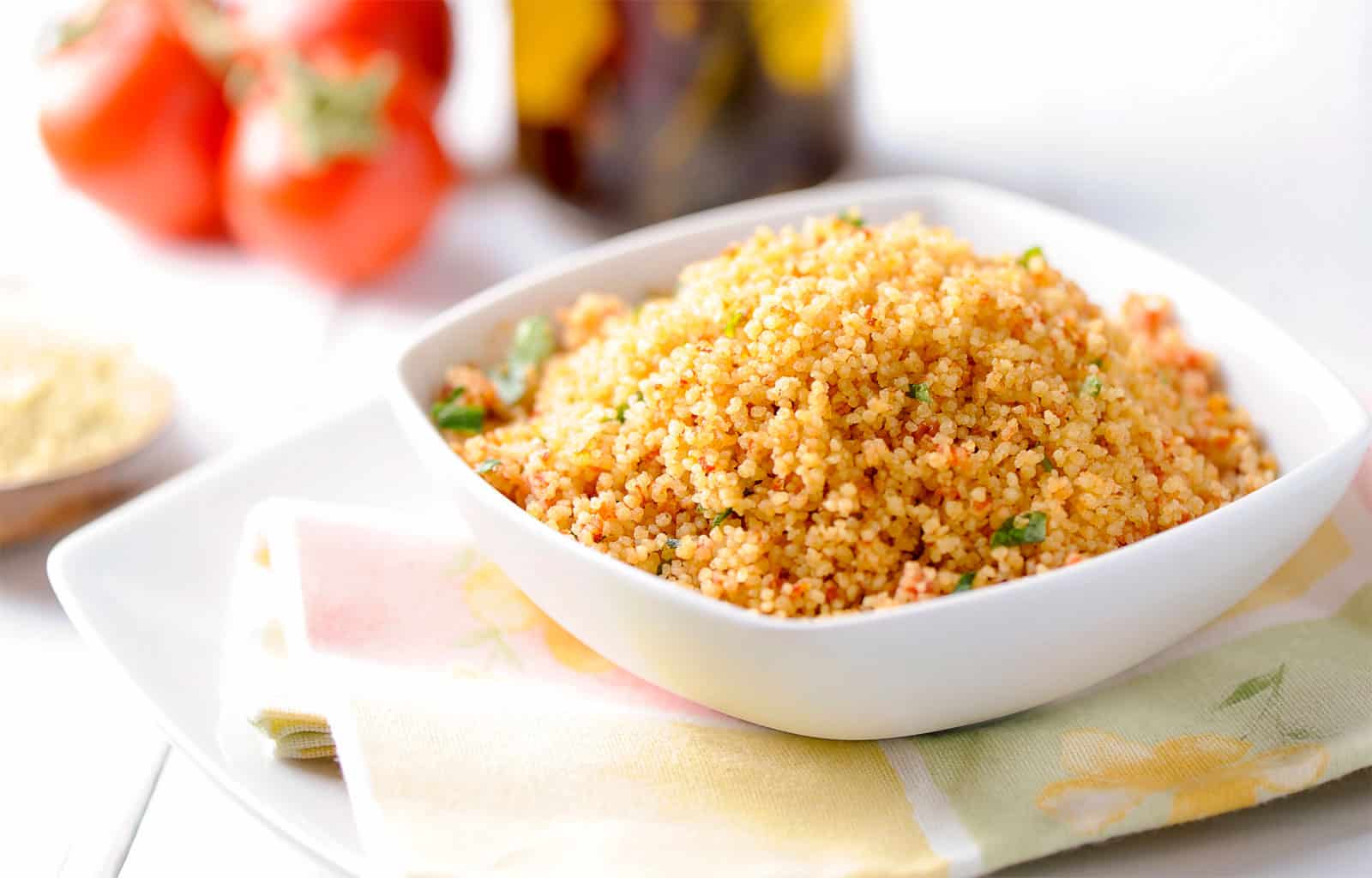
Whole grains got their well-deserved attention since 2005 when the 2005 Dietary Guidelines for Americans publicly recommend eating at least 3 servings of whole grains every day. Not only are they high in fiber, whole grains also contain an array of antioxidants not found in fruits and vegetables. The easiest way to increase whole grain intake is to replace some of your refined-grain products. For instance, use whole-grain bread instead of white bread when making lunch sandwiches. Substitute half the white flour with whole wheat flour in your regular recipes for cookies, muffins, and pancakes. Toss brown rice, wild rice, or barley in your vegetable soup. Or snack on popcorn instead of chips on family movie nights. (Yes, popcorn is a whole grain!) Don’t forget, you don’t need to completely wipe out all refined grains. You can always try serving half whole wheat/half refined as a starting point. In United States, check out Oldways for resources on the benefits of a plant-based diet with lots of legumes and whole grains. In Canada, check out the new non-profit organization, Healthy Grains Institute, for their consumer resources on the health benefits of whole grains.
In my book, Go UnDiet: 50 Small Actions for Lasting Weight Loss, I called out highly processed foods (HPFs) as the true culprit for obesity, not carb, gluten, or meat! Frozen fish sticks have almost 12 times more fat than natural fish fillet; chicken nuggets have 4 times more fat than chicken tenders! You can easily chow down a bag of chips or a chocolate candy bar with 300 calories; 300 calories is what’s in a lunch size 6-inch sub sandwich! So, stay clear from HPFs and start eating wholesome, natural foods instead.
Alumni: University of British Columbia – Gloria Tsang is the author of 6 books and the founder of HealthCastle.com, the largest online nutrition network run by dietitians. Her work has appeared in major national publications, and she is a regularly featured nutrition expert for media outlets across the country. The Huffington Post named her one of its Top 20 Nutrition Experts on Twitter. Gloria’s articles have appeared on various media such as Reuters, NBC & ABC affiliates, The Chicago Sun-Times, Reader’s Digest Canada, iVillage and USA Today.
antioxidant, fruits, healthy snacks, hpf, lose that weight, seasonal, vegetables, whole grains

Like our content? Download our free shopping guide and the first chapter of the GoUndiet Book Now!


HealthCastle Nutrition Inc. · © Copyright 1997-2026 · All rights reserved