
Written By: Christina Newberry
Reviewed By: Gloria Tsang, RD
Title: Registered Dietitian
Last Updated on:

You probably know that before filling a prescription, you should make sure your doctor and pharmacist know about all the other medications you’re taking to avoid potential interactions that can change how your medications work. But did you know that it’s equally important to consider the potential interactions between your medications and herbal supplements?
Table of Contents
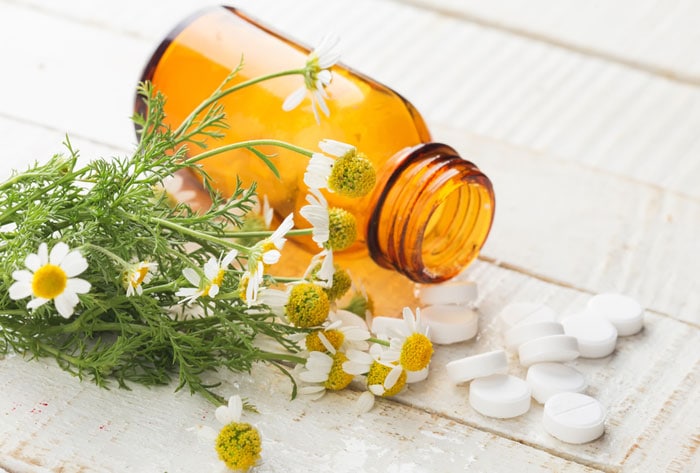
Herbal supplements are hugely popular and readily available. If you toss bottles of herbal supplements in your basket while shopping at a health food store, you might think of them as being more like food products than medications. But the truth is that herbal supplements have potent effects that can interfere with both prescription and non-prescription medications.
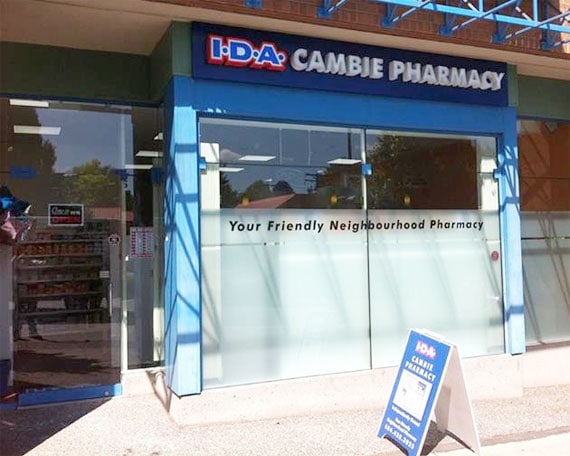
According to IDA Cambie pharmacy manager Edwin Kwong, R.Ph, that potential interaction should not be taken lightly. “As well as a graying population that may be on multiple medication treatment for various common ailments such as hypertension, heart disease, and diabetes, we can expect that herbal–drug interactions could be a real concern from a safety and therapeutic point of view,” Kwong said.
Herbal supplements may decrease a drug’s effectiveness or, conversely, amplify the effects to a dangerous level. Kwong warns patients to be especially careful about taking herbal and drug products that serve the same purpose. Herbal supplements can also increase your risk of experiencing drug side effects. That’s why it’s always important to tell your doctor and your pharmacist about any herbal supplements you’re taking, especially before filling a new prescription.
Likewise, it’s important to ask a health professional about potential interactions with your existing medications before buying a new herbal supplement. If your doctor is not interested in herbal supplementation or is not willing to address your questions about supplements, your pharmacist can be an important resource.
“As a frontline and easily accessible healthcare professional, pharmacists are in an ideal position to intervene and educate the public on the potential benefit and risk of these alternative and complementary medications,” Kwong said.
| Supplement | Use | May interact with… |
| Bilberry | May help improve eye health | Anti-coagulants; anti-platelet medicationsNote: Diabetics should use with caution because it may lower blood sugar |
| Black Cohosh | Menopause symptom relief | Acetaminophen (Tylenol); antibiotics and antidepressants; cisplatin (a cancer drug); heart medications; |
| Cranberry | Urinary tract infections | Anti-coagulants; anti-platelet medicationsNote: Diabetics should be careful if using cranberry juice because many cranberry juices on the market contain high amounts of sugar. |
| Dong Quai | Menopause symptom relief | Antibiotics; anti-coagulants; St John’s wort |
| Echinacea | Immunity booster | Allergy and asthma medications; anti-anxiety medications; antibiotics; antifungal medications; diabetes medications; heart medications; HIV medications |
| Feverfew | Migraine relief | Anti-coagulants; migraine medications |
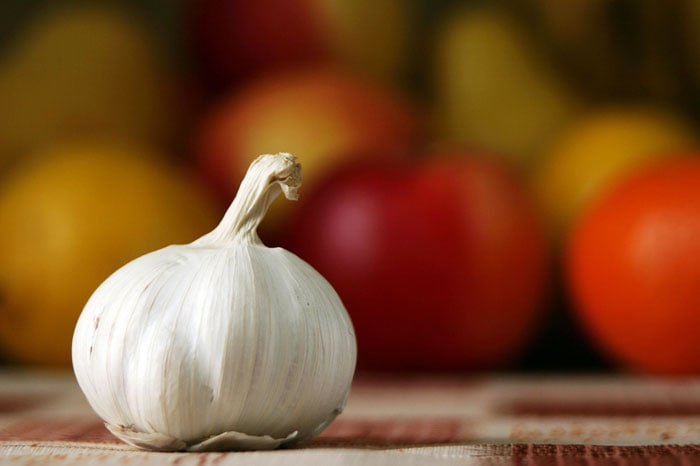
| Garlic | May help lower cholesterol and prevent blood clots | Anti-coagulants; anti-hypertensives; anti-platelet medications; diabetes medications; HIV medications; oral contraceptives (“the pill”) |
| Gingko Biloba | May help improve circulation and memory | Anti-coagulants; anti-platelet medications; monoamine oxidase inhibitors (MAOIs)Note: Lowers seizure threshold. |
| Ginseng | May help reduce stress, boost energy, improve stamina, and lower cholesterol | Antidepressants; heart and high blood pressure medicationsNote: Ginseng can increase blood pressure. Overuse can lead to headaches, insomnia, and heart palpitations. Diabetics should use with caution because it may increase blood sugar. |
| Green Tea | Weight loss | Acetaminophen (Tylenol); diabetes medications; heart medications |
| Hawthorn | May help lower blood pressure and cholesterol | Digoxin |
| Kava | May help address insomnia and anxiety | Alcohol; antidepressants; sedativesNote: Do not take kava if you have a history of liver problems. |
| Licorice | May help to treat coughs, colds, and peptic ulcers | Diuretics; digoxinNote: High doses of licorice can lead to increased blood pressure, water retention, and potassium loss. |
| Milk Thistle | May help with liver, kidney, and gall bladder issues | Allergy medications; antifungals; estrogen and oral contraceptives (“the pill”); heart medications; sedatives |
| Saw Palmetto | May help with urinary and prostate issues | Blood thinners; estrogen and oral contraceptives (“the pill”); Propecia |
| St. John’s Wort | May help to treat mild to moderate depression | Allergy and asthma medications; antidepressants; erectile dysfunction drugs; heart/blood-thinning medications; HIV medications; narcotic medications; oral contraceptives (“the pill”); Tamoxifen (a cancer drug) |
| Valerian | A mild sedative | Alcohol, sedatives |
Keep in mind this list does not include all the potential drug–herb interactions, as there’s no way we could list them all in one article. Do not assume that supplements or drugs not listed here are safe to combine.
Herbal supplements can have powerful effects – both positive and negative – and mixing them with drugs can be risky. Remember: Talk to your doctor or pharmacists for the best, most current and personalized advice.
Sources: Consumer Reports, IDA Cambie Pharmacy, Mayo Clinic
Alumni: University of Victoria – Christina Newberry is a writer and editor whose work has appeared in national and local magazines and newspapers. With a Bachelor’s degree in English and Anthropology from the University of Victoria and a Journalism Certificate from Langara College, Christina brings keen curiosity and the love of a good story to her work with HealthCastle.com.
Christina is a passionate traveler and urban gardener with an interest in vegetarian eating and making good, tasty food from scratch. Sharing lessons learned from her own experiences, Christina writes about lifestyle topics for HealthCastle, with a focus on eating well at home and on the road.
drugs, herbs, medication, supplements
Like our content? Download our free shopping guide and the first chapter of the GoUndiet Book Now!

HealthCastle Nutrition Inc. · © Copyright 1997-2026 · All rights reserved