
Written By: Sejal Dave, RD
Title: Registered Dietitian
Alumni: University of Florida
Last Updated on:

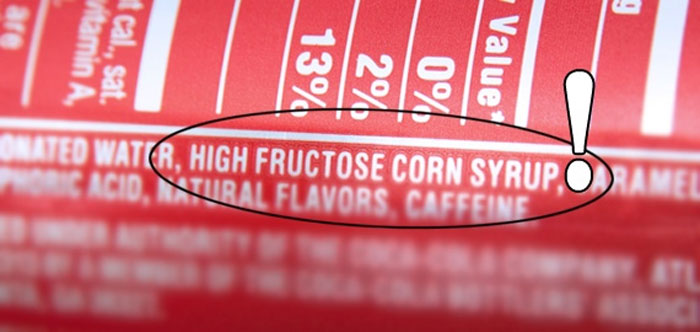
Perhaps due to all the negative publicity its been getting recently, the Corn Refiners Association has petitioned FDA to change the name of high fructose corn syrup to corn sugar. They argue that “sugar is sugar” and the purpose of the name change is to “clear up confusion” about the sweetener. Will consumers be more likely to purchase foods sweetened with corn sugar vs. high fructose corn syrup?
Table of Contents
High fructose corn syrup, as it’s name implies, is derived from corn, with 55% fructose. In recent years, high fructose corn syrup has come under a lot of scrutiny. Critics have linked it to a myriad of health problems, including obesity and hypertension, leading to an increasingly negative image for the sweetener.
The consumer demand for organic, natural, and basically less processed foods is evident everywhere. From supermarkets to restaurants, people are taking more interest in what’s in their foods and how it affects their health. The soft drink industry appears to have responded by shifting toward bringing back “original” products. For example, PepsiCo introduced Pepsi-Throwback, a soft drink that is sweetened with sugar instead of high fructose corn syrup and packaged in retro designs. This interest in going back to what was healthy or what appeared healthy is a trend that can certainly impact how high fructose corn syrup is viewed by consumers. Is high fructose corn syrup being phased out of the food service industry? Is this a possible solution to combating obesity, hypertension, etc.? Is natural sugar better than high fructose corn syrup?
In general, studies have been inconsistent regarding the link between high fructose corn syrup and obesity or other health conditions. However, recently, at the American Society of Nephrology’s 42nd annual meeting, a study was presented that showed a connection between high fructose corn syrup and high blood pressure, a.k.a. hypertension. In this particular study, researchers asked subjects (who had no previous history of hypertension) to answer questionnaires about their intake of soft drinks, bakery products, fruit juices, and candy. The results showed that those subjects who consumed around 74 grams/day of fructose had higher than normal blood pressure levels.
It appears that a large intake of high fructose corn syrup (or corn sugar) can lead to health problems. But this is the case for most nutrients, i.e., protein, fat, glucose, etc., if eaten in excess amounts. Overall, it is important to have a moderate amount of sweeteners in your diet, whether the source is “natural” or “processed.” The corn industry may feel that it’s more favorable to their image to change high fructose corn syrup’s name to corn sugar, but in the end the product is the same. So remember that moderation is still the answer.
Alumni: University of Florida – Sejal is a registered dietitian, a certified diabetes educator and she holds a masters degree in nutrition and health. Sejal was the project coordinator for the Veteran’s Administrations (VA) national weight loss program and previously worked for the VA hospital in Tampa, FL as a Spinal Cord Injury dietitian.
Sejal has had numerous clinical and community education experiences, including pediatric and intensive care nutrition support. She has also had the opportunity to teach nutrition courses at the community college level to students interested in pursuing health professions. One of her favorite areas of education is diabetes management.
hfcs, high blood pressure, high fructose corn syrup, hypertension, pop, sugar

Like our content? Download our free shopping guide and the first chapter of the GoUndiet Book Now!


HealthCastle Nutrition Inc. · © Copyright 1997-2026 · All rights reserved