
Written By: Gloria Tsang, RD
Title: Founding Dietitian
Alumni: University of British Columbia
Published on:

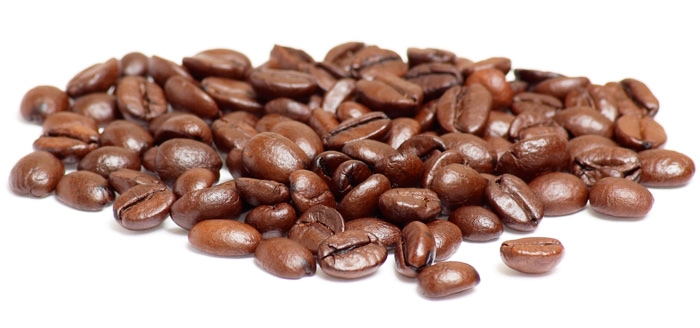
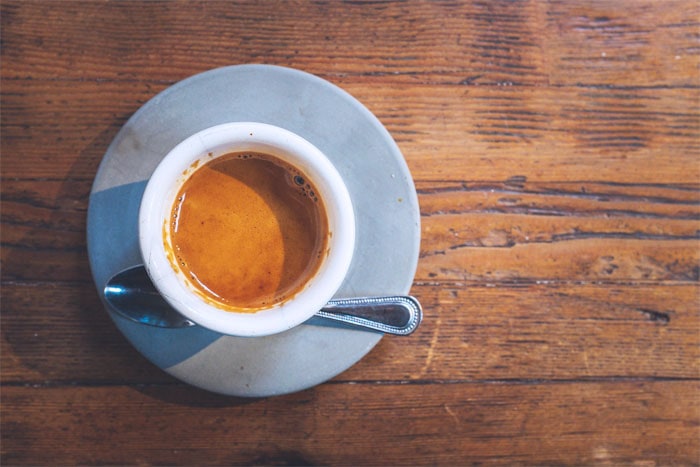
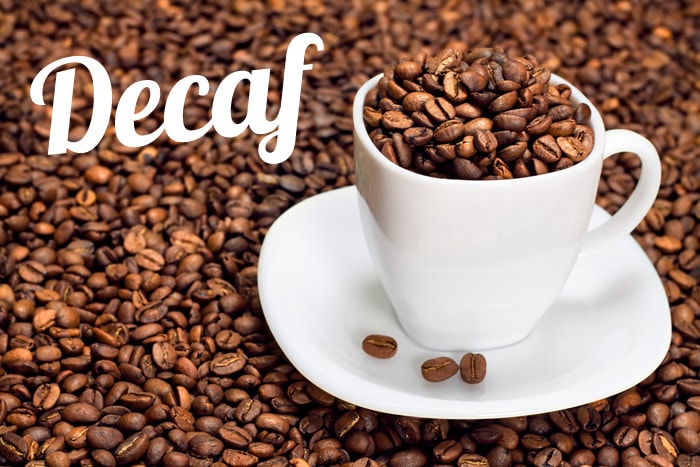
Most people reach for coffee first thing in the morning, chasing the caffeine hit that wakes up the mind. But a recent study1 suggests we shouldn’t dismiss the decaffeinated cup. Researchers in Ireland tracked what happens in the gut and brain when adults drink coffee regularly, stop completely, and start again. For anyone who views decaf as a poor substitute, the cognitive results deserve a second look.
Table of Contents
The trial followed 62 healthy adults aged 30 to 50: half were regular coffee drinkers and half were non-drinkers. After assessing their baseline health, gut microbes, and cognitive performance, the coffee drinkers went through a two-week coffee break. They then resumed drinking instant coffee for three weeks: half receiving regular caffeinated coffee and half receiving decaf in a blind trial. Researchers regularly tested their blood, stool, saliva, and memory skills.
While the study focused primarily on gut bacteria, the most striking discoveries appeared in mood and memory tests.
Both caffeinated and decaffeinated coffee positively altered gut bacteria, but they produced different benefits:
The trial was modest in size and used instant coffee. Larger, longer-term studies are needed to confirm these effects.
The finding that decaf boosts memory is significant. It indicates that coffee’s potential brain benefits may stem from rich antioxidants rather than caffeine itself.
This is great news for people who avoid caffeine due to high blood pressure, anxiety, pregnancy, or sleep issues. Decaf allows them to enjoy coffee’s health perks without the jitters or sleepless nights.
When coffee antioxidants reach the lower gut, microbes ferment them into active compounds that may communicate directly with the brain,2 a process that happens with or without caffeine.
If you like the taste of coffee but have been avoiding it due to caffeine downside, enjoying a cup of decaf may now be a healthy alternative.
HealthCastle has strict sourcing guidelines. We reference peer-reviewed studies, scientific journals and associations. We only use quality, credible sources to ensure content accuracy and integrity.
Alumni: University of British Columbia – Gloria Tsang is the author of 6 books and the founder of HealthCastle.com, the largest online nutrition network run by dietitians. Her work has appeared in major national publications, and she is a regularly featured nutrition expert for media outlets across the country. The Huffington Post named her one of its Top 20 Nutrition Experts on Twitter. Gloria’s articles have appeared on various media such as Reuters, NBC & ABC affiliates, The Chicago Sun-Times, Reader’s Digest Canada, iVillage and USA Today.
antioxidants, coffee, gut microbiome
Beat the Winter Hunger Spike: Understanding Seasonal Changes and Nourishing Your Body

Like our content? Download our free shopping guide and the first chapter of the GoUndiet Book Now!


HealthCastle Nutrition Inc. · © Copyright 1997-2026 · All rights reserved