
Written By: Sofia Layarda, MPH
Title: Master of Public Health
Alumni: University of California, Berkeley
Last Updated on:

Table of Contents
In the never-ending quest for the next groundbreaking superfood, it is easy to overlook the potential that lies within an egg. Past media attention to eggs has not always been positive, especially regarding their cholesterol content. But eggs, specifically the yolks, are a good source of choline, a nutrient that has been shown to be very important for mental health. How so? Choline plays both a structural and a functional role in the brain. Specifically, it is a component of many fatty molecules in the body, including the myelin sheath surrounding the nerve fibers in the brain. It is also part of a molecule called acetylcholine, a neurotransmitter (messenger molecule) that’s mainly involved in message transfers between nerves and muscles. It is important for brain development in the growing fetus.

Choline content aside, eggs are also a cheap source of good-quality protein. As we know, including some protein in your meals helps stabilize your blood sugar levels, which in turn helps prevent you from crashing too soon when your blood sugar drops.
Because of its role in brain development, choline is one of the nutrients found as an additive in some cereals marketed to kids (such as Kashi’s Mighty Bites). But there is much more choline in one egg than you would get from a serving of cereal. One large hard-boiled egg contains 113 mg of choline, 20% of the DRI for adult males (or 25% of the DRI for adult females) for this nutrient.
Most studies show that healthy adults can enjoy one egg daily without increasing their risk for heart disease. However, if you are taking cholesterol medication or have been diagnosed with higher than normal LDL (bad) cholesterol, the American Heart Association’s recommendation is to limit your daily cholesterol intake to less than 200 mg. One egg contains slightly more than 200 mg of dietary cholesterol (all in the yolk).
Many of us associate eggs with breakfast, but there is no reason they can’t be part of your lunch or dinner choices. Besides serving eggs as they are, here are some of our favorite ways to enjoy them outside of breakfast:

Fish and fish oils are sources of various omega-3 fatty acids, which play crucial roles in maintaining the health of the cardiovascular and nervous systems. While there are some plant sources of omega-3 fatty acids (such as flax), it is the omega-3 fatty acids derived from fish that play an integral part in the functioning of the nervous system. Specifically, DHA (docosahexaenoic acid) has been identified as an important fatty acid for the normal functioning of the nervous system (which affects memory, learning, cognitive performance, etc.). Structurally, the brain is more than 60% fat, with DHA being the most abundant type of fatty acid found. In a 2006 review in the American Journal of Clinical Nutrition, based on the data from the Framingham Heart Study, researchers at Tufts University indicated that consuming 2.7 servings of fish per week was associated with a 50% reduction in dementia risk.
The beauty of eating fish is that it is also a source of protein, which will help stabilize blood sugar levels and help prevent you from “crashing” when your blood sugar dips too low. If that’s not enough to get you going, many fish are also excellent sources of other nutrients. For example, halibut is a great source of selenium, a crucial element in detoxifying enzymes in the body. Salmon, another popular fish, delivers Vitamin D in addition to the omega 3s. Some studies have shown that omega-3 fatty acids such as EPA and DHA are better absorbed by the body when they are consumed by eating fish rather than taking a fish oil supplement. So, rather than rushing out to buy a pill, get some fish recipes to try and get busy in the kitchen!
The benefits of consuming fish outweigh any negative attention it has received with regards to safety or sustainability. If you have concerns about contamination or sustainability of your fish choices, there are alternatives that are both safe and ocean-friendly.
Various types of fish contain different levels of DHA. See the table below, comparing the DHA levels in a 3 oz serving of each fish:
*indicates an “Eco-Best” (Green) according to the Environmental Defense Fund
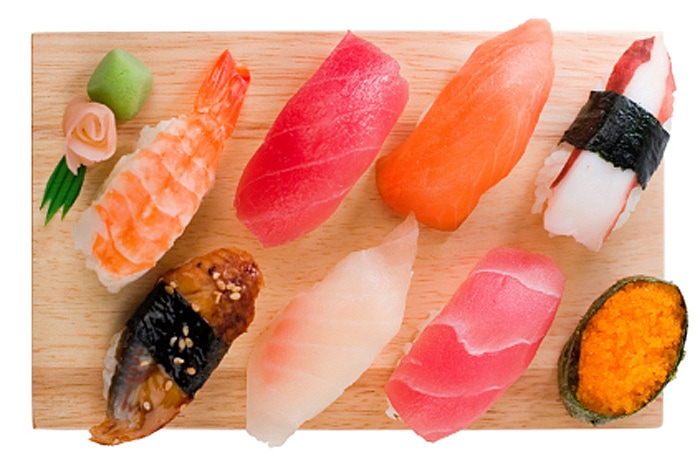
Get two to three servings of fish per week. If you are already a fish or sushi lover, you may be eating enough. But if you are not, start by adding one serving a week and work your way up to two. Choose baked or broiled fish instead of deep-fried fish. Fried, battered fish (particularly the commercially prepared kind) is often made with pollock or cod, two fish that do not have a high DHA load, and there is some concern that frying actually damages the omega-3 fatty acids so that they are no longer in a beneficial form. And of course, who knows what kind of trans fats may be lurking in the batter!
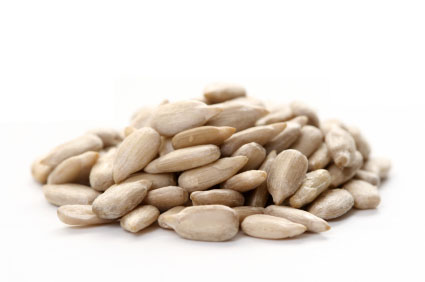
Lovers of sunflower seeds, rejoice! These seeds are extremely high in Vitamin E, the main fat-soluble antioxidant. How does Vitamin E help protect the brain? It essentially neutralizes the impact of free radicals that may be traveling through the body, thereby sparing fatty structures such as the brain from the damaging effects of oxidation. There is some evidence that Vitamin E from foods – though not that from supplements – offers some protection against Alzheimer’s Disease. Just a quarter of a cup of sunflower seeds provides 90.5% of the Daily Value of this vitamin.
Sunflower seeds are also a good source of magnesium, which has been shown to be an important nutrient in the prevention of migraine headaches. While the exact mechanism of a migraine attack is still being studied, there is some evidence that magnesium levels in the blood affect several brain receptors and neurotransmitters that are involved in migraines. As a nutrient, magnesium counteracts the actions of calcium. When there is too little magnesium, calcium can rush into nerve cells and overexcite them, which leads to excessive contractions. When magnesium is available, it helps the nerve cells stay relaxed. A quarter of a cup of sunflower seeds contains approximately 1/3 of the Daily Value of magnesium.
Lovers of sunflower seeds, rejoice! These seeds are extremely high in Vitamin E, the main fat-soluble antioxidant. How does Vitamin E help protect the brain? It essentially neutralizes the impact of free radicals that may be traveling through the body, thereby sparing fatty structures such as the brain from the damaging effects of oxidation. There is some evidence that Vitamin E from foods – though not that from supplements – offers some protection against Alzheimer’s Disease. Just a quarter of a cup of sunflower seeds provides 90.5% of the Daily Value of this vitamin.
Sunflower seeds are also a good source of magnesium, which has been shown to be an important nutrient in the prevention of migraine headaches. While the exact mechanism of a migraine attack is still being studied, there is some evidence that magnesium levels in the blood affect several brain receptors and neurotransmitters that are involved in migraines. As a nutrient, magnesium counteracts the actions of calcium. When there is too little magnesium, calcium can rush into nerve cells and overexcite them, which leads to excessive contractions. When magnesium is available, it helps the nerve cells stay relaxed. A quarter of a cup of sunflower seeds contains approximately 1/3 of the Daily Value of magnesium.
What we know as sunflower seeds are actually the fruits of the sunflower plant, which grows easily in most parts of the country. Sunflower seeds taste mildly nutty and have a firm yet tender texture. They are available un-shelled or shelled, and may be purchased pre-packaged or in bulk bins. Because the seeds are high in fat, they can easily go rancid. Once purchased, it’s best to store them in an airtight container in the refrigerator or freezer. In case you are watching your sodium intake, make sure you purchase unsalted ones instead of the salted variety.
Here are some of our favorite ways to enjoy sunflower seeds:
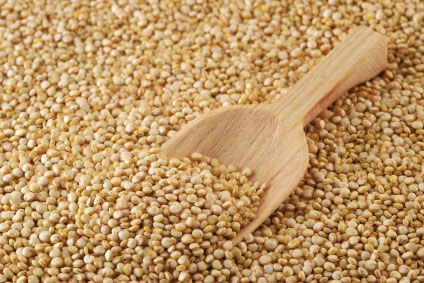
Although it’s often referred to as a grain, quinoa is actually more closely related to vegetables like spinach, beets, or Swiss chard than cereal crops like wheat or rice. It is native to South America, where it has been cultivated in the Andes since ancient times.
A wide range of nutrients are packed into these tiny seeds. Here are some of the ones that may affect mental performance:
Quinoa is becoming increasingly available in grocery stores, where you can buy it bulk or prepackaged. The tiny seeds should be washed and rinsed before cooking to remove the naturally-occuring saponins that coat the seeds and have a bitter taste. Some seeds may come pre-washed, but it’s a good idea to do a quick taste while rinsing to make sure you get the saponins off.
Many instructions call for a ratio of two parts water to one part quinoa for cooking, which yields a texture close to porridge. For a fluffier texture, Lorna Sass, the author of Whole Grains for Busy People, suggests cooking the seeds in a big pot of boiling water (as if you were cooking pasta) for 12 minutes, then draining it. Experiment with both to find your favorite way of preparing quinoa, keeping in mind that this grain expands to a few times its uncooked volume.
If you’re new to quinoa, here are some ways to incorporate it into your diet:
Alumni: University of California, Berkeley – Sofia believes in bringing back fun and pleasure into everyday eating. She loves cooking, and is constantly experimenting with ingredients, creating recipes and trying them out on family and friends. Her latest interest lies in finding realistic and practical ways of environmentally-friendly food/eating habits.
brain food, cholesterol, choline, eggs, fish, quinoa, sunflower seeds
Dining Out with Diabetes: Greek Restaurants (With Checklist)

Like our content? Download our free shopping guide and the first chapter of the GoUndiet Book Now!


HealthCastle Nutrition Inc. · © Copyright 1997-2026 · All rights reserved