
Written By: Gloria Tsang, RD
Title: Founding Dietitian
Alumni: University of British Columbia
Last Updated on:

Hot flashes seem to be a personal experience for women experiencing various symptoms in menopause. Many women we talked to tried various diet remedies and supplements but results are often inconsistent. Let’s look at some common diet solutions for menopause and hot flashes.

Table of Contents
Avoid the following food items in your diet. Most women found these foods make hot flashes worse.
Black cohosh is an herb used extensively in Europe for treating hot flashes. The American College of Obstetricians and Gynecologists supports short-term use of black cohosh – up to six months – for treating symptoms of menopause. But the exact effects of longer-term use aren’t known. Studies are underway to determine the effectiveness and long-term safety of taking black cohosh supplements.
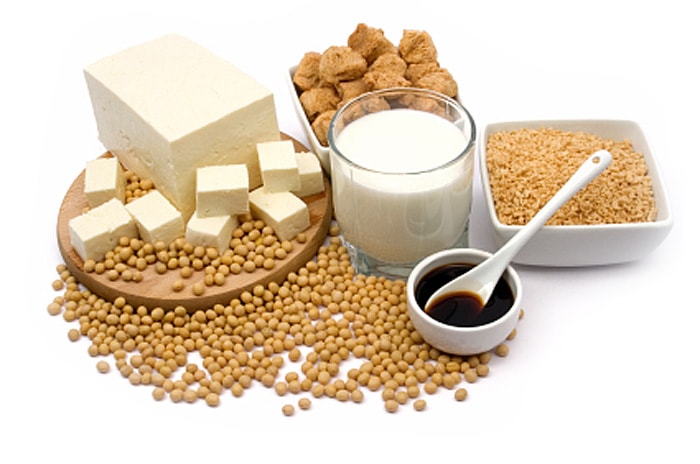
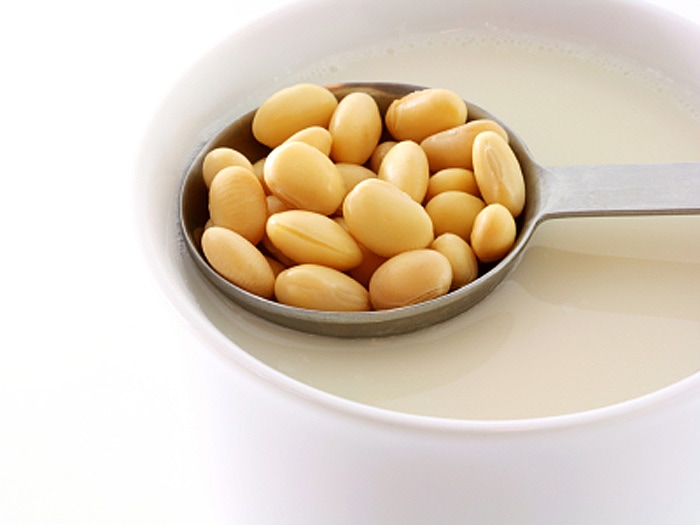
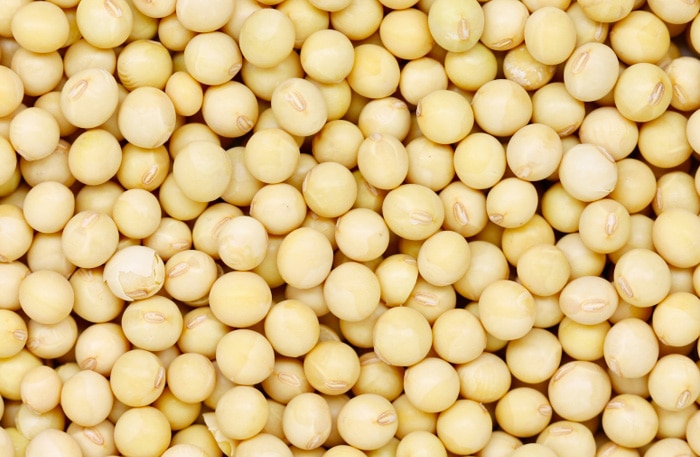
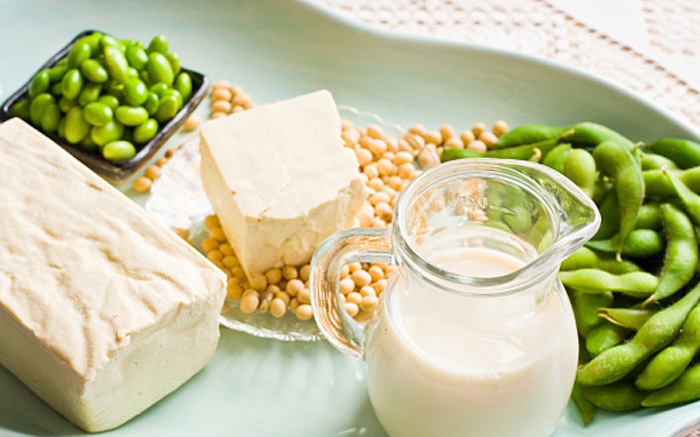
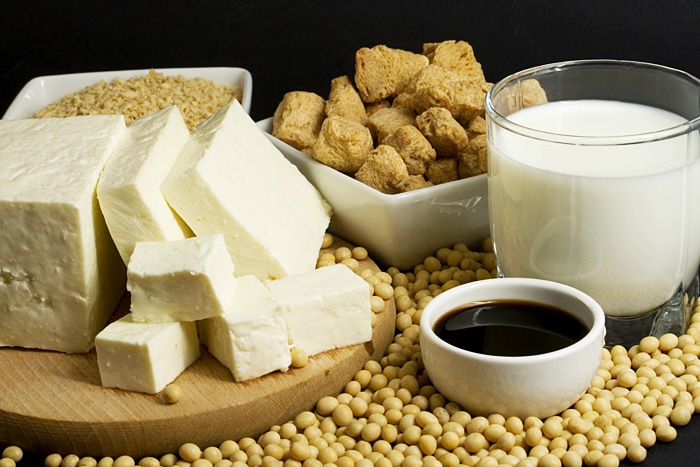
Soy contains phytoestrogens, an estrogen-like substances. In Japan, where soy foods are commonly consumed daily, women are only one-third as likely to report menopausal symptoms as in the United States or Canada. In fact, there is no word in the Japanese language for “hot flashes”. However, clinical trials have generally yielded unimpressive results. The safest approach is to incorporate whole soy products such as soy milk or tofu in you diet. Indeed, the North American Menopause Society in 2000 recommended that 40 – 80mg of isoflavones daily may help relieve menopausal symptoms.
Scientific evidence of these supplements for hot flashes is not strong. It’s best to discuss with your physician before taking these herbal supplements as they may interact with drugs you are taking.
Alumni: University of British Columbia – Gloria Tsang is the author of 6 books and the founder of HealthCastle.com, the largest online nutrition network run by dietitians. Her work has appeared in major national publications, and she is a regularly featured nutrition expert for media outlets across the country. The Huffington Post named her one of its Top 20 Nutrition Experts on Twitter. Gloria’s articles have appeared on various media such as Reuters, NBC & ABC affiliates, The Chicago Sun-Times, Reader’s Digest Canada, iVillage and USA Today.
black cohosh, hot flash, menopause, soy
Like our content? Download our free shopping guide and the first chapter of the GoUndiet Book Now!


HealthCastle Nutrition Inc. · © Copyright 1997-2026 · All rights reserved