
Written By: Gloria Tsang, RD
Title: Founding Dietitian
Alumni: University of British Columbia
Last Updated on:

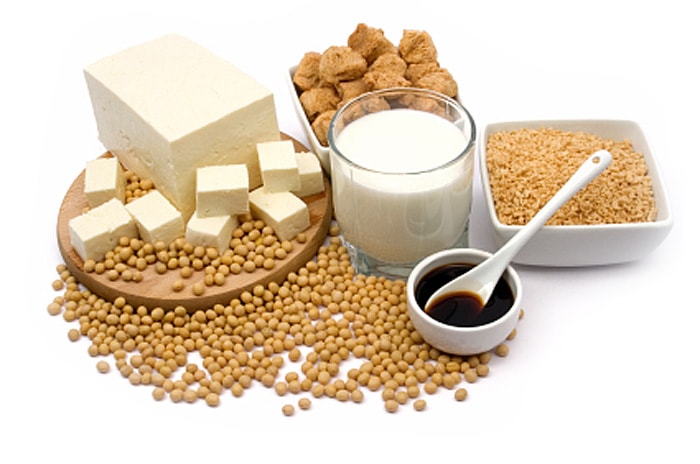
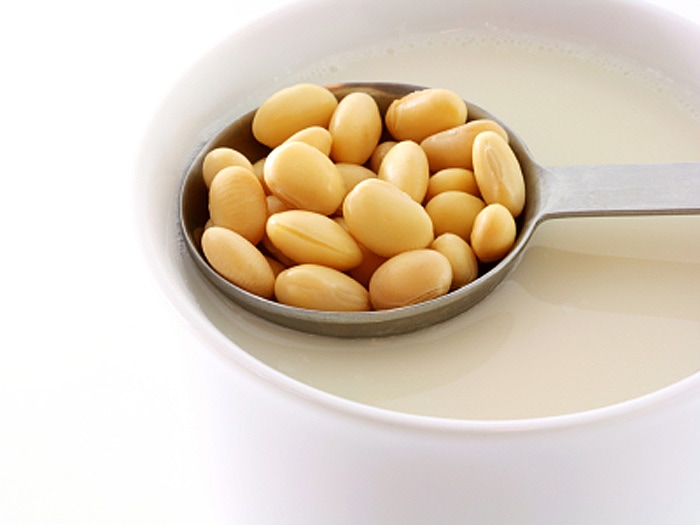
Among all the functional foods, soy products certainly capture consumers’ attention. Soy, to be more specific, plant chemicals called isoflavones genistein found in soy, has displayed cancer-fighting activity in lab tests involving cancers of the prostate, breast and colon. Some human studies demonstrated the same encouraging results, but some other clinical trials did not. Among all mentioned cancers, data on soy and prostate cancer seems to be the most promising; many studies support its role in the prevention and possible treatment of prostate cancer.
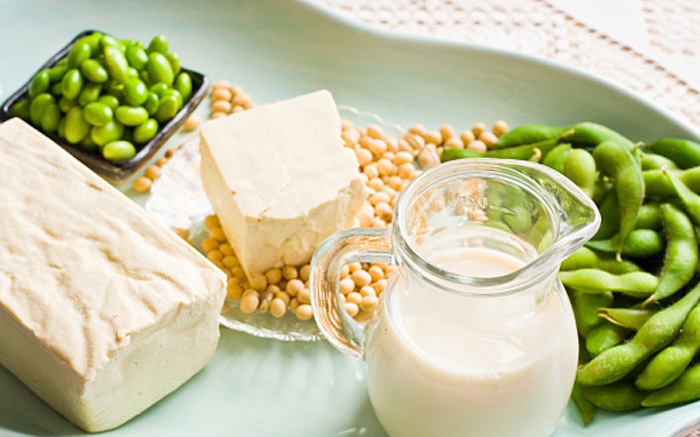
Table of Contents
While some studies showed soy offers a protective effect against breast cancer, a few studies showed the estrogen-like effects in isoflavones may be harmful for women with breast cancer. American Institute for Cancer Research stresses that data on soy and breast cancer are not conclusive, and more work is needed to be done before any dietary recommendations can be made.
What we know at this point is the phytoestrogens in soy foods are “anti-estrogens”. In other words, they may block estrogen from reaching the receptors – therefore potentially protecting women from developing breast cancer. Studies found that pre-menopausal may benefit from eating soy foods as their natural estrogen levels are high.
However, this may not be true to post-menopausal women. Studies found that soy could become “pro-estrogen” in women with low levels of natural estrogen. In other words, concentrated soy supplements may add estrogen to the body and hence increase breast cancer risk in post-menopausal women.
Most health professionals agree that a healthy balanced diet that includes soy is certainly a good idea, along with plenty of whole grains and fruits/vegetables. In addition, isolated isoflavone supplements in pills or powder should be used in caution – especially in post-menopausal women.
Yes, genetically modified soybean, along with other 42 types of crops are approved by Health Canada for food use in Canada and 44 crops are approved in the States. For safety concerns, check with your local health/food inspection agencies.
With the increasing public concerns regarding genetically modified foods, look for soy products which use non-genetically modified soy crops in their production.
Alumni: University of British Columbia – Gloria Tsang is the author of 6 books and the founder of HealthCastle.com, the largest online nutrition network run by dietitians. Her work has appeared in major national publications, and she is a regularly featured nutrition expert for media outlets across the country. The Huffington Post named her one of its Top 20 Nutrition Experts on Twitter. Gloria’s articles have appeared on various media such as Reuters, NBC & ABC affiliates, The Chicago Sun-Times, Reader’s Digest Canada, iVillage and USA Today.
Like our content? Download our free shopping guide and the first chapter of the GoUndiet Book Now!


HealthCastle Nutrition Inc. · © Copyright 1997-2026 · All rights reserved