
Written By: Gloria Tsang, RD
Title: Founding Dietitian
Alumni: University of British Columbia
Last Updated on:

The cholesterol lowering effect of soy milk and its role of heart disease was widely recognized in the mid 90s when the results of a meta-analysis of 38 clinical studies were published. The results demonstrated that a diet with significant soy protein reduces Total Cholesterol, LDL cholesterol (the “Bad” cholesterol) and Triglycerides. (Also Read: How to lower Triglycerides) This confirmed the benefits of soy in heart disease management. As a result of these findings, in 1999, FDA authorized a health claim about the relationship between soy protein and Coronary Heart Disease (CHD) on labelling of foods containing soy protein.
Table of Contents
To claim the health effects of soy, a soy food must contain:
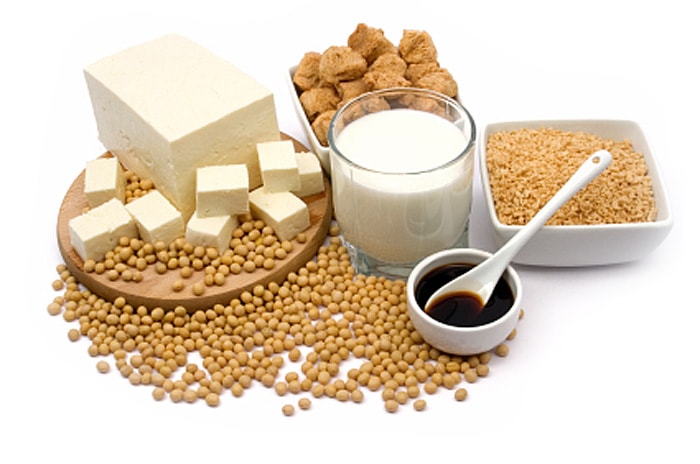
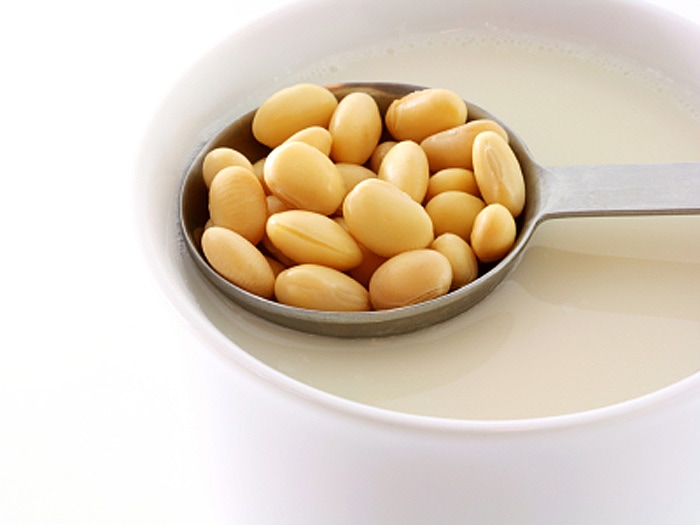
As soy milk is manufactured with whole soybeans with no additional fat added, it is also qualified for the health claim. A heart health claim will appear on soy milk or other qualified soy products.
Diets low in saturated fat and cholesterol that include 25 grams of soy protein a day may reduce the risk of heart disease. One serving of [name of produce] provides [amount] g of soy protein.
One glass of soy milk provides ~8g of soy protein!!! In addition, soy milk is rich in Isoflavones, a type of phytoestrogens that have structure similar to that of human estrogen. Numerous studies indicated that populations that consume soy products (as in Japan and China) have lower incidences of breast, colon and prostate cancers. More and more researchers now investigate the benefits of soy milk in cancer risk.
U.S. Agency for Healthcare Research and Quality analyzed various studies in 2005 and found that soy only had a modest effect on cholesterol levels. They found that eating a high amount of soy only caused a 3% reduction in LDL cholesterol levels.
Based on these recent studies, the American Heart Association Nutrition Committee no longer recommends eating soy to lower cholesterol. However, the AHA does consider soy products a healthy replacement for meats or other foods high in saturated fat and total fat. On the other hand, FDA is reviewing its policy on soy health claim.
So what should you do? Enjoy your soy foods like before. It may not lower cholesterol to an extent we originally thought, but it certainly does not harm our health!
Alumni: University of British Columbia – Gloria Tsang is the author of 6 books and the founder of HealthCastle.com, the largest online nutrition network run by dietitians. Her work has appeared in major national publications, and she is a regularly featured nutrition expert for media outlets across the country. The Huffington Post named her one of its Top 20 Nutrition Experts on Twitter. Gloria’s articles have appeared on various media such as Reuters, NBC & ABC affiliates, The Chicago Sun-Times, Reader’s Digest Canada, iVillage and USA Today.
Like our content? Download our free shopping guide and the first chapter of the GoUndiet Book Now!

HealthCastle Nutrition Inc. · © Copyright 1997-2026 · All rights reserved