
Written By: Gloria Tsang, RD
Title: Founding Dietitian
Alumni: University of British Columbia
Last Updated on:

Strawberries are not only delicious and nutrient-rich, new research from Harvard Medical School has found that they may offer heart disease protection. The new study found that those who reported eating the most strawberries experienced lower blood levels of C-reactive protein, a biomarker for inflammation in the blood vessels.
Table of Contents
Researchers at the Harvard School of Public Health reported their findings in the August issue of the Journal of the American College of Nutrition. Using dietary intake records of approximately 27,000 of the women who participated in the decade-long Women’s Health Study, lead researcher Dr. Sesso looked at levels of strawberry consumption and several risk factors for heart disease. The findings revealed that women who ate the most strawberries – two or more servings per week – compared to those who reported eating none in the past month, were 14 percent less likely to have elevated C-reactive protein levels – a blood biomarker that signals the presence of inflammation in the body.
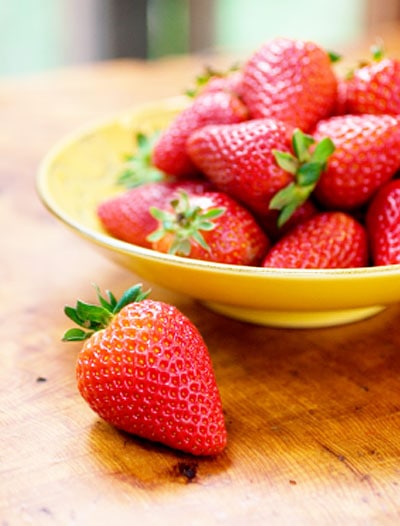
Researchers found that those women who had higher strawberry intakes were also more likely to lead a heart-healthy lifestyle. On average, women in the highest strawberry intake group ate about twice as many servings of fruits and vegetables every day as did women in the lowest intake group. Not surprisingly, they had much higher average intakes of important heart-healthy nutrients like fiber, Vitamin C, potassium and folate. They were also most likely to be non-smokers and get daily physical activity. In addition, the high strawberry consumers had slightly lower levels of both total and LDL cholesterol, the so-called “bad” cholesterol.
The Bottom Line
Why eat red? Science suggests the pigments that make up the red color in many fruits and vegetables like strawberries, tart cherries, and tomatoes are powerful disease-fighting antioxidants that may help reduce inflammation associated with hardening of the arteries and reduce certain risk factors for heart disease.
Alumni: University of British Columbia – Gloria Tsang is the author of 6 books and the founder of HealthCastle.com, the largest online nutrition network run by dietitians. Her work has appeared in major national publications, and she is a regularly featured nutrition expert for media outlets across the country. The Huffington Post named her one of its Top 20 Nutrition Experts on Twitter. Gloria’s articles have appeared on various media such as Reuters, NBC & ABC affiliates, The Chicago Sun-Times, Reader’s Digest Canada, iVillage and USA Today.
berries, cholesterol, fruits, heart smart, strawberries
Do You Know What’s In Your Multivitamin?
5 Tips From A Dietitian on Desserts For Diabetes (Especially If You Carb Count)
Like our content? Download our free shopping guide and the first chapter of the GoUndiet Book Now!


HealthCastle Nutrition Inc. · © Copyright 1997-2026 · All rights reserved