
Written By: Gloria Tsang, RD
Title: Founding Dietitian
Alumni: University of British Columbia
Last Updated on:

Busy schedules often push grocery shopping and meal planning to the bottom of the priority list. Skipped meals, last-minute takeout, and ultra-processed convenience foods can quickly become the norm. The good news is that eating well does not require complicated planning or long hours in the kitchen. With a few strategic choices at the grocery store, it is possible to support energy, health, and satiety even on the busiest weeks.
Table of Contents
Go for minimally processed, nutrient-dense foods. Research shows that diets centered on whole foods at home lead to better weight control and health outcomes than eating ultra-processed meals, even when calories are the same. Eating less ultra-processed food can reduce overeating and chronic disease risk.
Key picks:
Quick tip: Pick items that need little prep. If you won’t cook them, they won’t get eaten.
Protein and fiber keep you full, support muscle and gut health, and help regulate blood sugar. These are the top priorities for healthy eating patterns.
Smart protein choices for busy shoppers:
Fiber winners:
Why it matters: Protein reduces hunger and helps preserve lean mass. Fiber aids digestion, supports gut health, and can lower heart disease risk.
Food trends often overlap with solid nutrition science. Today’s smart trends include foods with proven benefits rather than gimmicks.
Evidence-aligned options:
Be cautious with functional beverages (e.g., kombucha, energy drinks). Some are marketed as healthy but may have added sugars or little proven benefit. Read labels carefully.
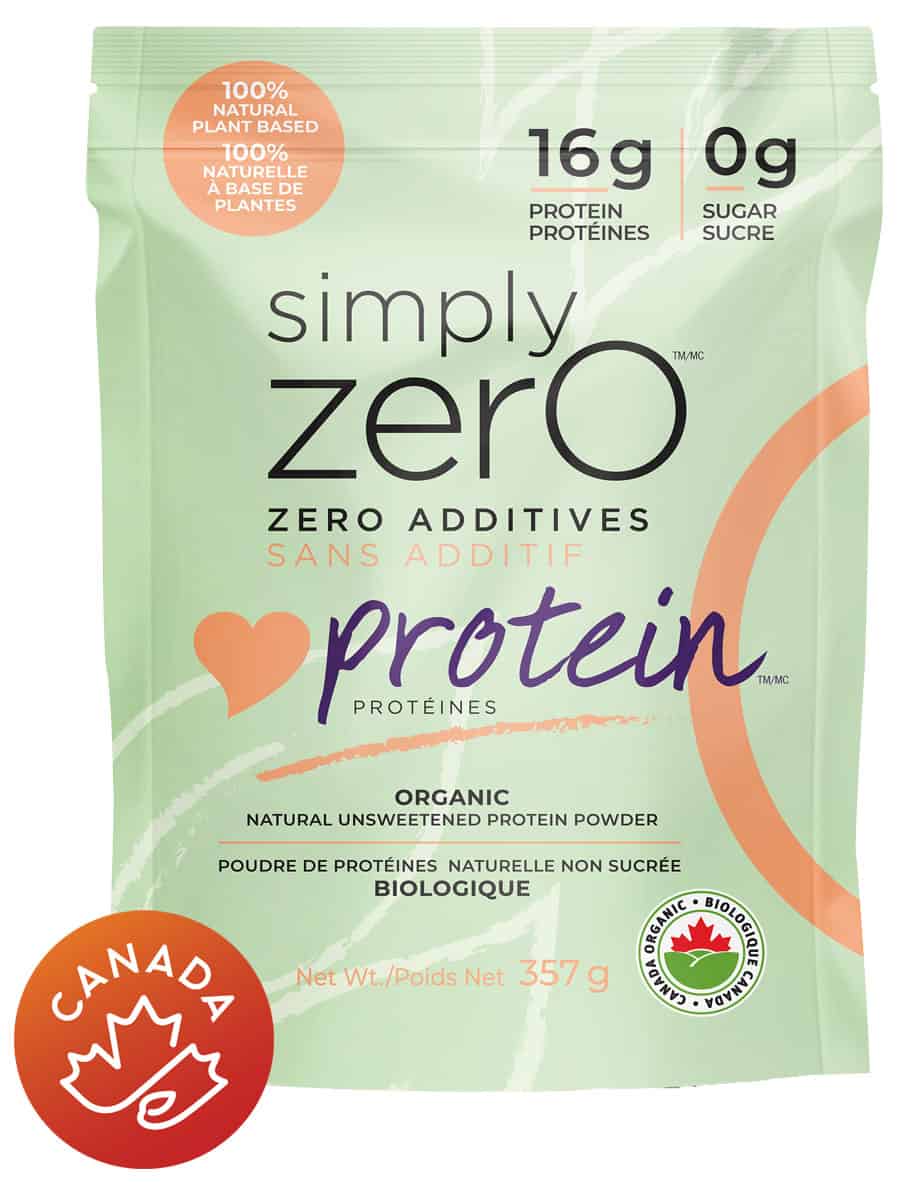
For people with very tight schedules, plant-based protein powder can also be a practical option. High-quality blends made from pea, rice, or soy protein provide a convenient source of complete or complementary amino acids, especially for breakfast or post-workout meals. Clinical reviews3 show that plant proteins can support muscle maintenance and satiety when total protein intake is adequate. Unsweetened with minimal additives are preferred, as they allow better control over sugar intake while still delivering 15 to 20 grams of protein per serving. Protein powders should complement, not replace, whole foods, but they can be a useful bridge on busy days.
Consistency matters more than complexity when it comes to eating well on a busy schedule. Research shows that people who shop and plan meals with some regularity tend to have better overall diet quality and rely less on ultra-processed foods.
A practical routine starts with anchoring each grocery trip around a few core food groups: vegetables, protein foods, whole grains, and healthy fats. From there, choose convenience options that fit your week, such as frozen vegetables, canned beans or lentils, pre-washed produce, and ready-to-eat proteins. These foods reduce preparation time while still supporting nutrition.
Shopping with a short, flexible list can help avoid impulse purchases and food waste. Checking what is already in the fridge and pantry before shopping also makes it easier to build meals around what you have, rather than starting from scratch each week.
For many busy people, grocery pickup or delivery can further support healthier choices by removing time pressure and distractions in the store. When shopping becomes more predictable and less rushed, it is easier to maintain balanced eating habits over time.
Produce: Boxed salad, spinach, berries, apples, carrots, sweet potatoes, squashes and more
Proteins: Canned fish, eggs, Greek yogurt, tofu & tempeh, beans, nuts & seeds
Grains & Fiber: Sprouted bread, precooked brown rice, quinoa, oats
Healthy Fats: Avocado, olive oil, nut butter
Convenience Items: Frozen veggies, canned beans and lentils, pre-washed fruit, protein powder
HealthCastle has strict sourcing guidelines. We reference peer-reviewed studies, scientific journals and associations. We only use quality, credible sources to ensure content accuracy and integrity.
Alumni: University of British Columbia – Gloria Tsang is the author of 6 books and the founder of HealthCastle.com, the largest online nutrition network run by dietitians. Her work has appeared in major national publications, and she is a regularly featured nutrition expert for media outlets across the country. The Huffington Post named her one of its Top 20 Nutrition Experts on Twitter. Gloria’s articles have appeared on various media such as Reuters, NBC & ABC affiliates, The Chicago Sun-Times, Reader’s Digest Canada, iVillage and USA Today.
Like our content? Download our free shopping guide and the first chapter of the GoUndiet Book Now!


HealthCastle Nutrition Inc. · © Copyright 1997-2026 · All rights reserved