
Written By: Gloria Tsang, RD
Title: Founding Dietitian
Alumni: University of British Columbia
Last Updated on:

Barley, a type of whole grain, originated in Ethiopia and Southeast Asia, where it has been cultivated for more than 10,000 years. Barley was used by ancient civilizations as a food for humans and animals, as well as to make alcoholic beverages. In addition, barley water has been used for various medicinal purposes since ancient times.
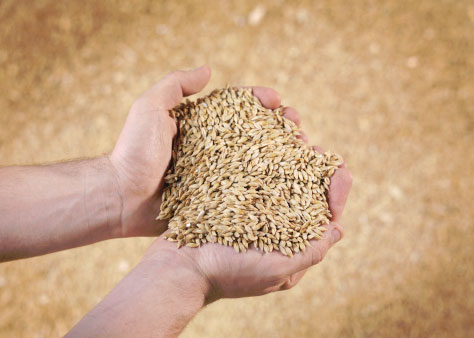
Barley contains high levels of dietary fiber and selenium (a type of antioxidants). Recent studies showed that a diet high in beta-glucan from barley helps lower blood LDL cholesterol (the bad cholesterol). Barley may also help stabilize blood glucose levels, which may benefit people with diabetes. A study published in the American Journal of Clinical Nutrition in 2004 reported a 6 percent and 8 percent reduction in LDL cholesterol following consumption of diets containing barley with 3 grams and 6 grams of beta-glucan soluble fiber, respectively.
Table of Contents
In 1997, the FDA authorized coronary heart disease risk reduction health claim for beta-glucan soluble fiber from oat products. In December 2005, the FDA extended its approval to barley as well. To qualify for this health claim, a food product must contain at least 0.75 grams of barley beta-glucan soluble fiber per serving. The general public can expect to see whole barley and dry milled barley products such as flakes, grits, flour, meal, and barley meal bearing the health claim.
The US government published the new Dietary Guidelines for Americans 2005 in January 2005. One of the new guidelines recommends that all adults eat half their grains as whole grains – that’s at least 3 servings of whole grains such as barley and whole wheat a day. In addition to pearl barley, experiment with other barley products such as barley flour and barley flakes in your daily cooking. To increase intake of barley, try the following:
Alumni: University of British Columbia – Gloria Tsang is the author of 6 books and the founder of HealthCastle.com, the largest online nutrition network run by dietitians. Her work has appeared in major national publications, and she is a regularly featured nutrition expert for media outlets across the country. The Huffington Post named her one of its Top 20 Nutrition Experts on Twitter. Gloria’s articles have appeared on various media such as Reuters, NBC & ABC affiliates, The Chicago Sun-Times, Reader’s Digest Canada, iVillage and USA Today.
, beta glucan, cholesterol, heart smart, soluble fiber

Like our content? Download our free shopping guide and the first chapter of the GoUndiet Book Now!


HealthCastle Nutrition Inc. · © Copyright 1997-2026 · All rights reserved