
Written By: Gloria Tsang, RD
Title: Founding Dietitian
Alumni: University of British Columbia
Last Updated on:

Many of us are supplement users. And by dietary supplements, I’m not only referring to multivitamins. Supplements include not only vitamins and mineral supplements like Vitamin B complex and calcium pills, but also herbal and other supplements like glucosamine sulfate and lutein pills. So, how should you go about choosing the right one?
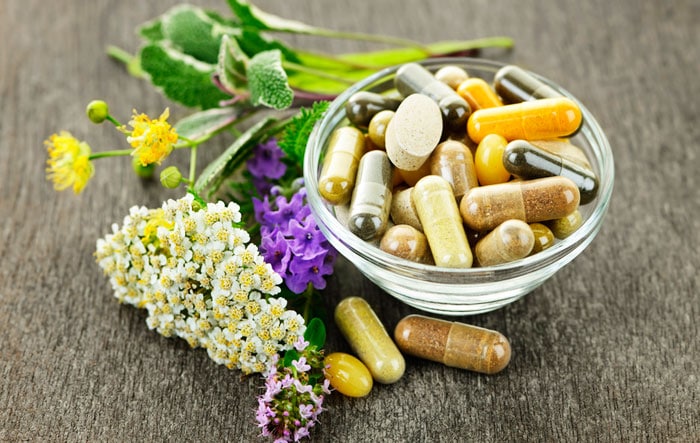
Table of Contents
1. Talk to Your Pharmacist
We often ask readers to talk to the doctor, but in this case, talk to your pharmacist – especially if you are taking long-term medications. Herbal supplements, for instance, may cause side effects when mixed with prescription drugs, or reduce the effectiveness of a drug. For instance, St John’s wort can reduce the effectiveness of birth control pills. Some other supplements, like garlic, may interfere with your blood clotting ability – something to keep in mind if you have an upcoming surgery planned. These effects can be life threatening, so you should always speak to your pharmacist before starting a new supplement.
2. Be Realistic
Some supplements may help prevent some conditions – for instance, iron can help prevent anemia – but nothing has been proven to cure any major disease. If you hear or read on the Internet that a supplement can treat or cure a disease or help you lose weight fast, your skepticism level should be raised immediately. The best place to research a natural supplement is at the Office of Dietary Supplements by the National Institutes of Health and the National Center for Complementary and Alternative Medicine.
3. Be a Label Detective
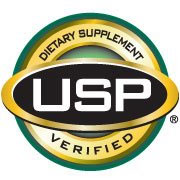 All herbal supplements must carry on the label the name of the herb, a complete list of ingredients, serving size, active ingredients, amount, and manufacturer information. If you have a choice, choose natural dietary supplements that carry the “USP Verified” logo. This means the product meets the standard set by US Pharmacopeia. If in doubt, you should always research more by logging on to the Dietary Supplement Label Database by the National Institutes of Health.
In Canada, a supplement should carry either a Natural Product Number (NPN) or a Drug Identification Number (DIN). This means the product meets the standards set by Health Canada.
4. Choose Single-Ingredient Supplements
Combining multiple ingredients in a single pill really doesn’t add extra value or medicinal benefits. Let’s take a look at calcium supplements. A pill can supposedly hold 600 mg of calcium. But if you add magnesium and Vitamin D in the same pill, the amount of calcium will be less. Another example we see often is glucosamine sulfate for joint health. A single-ingredient glucosamine sulfate pill generally contains 500 to 750 mg. But a multi-ingredient pill with added chondroitin has much less glucosamine. So stick with a pill containing the most beneficial ingredient, not supporting ingredients.
5. Buy Your Supplements from a Known Source
In other words, don’t buy them from a friend or through direct sales. They may not have the necessary medical knowledge to “advise” you on what to take and what not to take.
6. Choose a Trusted Brand
Regulations on natural dietary supplements are not as strict as they are for medications, so quality may vary. Take fish oil supplements as an example: There may be a lot more than fish oil in a bottle of pills. Pollutants like PCBs, mercury, lead, and so on cannot be ignored. The best practice is to choose a known brand you can trust. If you are keen on researching how your favorite brand compares to others, check out ConsumerLab for their reviews.
Unfortunately, there is not a manual on buying natural supplements – and the industry changes often as well. Your best bet is always speak to a healthcare professional before starting any new supplements.
Alumni: University of British Columbia – Gloria Tsang is the author of 6 books and the founder of HealthCastle.com, the largest online nutrition network run by dietitians. Her work has appeared in major national publications, and she is a regularly featured nutrition expert for media outlets across the country. The Huffington Post named her one of its Top 20 Nutrition Experts on Twitter. Gloria’s articles have appeared on various media such as Reuters, NBC & ABC affiliates, The Chicago Sun-Times, Reader’s Digest Canada, iVillage and USA Today.
, grocery aisle, supplements, vitamins
Like our content? Download our free shopping guide and the first chapter of the GoUndiet Book Now!


HealthCastle Nutrition Inc. · © Copyright 1997-2026 · All rights reserved