
Written By: Gloria Tsang, RD
Title: Founding Dietitian
Alumni: University of British Columbia
Last Updated on:

Table of Contents
Because it boosts the body’s antioxidant capacity, selenium is thought to have some ability to control cell damage that may lead to cancer. Selenium may even act in other ways to stop early cancer cells in their development. A recent study also suggested that selenium may enhance immune function, at least in those healthy adults with relatively low blood selenium. So far based on the evidence of animal and epidemiological studies, the role of selenium and cancer is probably the most significant for prostate cancer.
Quite a few promising studies published in 2004 showed the potential benefits of selenium in prevention of prostate cancer. One particular epidemiological study published in May 2004 in the Journal of National Cancer Institute revealed that men with high blood levels of selenium were about half as likely to develop advanced prostate cancer as the men with lower blood selenium. This study had a good sample size (>1000 healthy male) and a long study period of over 13 years. The duration is significant because prostate cancer is a slow growing disease.
A well designed randomized double-blind controlled study would be able to determine selenium’s benefits. Currently the SELECT trial (the Selenium and Vitamin E Cancer Prevention Trial) is in progress. This study hopes to enroll 32,000 men aged 55 or older and will be follow them for 12 years.
Several other studies recently suggested that lower blood selenium may be associated with increased risk of colon cancer. Another study published in August 2004 also revealed that selenium may prevent gastric cancer, especially in men.
Researchers from the State University of New York investigated the effectiveness of selenium in prevention of heart disease in over 1300 patients participating in the Nutritional Prevention of Cancer Trial (NPC Trial) in the 90s. Incidence rates of hear attack, stroke and death from heart disease were analyzed. Findings showed that 200 mcg of daily selenium supplement for 7 1/2 years did not prevent heart disease. The results of this study were published in the American Journal of Epidemiology in April 2006.
A summary report of the NPC Trial published in Cancer Epidemiology Biomarkers & Prevention in July 2002 revealed benefits of selenium supplementation on cancer incidence, particularly among men with low blood selenium concentration. The benefit was most promising for prostate cancer prevention. Indeed, a few other studies published in 2004 showed the potential benefits of selenium in prevention of prostate cancer. One particular epidemiological study published in May 2004 in the Journal of National Cancer Institute revealed that men with high blood levels of selenium were about half as likely to develop advanced prostate cancer as the men with lower blood selenium.
The results of this NPC trial is a good reminder that antioxidants do not benefit all diseases, especially when they are in pure supplement form.
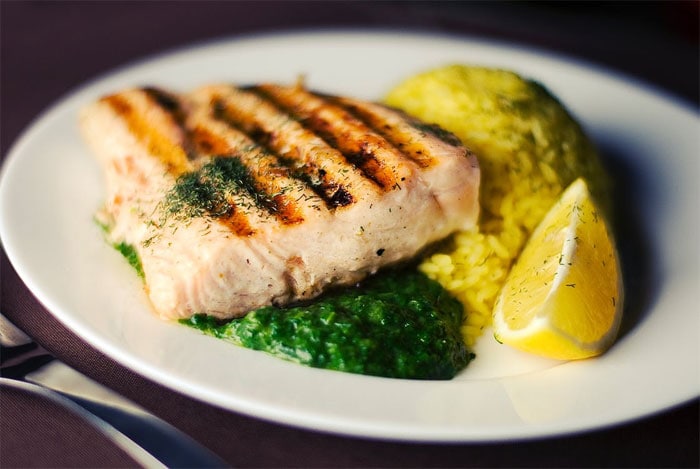
Selenium Key Message: Enjoy the benefits of selenium! Selenium is found in many foods such as seafood, lean meats, grains, eggs and garlic. It is unknown that how much selenium is enough for men. In addition, we also don’t know if selenium supplements help every man or only some. If you are taking a selenium supplement, the maximum amount from food and supplements considered safe is 400 mcg a day.
If you would like to include more foods with high levels of antioxidants, fruits & vegetables as well as whole grains would be good choices. For a sensible heart smart diet, emphasize fruits and vegetables, whole grains, fatty fish and choose skinless lean meats.
Alumni: University of British Columbia – Gloria Tsang is the author of 6 books and the founder of HealthCastle.com, the largest online nutrition network run by dietitians. Her work has appeared in major national publications, and she is a regularly featured nutrition expert for media outlets across the country. The Huffington Post named her one of its Top 20 Nutrition Experts on Twitter. Gloria’s articles have appeared on various media such as Reuters, NBC & ABC affiliates, The Chicago Sun-Times, Reader’s Digest Canada, iVillage and USA Today.
cancer, minerals, prostate, prostate cancer, selenium
Do I Need to Take Dietary Supplements Every Day?
Strength Training Nutrition: Updated Diet Guide for Muscle, Performance & Recovery
Like our content? Download our free shopping guide and the first chapter of the GoUndiet Book Now!

HealthCastle Nutrition Inc. · © Copyright 1997-2026 · All rights reserved