
Written By: Gloria Tsang, RD
Title: Founding Dietitian
Alumni: University of British Columbia
Last Updated on:

Table of Contents
A new study published in the Archives of Internal Medicine in September 2005 found that intake of soy food was associated with a significantly lower risk of bone fracture, particularly among early post-menopausal women. Researchers studied associations between soy consumption and bone fractures in more than 24,000 postmenopausal Chinese women averaging 60 years of age. After following these women for 4 1/2 years, researchers found that the women in the highest soy intake group (13g soy protein daily) were at a 35 – 37 percent lowered risk of bone fractures than women in the lowest intake group (5g soy protein).
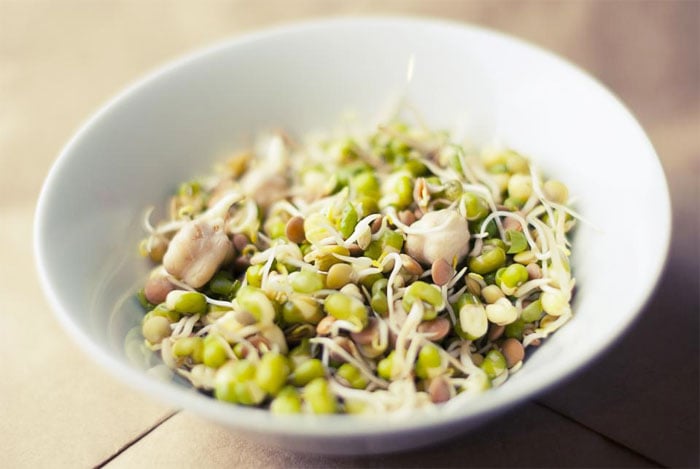
Many soy foods are naturally high in calcium as this mineral is added as a coagulating agent. In addition, soy also contains magnesium and boron, which are important in bone health.
In addition, isoflavones in soy foods may inhibit the breakdown of bones. Daidzein, a type of isoflavone, is actually very similar to the drug ipriflavone, which is used throughout Europe and Asia to treat osteoporosis.
A study completed by Erdman in the early 1990’s inspired the many studies that followed to investigate the possible benefits of soy on bone health. Erdman’s study focused on post-menopausal women who consumed 40 g of isolated soy protein daily for 6 months. Erdman found that these women had significantly increased bone mineral density as compared to the controls.
A recent study published in 2003 by the Oklahoma State University showed that soy protein was more effective in bone formation and retention of calcium inside the body (excreting less calcium in urine) compared to milk protein. In addition, researchers also found that the benefits of soy on bone health were more pronounced in postmenopausal women who were not on hormone replacement therapy.
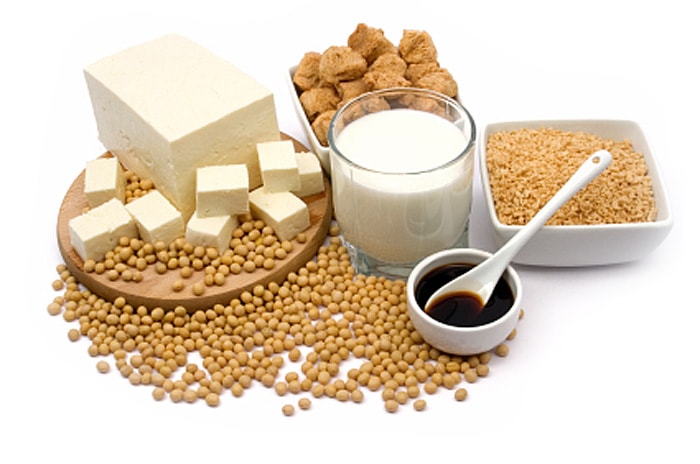
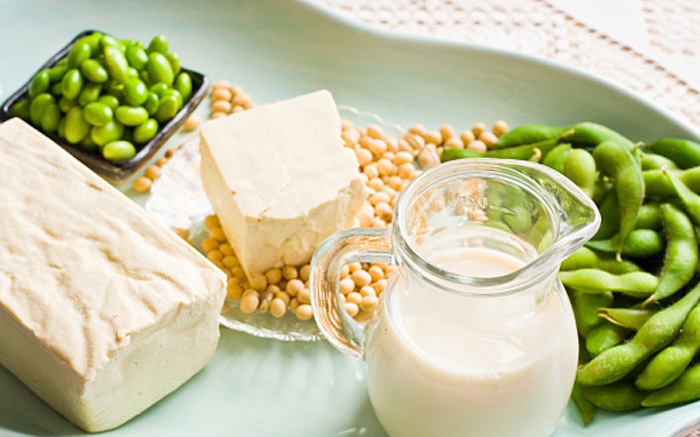
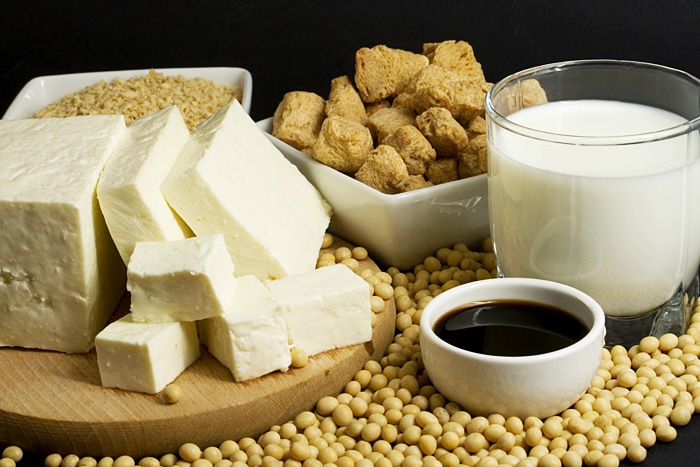
There is no doubt that soy has a role in maintaining healthy bones and may even help to prevent bone loss in postmenopausal women. However, it is still not clear whether the benefits are due to its soy protein, or its isoflavones daidzein and genistein, or the combination of them. The best approach is to include soy foods such as tofu, tempeh, soy milk, edamame etc in your diet instead of taking isolated soy supplements. Many brands of soy milk are now fortified with calcium. Hence, one glass of fortified soy milk provides an equivalent amount of calcium from a glass of cow’s milk.
Diet has long been thought to be associated with the development of prostate cancer that is common in Western countries and rare in Japan and Asia. In a study published in October 2004 by the Urological Sciences Research Foundation found that when Japanese men migrate to the United States and adopt a Western lifestyle, the protection begins to disappear within one generation. The researchers suggested that the western diet containing high animal saturated fats and low soy content may be the contributors to the higher incidences of prostate cancer.
Many people often associate the benefits of soy with breast cancer. Indeed, data on soy and prostate cancer has been most promising; many studies support the role of soy in the prevention and possible treatment of prostate cancer. During the late 80s, researchers found that Japanese men in Hawaii who ate tofu at least 5 times per week had 65% less chance of developing prostate cancer than those who ate tofu only once a week or less. In 1998, researchers found that men who drank soy milk at least once a day had a 70% less chance of developing prostate cancer than those who never drank soy milk at all.
Soy has also been found to be potentially beneficial in treating prostate cancer and slowing its progression in many animal and in vitro studies. Lately, more human studies point to similar results. In a small study published in Urology in September 2004, Australian researchers found that men consuming a soy-enriched diet had a statistically significant drop of 12.7% in prostate-specific antigen (PSA) levels, compared to the control group whose PSA levels rose 40%.
Study after study seems to show that diet is one of the major factors in relation with incidences of prostate cancer. Prostate cancer incidence and mortality rates in Asian countries are much lower than in the United States. Research suggests that one of the reasons for this difference in incident rates may be the high soy content in the Asian diet. In Asian countries, the estimated isoflavone mean daily intake is between 10-50 mg per day. The Louis Warschaw Prostate Cancer Center in California recommends an intake of 35 to 40 g of soy protein daily. However, it is still not clear whether the benefits are due to its soy protein, or its isoflavones daidzein and genistein, or the combination of them. The best approach is to include soy foods such as tofu, tempeh, soy milk, edamame etc in your diet instead of taking soy isolate supplements.
With the increasing public concerns regarding genetically modified foods, look for soy products which use non-genetically modified soy crops in their production.
Alumni: University of British Columbia – Gloria Tsang is the author of 6 books and the founder of HealthCastle.com, the largest online nutrition network run by dietitians. Her work has appeared in major national publications, and she is a regularly featured nutrition expert for media outlets across the country. The Huffington Post named her one of its Top 20 Nutrition Experts on Twitter. Gloria’s articles have appeared on various media such as Reuters, NBC & ABC affiliates, The Chicago Sun-Times, Reader’s Digest Canada, iVillage and USA Today.
osteoporosis, prostate, prostate cancer, soy

Like our content? Download our free shopping guide and the first chapter of the GoUndiet Book Now!


HealthCastle Nutrition Inc. · © Copyright 1997-2026 · All rights reserved