
Written By: Gloria Tsang, RD
Title: Founding Dietitian
Alumni: University of British Columbia
Last Updated on:

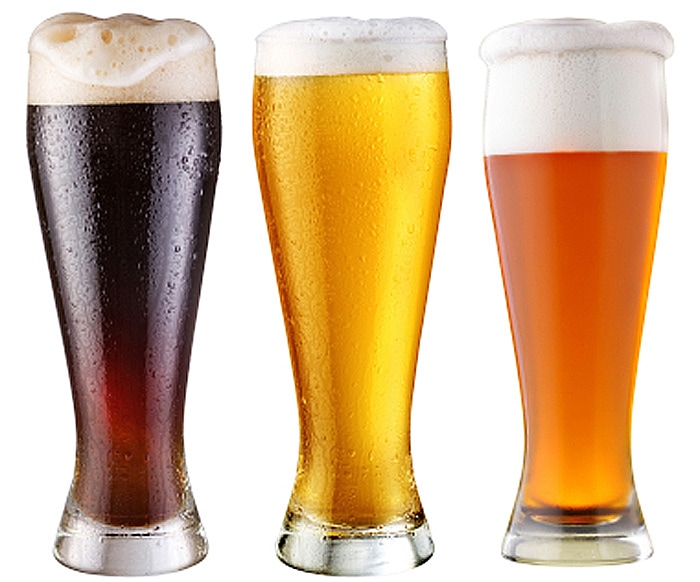
Triglycerides are the main form of fat in your body. It is normal that our blood contains some levels of triglycerides, as they are often the by-products of fat being broken down and digested after a meal. However, if you consume excess calories regardless from any source – carbohydrates, fats or protein – our body will transform these excess calories into triglycerides for storage as body fat. Yup! The beer belly and extra fat are indeed triglycerides! Therefore it is more common to see high triglyceride blood level in overweight or obese individuals.

Table of Contents
High triglyceride level is associated with increased risk of heart disease. For other cholesterol levels, check our Cholesterol Numbers Guide.
High triglycerides contribute to hardening of blood vessels, which increases the risk of heart attack and stroke. The problem is, triglycerides cannot be lowered overnight, and are usually caused by multiple factors such as obesity, excessive alcohol consumption, or poorly-managed diabetes. The good news is, diet and healthy eating habits can aid lowering triglycerides.
Alumni: University of British Columbia – Gloria Tsang is the author of 6 books and the founder of HealthCastle.com, the largest online nutrition network run by dietitians. Her work has appeared in major national publications, and she is a regularly featured nutrition expert for media outlets across the country. The Huffington Post named her one of its Top 20 Nutrition Experts on Twitter. Gloria’s articles have appeared on various media such as Reuters, NBC & ABC affiliates, The Chicago Sun-Times, Reader’s Digest Canada, iVillage and USA Today.
dha, epa, heart smart, omega-3, triglycerides

Like our content? Download our free shopping guide and the first chapter of the GoUndiet Book Now!


HealthCastle Nutrition Inc. · © Copyright 1997-2026 · All rights reserved