
Written By: Gloria Tsang, RD
Title: Founding Dietitian
Alumni: University of British Columbia
Last Updated on:

Antioxidants are substances or nutrients in our foods which can prevent or slow the oxidative damage to our body. When our body cells use oxygen, they naturally produce free radicals (by-products) which can cause damage. Antioxidants act as “free radical scavengers” and hence prevent and repair damage done by these free radicals. Health problems such as heart disease, macular degeneration, diabetes, cancer are all contributed by oxidative damage. Antioxidants may also enhance immune defense and therefore lower the risk of cancer and infection.
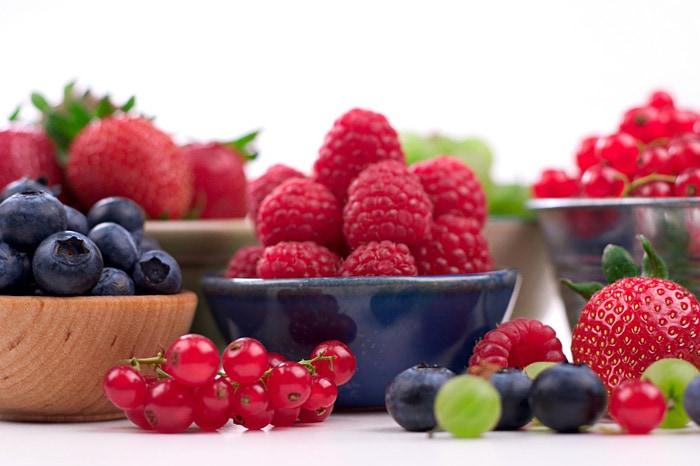
Table of Contents
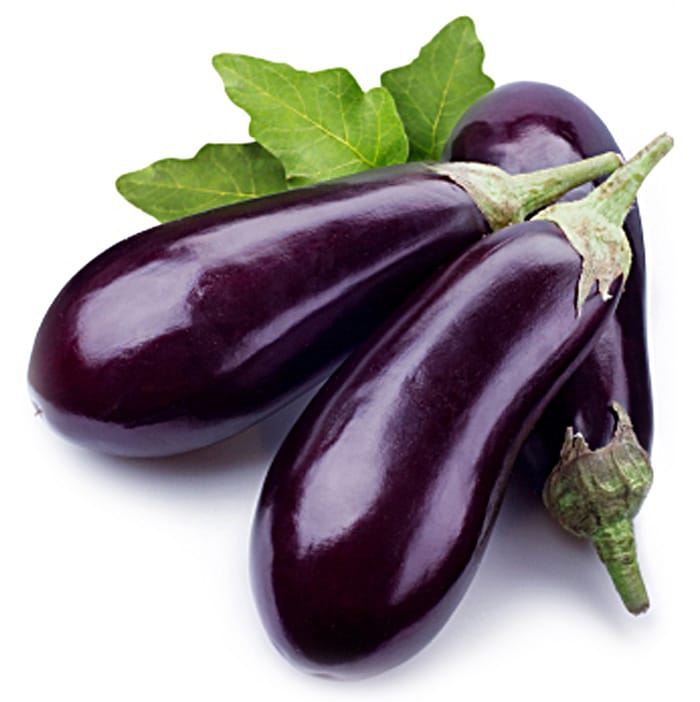
Antioxidants are found abundant in beans, grain products, fruits and vegetables. Look for fruits with bright color – lutein in some of the yellow pigments found in corn; orange in cantaloupe, butternut squash and mango; red from lycopene in tomatoes and watermelon, and purple and blue in berries. So enjoy eating a variety of these products. It is best to obtain these antioxidants from foods instead of supplements. In addition, minimize the exposure of oxidative stress such as smoking and sunburn.
Alumni: University of British Columbia – Gloria Tsang is the author of 6 books and the founder of HealthCastle.com, the largest online nutrition network run by dietitians. Her work has appeared in major national publications, and she is a regularly featured nutrition expert for media outlets across the country. The Huffington Post named her one of its Top 20 Nutrition Experts on Twitter. Gloria’s articles have appeared on various media such as Reuters, NBC & ABC affiliates, The Chicago Sun-Times, Reader’s Digest Canada, iVillage and USA Today.
antioxidant, cancer diet, diabetes diet, heart smart, immune booster, phytochemicals, supplements
Like our content? Download our free shopping guide and the first chapter of the GoUndiet Book Now!


HealthCastle Nutrition Inc. · © Copyright 1997-2026 · All rights reserved