
Written By: Gloria Tsang, RD
Title: Founding Dietitian
Alumni: University of British Columbia
Last Updated on:

Getting toddlers to eat healthy is a high priority for many parents. So how have we been doing collectively? A newly released nutrition survey reveals some interesting diet data.
Table of Contents
These findings are from the Nestle Feeding Infants and Toddler Study (FITS), which investigated the eating habits of over 3,000 children aged 0 to 4.

So, what should you do as the parents?
Be creative in finding way to include vegetables and fruit in your toddler’s diet. Nutritionist Keely Drotz, our own HealthCastle.com contributor specializing in kids nutrition, suggests shredding, julienning, or dicing fruit and vegetables to make them visually interesting. Offer an array of fun dips, or prepare sauces or dips with vegetables for young toddlers.
Avoid serving too many prepared baby or toddler foods. Some toddler foods contain added salt or sugar and are full of additives. “Just as adults shouldn’t eat all of our meals straight out of a can or box, it’s not healthy for infants and toddlers to regularly eat packaged baby foods,” Drotz says.
Infants between 6 and 12 months aren’t eating much meat, so it’s important to serve iron-fortified infant cereals to meet their iron needs.
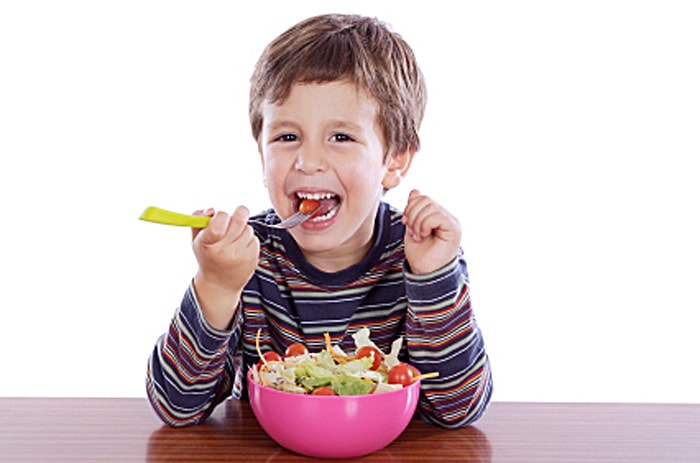
Grow a vegetable. Kids are more likely to eat foods that they have contributed to making. Next spring, start by planting a cherry tomato plant in your own backyard. If you don’t have a backyard, container-gardening is still fun – and a cherry tomato plant can grow well in a container. When you feel more confident, plant more vegetables the year after.
Don’t give up. Some kids may take more than 10 exposures to accept a new food. So keep trying!
Alumni: University of British Columbia – Gloria Tsang is the author of 6 books and the founder of HealthCastle.com, the largest online nutrition network run by dietitians. Her work has appeared in major national publications, and she is a regularly featured nutrition expert for media outlets across the country. The Huffington Post named her one of its Top 20 Nutrition Experts on Twitter. Gloria’s articles have appeared on various media such as Reuters, NBC & ABC affiliates, The Chicago Sun-Times, Reader’s Digest Canada, iVillage and USA Today.
4 Healthy Foods You Don’t Expect to Contain Aspartame and Artificial Sweeteners (2023 Update)
Like our content? Download our free shopping guide and the first chapter of the GoUndiet Book Now!
HealthCastle Nutrition Inc. · © Copyright 1997-2026 · All rights reserved