
Written By: Gloria Tsang, RD
Title: Founding Dietitian
Alumni: University of British Columbia
Last Updated on:

Researchers from the Heart Research Institute in Australia studied the body response from eating meals containing good fats versus bad fats. Participants were fed with meals prepared with either coconut oil (high in “bad” saturated fats) or safflower oil (high in “good” polyunsaturated fats). After only 3 hours, researchers found the participants fed with the coconut meal high in saturated fat had a significantly reduced blood flow due to arteries’ reduced ability to expand. After 6 hours, researchers found that the good high-density lipoprotein (HDL) cholesterol’s anti-inflammatory properties had decreased after the saturated coconut meal, but improved after the polyunsaturated safflower meal. The results of this study were published in the Journal of the American College of Cardiology in August 2006.
Editor’s Note – Saturated Fat is bad, regardless of source.
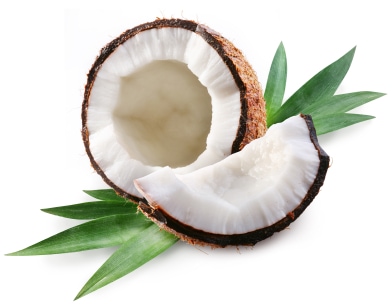
Table of Contents
This study once again shows how good fats may improve body functions while bad fats hamper our health. Despite its extreme high level of saturated fat, coconut oil supporters have been promoting coconut oil as a health food. They claimed that coconut oil can cause weight loss, lower blood cholesterol, and is a germ fighter. It is true the structure of some of the saturated fats in coconut oil is different from other saturated fats, but it is scientifically farfetched to claim it as health food to be eaten every day. Like any other foods, moderation is the key.
Saturated fats are mainly found in animal products such as meat, dairy, eggs and seafood. Some plant foods are also high in saturated fats such as coconut, palm oil and palm kernel oil. Although this study is small, it showed that just one “bad” meal can do damage.
The National Heart, Lung, and Blood Institute warned that “a high content of saturated fat… found in ….. palm kernel oil, palm oil, coconut oil and cocoa butter” put people at risk for having heart attack or stroke.
For the sake of your heart, minimize the intake of both saturated fats and trans fats. Choose wholesome fresh foods instead of packaged foods, which usually contain these bad fats.
Avoid using cooking oils that are high in saturated fats and trans fats such as coconut oil, palm oil or vegetable shortening. Instead, use oils that are low in saturated fats and high in mono- and polyunsaturated fats such as canola oil, olive oil and safflower oil.
As saturated fats are found in animals products, choose lower-fat version dairy. In addition, trim visible fats and skins from meat products.
Alumni: University of British Columbia – Gloria Tsang is the author of 6 books and the founder of HealthCastle.com, the largest online nutrition network run by dietitians. Her work has appeared in major national publications, and she is a regularly featured nutrition expert for media outlets across the country. The Huffington Post named her one of its Top 20 Nutrition Experts on Twitter. Gloria’s articles have appeared on various media such as Reuters, NBC & ABC affiliates, The Chicago Sun-Times, Reader’s Digest Canada, iVillage and USA Today.
coconut oil, heart smart, saturated fats
Like our content? Download our free shopping guide and the first chapter of the GoUndiet Book Now!


HealthCastle Nutrition Inc. · © Copyright 1997-2026 · All rights reserved