
Written By: Gloria Tsang, RD
Title: Founding Dietitian
Alumni: University of British Columbia
Last Updated on:

Fiber plays an important role in our health, from weight management to preventing acute conditions such as constipation, hemorrhoids, and diverticulitis. Studies showed that long-term high fiber intake also prevents chronic conditions such as Type 2 diabetes, cardiovascular conditions, cancer (colorectal and breast cancer in particular). With proper planning, it’s easy to include high fiber foods from our ultimate list below to meet your recommended fiber requirement.
Table of Contents
According to the USDA, the average fiber intake is 16 grams per day. Average men’s intake is 18 grams while the average intake is 15 grams for women.
Along with starch and sugar, fiber is a type of carbohydrate. It is listed under Total Carbohydrate on a Nutrition Facts label. Unlike sugar, fiber is non-digestible. It passes through the digestive system without being broken down into glucose. This helps to keep our digestive system healthy.
There are two types of fiber: soluble and insoluble. Soluble fiber dissolves in water and forms a gel-like substance in the gut. This type of fiber can help to lower blood sugar levels and cholesterol levels. Insoluble fiber, on the other hand, does not dissolve in water and helps to add bulk to the stool. Both types of fiber are important in a healthy diet.
Most foods contain BOTH soluble and insoluble fiber. Whole grains, beans, fruits, and vegetables are good sources of soluble fiber. Insoluble fiber is mostly found in whole wheat products and breakfast cereals, as well as vegetables and grains.
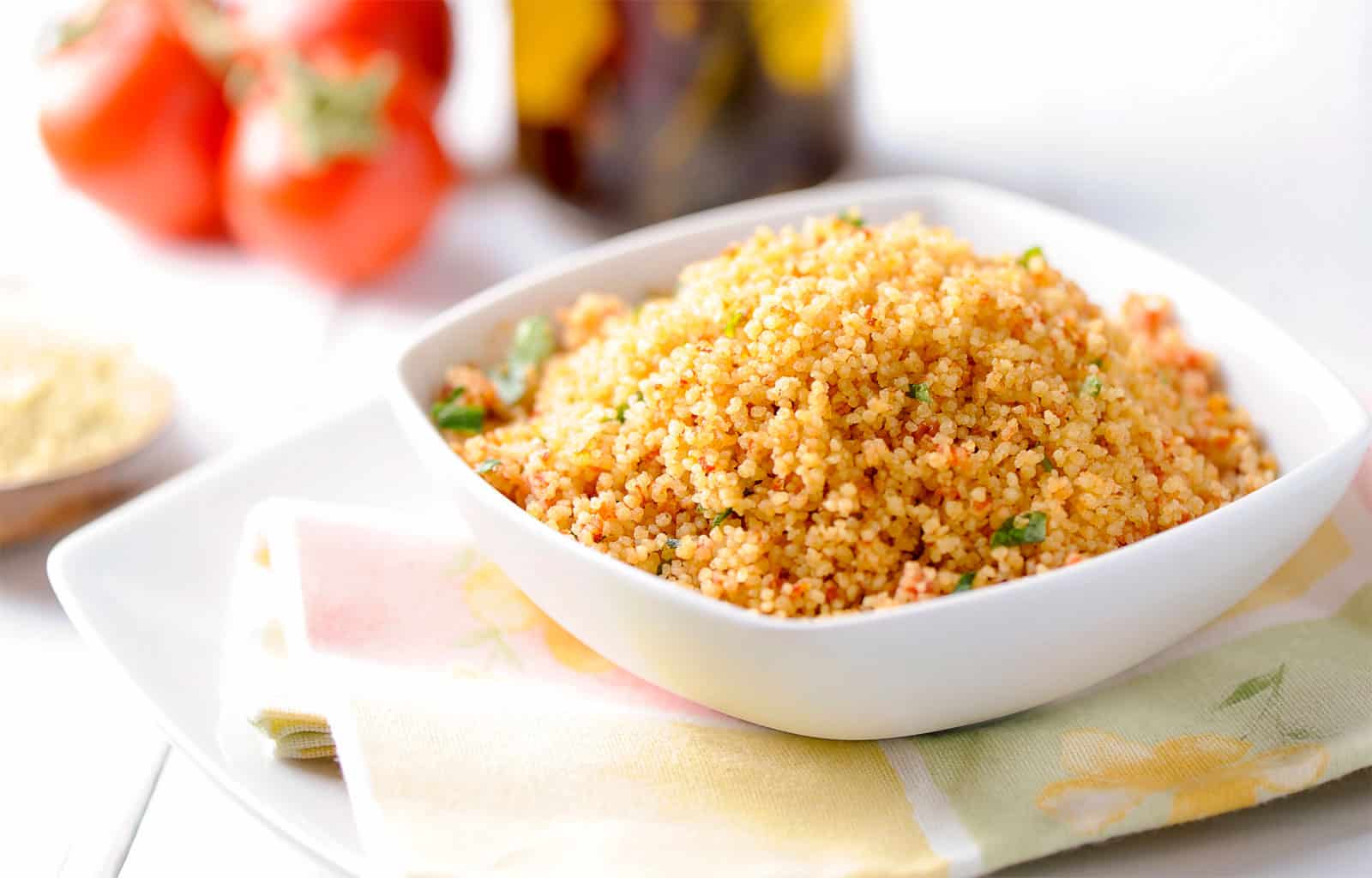
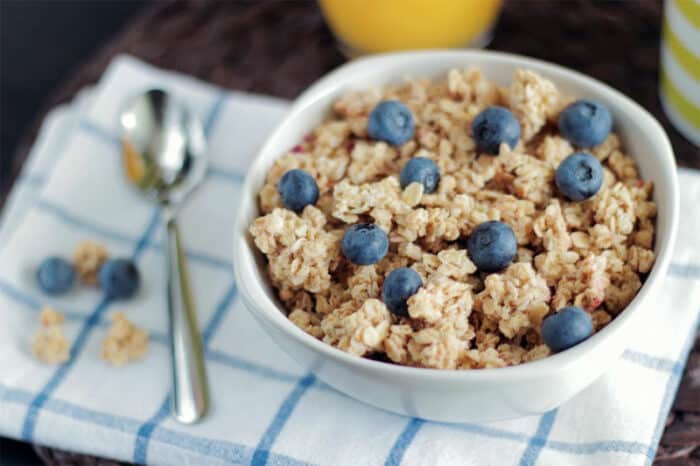
Whole grains are rich in both soluble and insoluble fiber. Providing 8.3 grams per cup cooked, bulgur tops the fiber list in the whole grain category. Spelt comes in a close second, offering 7.6 g per serving. Our favorite quinoa doesn’t fall much behind, providing 5.2 g per serving. Here are some more high-fiber grains to explore with:
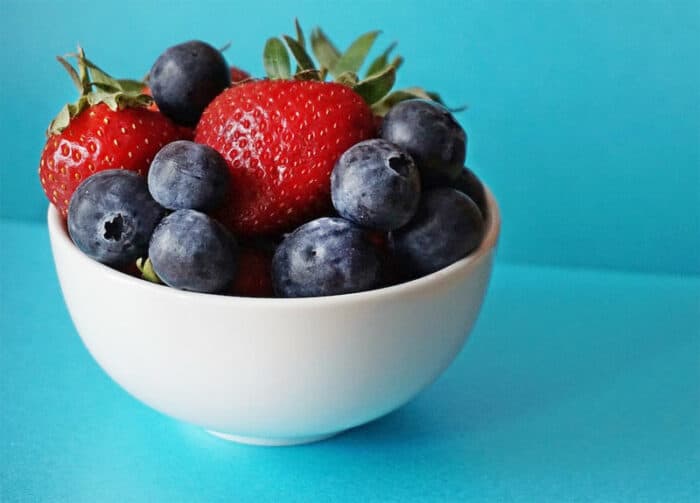
Fruits are excellent sources of vitamins and antioxidants. However, not all fruits are high in fiber; some are mostly water (such as watermelon). Among all high-fiber fruits commonly found at the grocery store, berries come in first. Both raspberries and blackberries provide 8 g of fiber per cup. When they are in season and available, passion fruit and guava provides even higher fiber content. Passion fruit provides a whopping 24.5 g of fiber per cup, while guava offers 9 grams. Choose the following for a fiber boost:
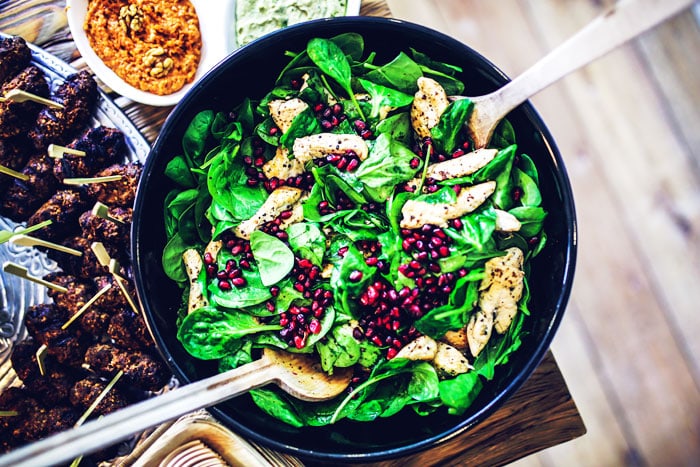
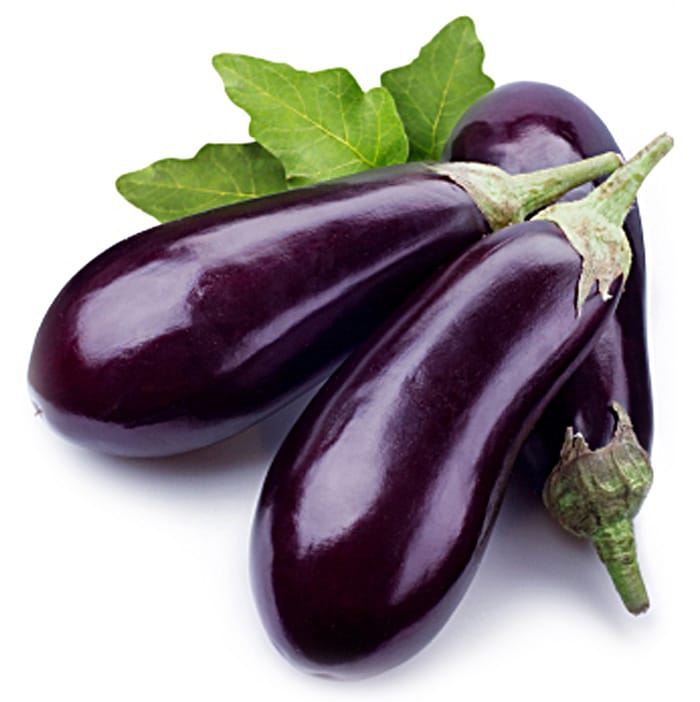
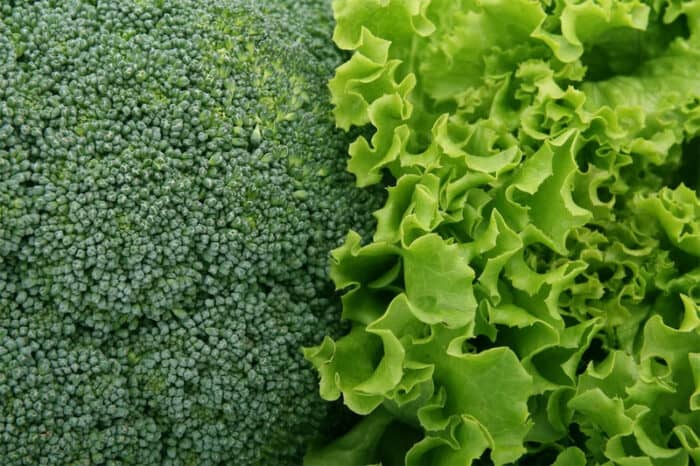
Like fruits, vegetables are nutrient-dense superfoods, providing not only fiber, but also vitamins, antioxidants, as well minerals. Providing 7 g of fiber per head, artichoke tops the high-fiber vegetable chart. Brussels sprouts come in second, with 6 g of fiber per cup cooked. Sweet potatoes are also a fiber powerhouse, providing 5.9 g of fiber each. In general, the darker or more colorful the vegetables, the more fiber it may provide.
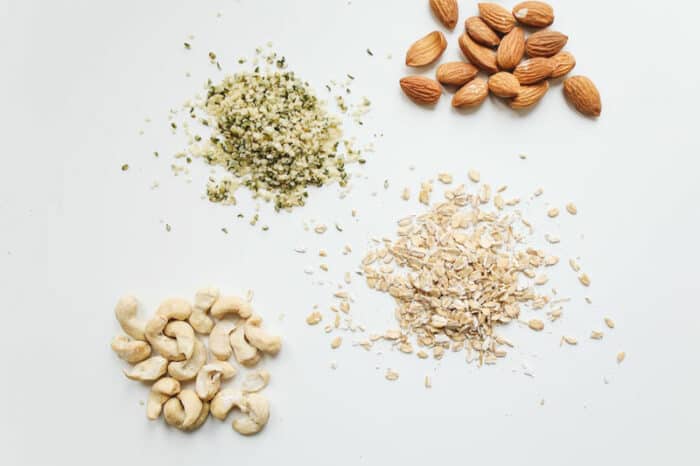
Nuts and seeds come up just about everywhere in nutrition halls of fame and this is also true when it comes to fiber. While portion size is often small (~1 to 2 oz), nuts and seeds are the perfect high-fiber snacks. Among all nuts, almonds provide the most fiber, with 3.3 grams per one ounce serving. Pistachios came in second, providing 2.9 g of fiber per serving. On the other hand, among all seeds, providing 3.8 g of fiber per tablespoon, chia seeds is the highest fiber seeds. Flaxseeds came in a distant second, offering 1.9 g of fiber per serving. Add these high-fiber nuts and seeds in your salad or trail mix, or enjoy them as is.
To say, saving the best for last, is an understatement. Beans and lentils are one of the highest sources of dietary fiber. One cup provides at least 7 grams of fiber (chickpeas), and some even clock in over 10 grams per serving (lentils)! These legumes are not only a good sources for fiber and carbohydrates, but also an excellent source of protein, making them the ideal high-protein options in a plant-based diet.
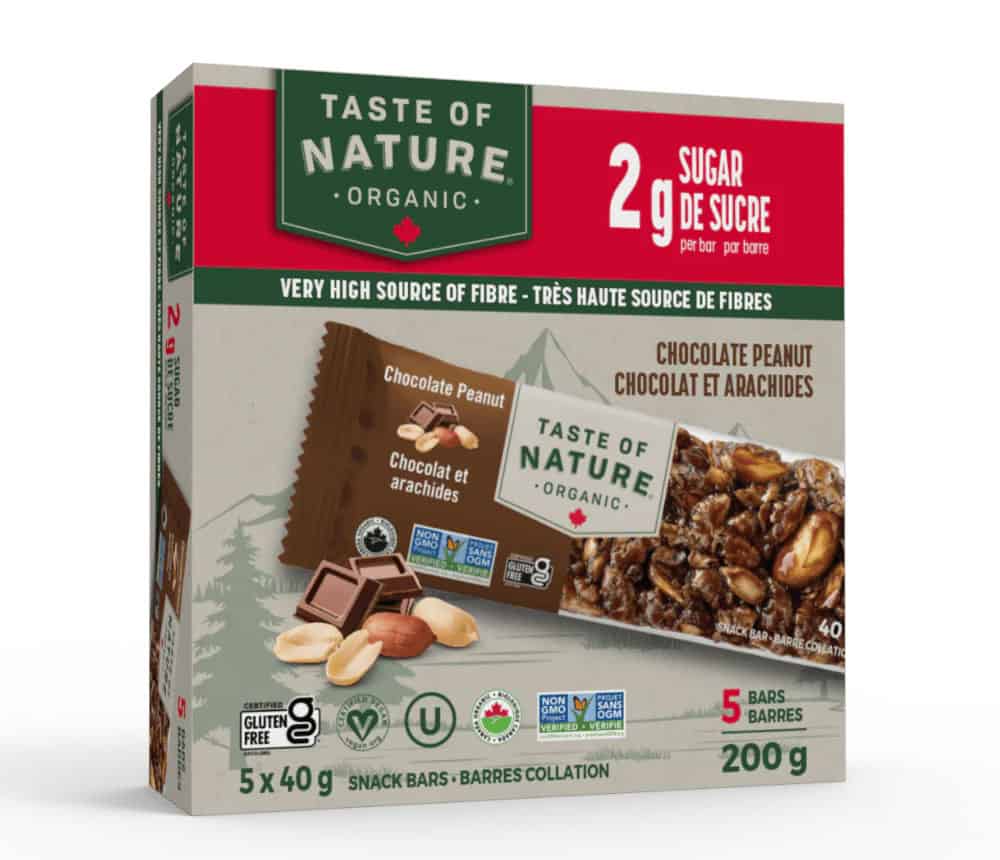
Packaged foods may also be a good source of fiber. The following are the most common terms labeled on the front package.
There is no scientific evidence to support that high fiber foods cause bloating and gas. However, some people may be more sensitive to certain types of fiber/foods, which could lead to discomfort. For instance, some people feel bloated after eating beans. It may be due to the sudden influx of dietary fiber; it may also due to the presence of non-digestible fiber oligosaccharides which become fermentable once they reach the large intestine. Soaking beans ahead of time, or thoroughly rinsing canned beans may help decrease gas. When increasing fiber intake, do so gradually. Slowly ease in by adding one food at a time. Increasing fluid intake at the same time may help avoid discomfort as well. If you are experiencing excessive gas or bloating after eating high fiber foods, speak to your doctor or dietitian.
There is no one-size-fits-all answer to this question, as the amount of fiber you need depends on a variety of factors, including age, gender, activity level, and health conditions. For some health conditions, high fiber foods may not be appropriate. For others, food intake may be insufficient to reach the recommended fiber requirement.
For those who may need a boost, there are a few different types of fiber supplements available, including psyllium husk, methylcellulose, and inulin. Psyllium husk is the most popular type of fiber supplement, as it is highly effective and relatively inexpensive. The most common psyllium husk supplement is Metamucil. On the other hand, methylcellulose is another effective option, but it is more expensive. Inulin is also available; however some users report gas and bloating as side effects.
If you are considering taking a fiber supplement, speak to your doctor or dietitian first to see which one could be right for you.
Although it is important to add more fiber to your diet, make sure you don’t rush into it. Remember to gradually add high fiber foods while increasing water intake to avoid unpleasant gastrointestinal symptoms.
Alumni: University of British Columbia – Gloria Tsang is the author of 6 books and the founder of HealthCastle.com, the largest online nutrition network run by dietitians. Her work has appeared in major national publications, and she is a regularly featured nutrition expert for media outlets across the country. The Huffington Post named her one of its Top 20 Nutrition Experts on Twitter. Gloria’s articles have appeared on various media such as Reuters, NBC & ABC affiliates, The Chicago Sun-Times, Reader’s Digest Canada, iVillage and USA Today.
healthy gut, high fiber, nuts, seeds, soluble fiber, vegetables, whole grains
Morning Sickness Diet – Foods to Manage Nausea and Vomiting During Pregnancy
Like our content? Download our free shopping guide and the first chapter of the GoUndiet Book Now!


HealthCastle Nutrition Inc. · © Copyright 1997-2026 · All rights reserved