

Written By: Gloria Tsang, RD
Title: Founding Dietitian
Alumni: University of British Columbia
Last Updated on:

For most people, they first heard of psyllium from a 2004 Kellogg’s breakfast cereal starred by William Shatner. A recent Metamucil TV commercial re-sparked an interest in the role of psyllium in cholesterol-lowering. So, what exactly is psyllium husk? Can it help lower cholesterol or prevent constipation?
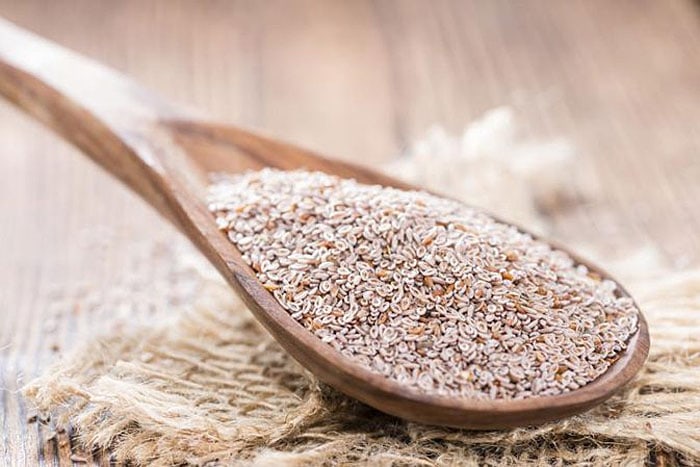
Table of Contents
Psyllium husk comes from the crushed seeds of the Plantago ovata plant, an herb native to parts of Asia, the Mediterranean and North Africa. The psyllium seed husks have been used in herbal remedies. Similar to oats and wheat, psyllium is rich in soluble fiber. Traditionally, psyllium husk is used as a gentle bulk-forming laxative for constipation.
Indeed, psyllium has long been recognized for its potential role in reducing blood cholesterol. As early as in 1998, the FDA already approved a health claim on psyllium:
Studies have shown that psyllium husk is effective in lowering total cholesterol and low density lipoprotein or LDL (the bad cholesterol) levels.
Since psyllium husk provides fiber, it can alleviate constipation. In addition, recent studies also showed positive benefits of psyllium husk in IBD (Crohn’s Disease and Colitis). In addition, psyllium husk can act as prebiotics – aiding to heal the inner lining of the inflamed intestines.
The Bottom Line
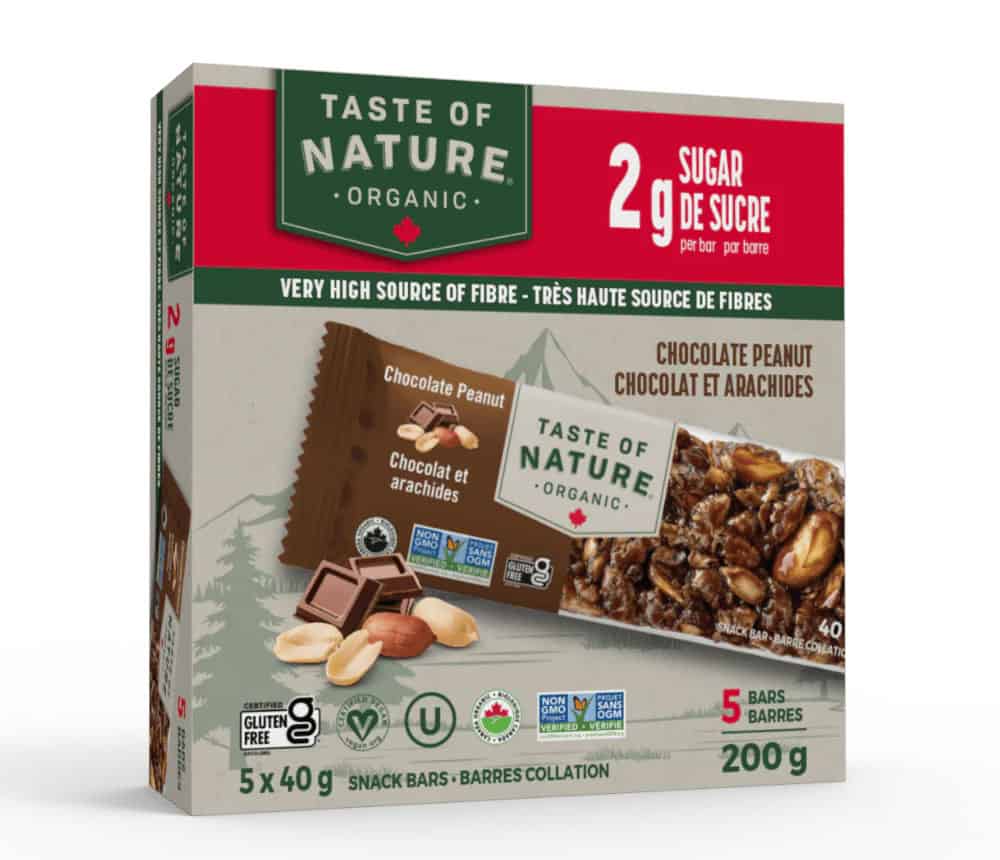
Psyllium husk is very rich in soluble fiber. Therefore, we only need to eat a small serving to contribute the soluble fiber to help achieve the cholesterol-lowering effect. Standard preparations of psyllium are available in dry seed or husk form, to be mixed with water as needed. You will also find them in capsules, or powder form. Many food products, such as breakfast cereals and baked goods, also contain psyllium. Read the label properly to ensure that you are eating an appropriate amount of psyllium in order to achieve the cholesterol-lowering effect.
Alumni: University of British Columbia – Gloria Tsang is the author of 6 books and the founder of HealthCastle.com, the largest online nutrition network run by dietitians. Her work has appeared in major national publications, and she is a regularly featured nutrition expert for media outlets across the country. The Huffington Post named her one of its Top 20 Nutrition Experts on Twitter. Gloria’s articles have appeared on various media such as Reuters, NBC & ABC affiliates, The Chicago Sun-Times, Reader’s Digest Canada, iVillage and USA Today.
cholesterol, heart disease, heart smart, psyllium
Like our content? Download our free shopping guide and the first chapter of the GoUndiet Book Now!

HealthCastle Nutrition Inc. · © Copyright 1997-2026 · All rights reserved

I appreciate the simple and complete info on this psyillium husk, I will try it for lowering LDL, thanks Steve