
Written By: Gloria Tsang, RD
Title: Founding Registered Dietitian
Alumni: University of British Columbia
Published on:

At first glance, couscous and millet may look like small, simple side-dishes that can be swapped interchangeably. They both cook in a similar fashion and appear as light, fluffy grains. But in fact they come from different sources and deliver different nutrition. For consumers aiming to eat well – whether for blood sugar control, micronutrient intake, or dietary restrictions – it helps to know how they differ. Here’s a look at the top three nutritional differences.
Table of Contents
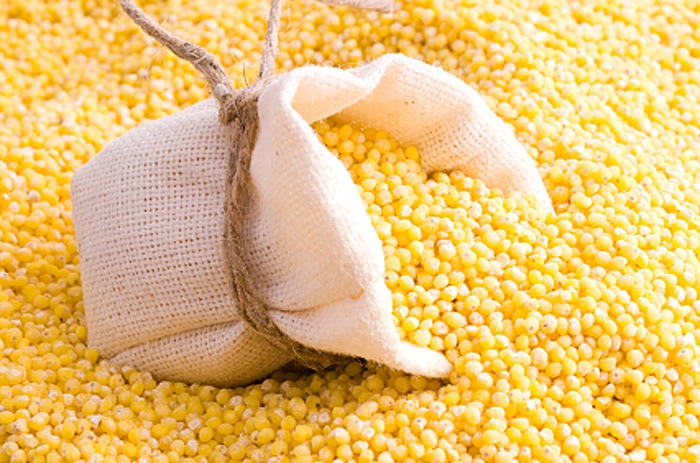
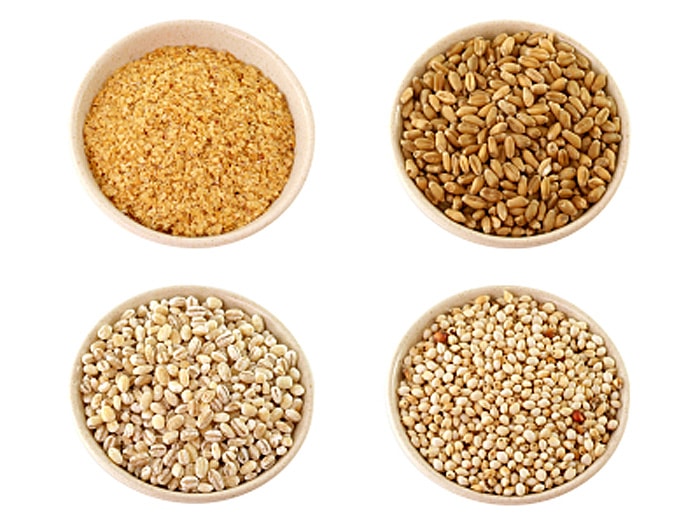
Couscous is not actually a whole grain in the way many think. It is made from durum wheat semolina and formed into small pellets. As such it contains gluten and is more like a pasta than a minimally processed cereal grain. Millet, on the other hand, is a family of true cereal grains, naturally gluten-free, and often eaten in whole-grain or lightly processed form.
What this means in practice is that if you are avoiding gluten (for celiac disease or gluten sensitivity), millet is the safer choice. In addition, as couscous is considered refined while millet is considered whole-grain, millet retains bran and germ, which contain more fiber, minerals and phytonutrients.
As both are from different grain family, their nutritional profile is slightly different. Couscous, for instance, is a good source for selenium. One cup provides ~43 mcg of selenium, that’s 79% of daily needs. Selenium is a trace mineral important for antioxidant and thyroid function.
Millet, on the other hand, tends to shine in other minerals such as magnesium, iron, and more, as well as in phytonutrients. A review1 noted that phytonutrients found in millet “aid in correction of lifestyle disorders and prevention of ailments like carcinogenesis.” The same study also found that millet is also a good plant-source for essential amino acid content such as lysine and methionine.
The third key difference – and one particularly relevant for people with insulin resistance or diabetes – is the glycemic index (GI) and how these two grains behave post-meal.
Glycemic index is a rating for how quickly a food raises blood glucose after consumption. Lower values mean slower, steadier rise. Couscous has a GI value of 65, indicating a medium impact on blood sugar.
Millet, in contrast, has a lower GI value, averaging 52.72, about 36% lower than refined wheat or rice. Researchers found that millets had significantly lower GI than white rice or refined wheat and that long-term consumption lowered fasting and post-prandial glucose levels. Another study3 also found that foxtail millet was associated with significantly lower post-prandial blood sugar levels, compared to the rice.
In short: for blood sugar management, whole-grain millet has a clear advantage. Not only could it promote satiety and help regulate blood sugar, millet may be able to help with weight loss4 too.
While both can fit into a healthy diet, the “best” choice depends on your goals.
HealthCastle has strict sourcing guidelines. We reference peer-reviewed studies, scientific journals and associations. We only use quality, credible sources to ensure content accuracy and integrity.
Alumni: University of British Columbia – Gloria Tsang is the author of 6 books and the founder of HealthCastle.com, the largest online nutrition network run by registered dietitians. Her work has appeared in major national publications, and she is a regularly featured nutrition expert for media outlets across the country. The Huffington Post named her one of its Top 20 Nutrition Experts on Twitter. Gloria’s articles have appeared on various media such as Reuters, NBC & ABC affiliates, The Chicago Sun-Times, Reader’s Digest Canada, iVillage and USA Today.
Sweet, Sticky, and Smarter Than You Think: The Real Nutrition Story Behind Dried Fruit
Why Balancing Blood Sugar Helps Weight Loss: Three Key Reasons (With One-Day Meal Plan)

Like our content? Download our free shopping guide and the first chapter of the GoUndiet Book Now!


HealthCastle Nutrition Inc. · © Copyright 1997-2026 · All rights reserved