
Written By: Gloria Tsang, RD
Title: Founding Dietitian
Alumni: University of British Columbia
Last Updated on:

A decade ago, “superfoods” were framed as shortcuts to better performance. Sports nutrition science today is less glamorous and far more grounded. Training quality, carbohydrate availability, protein adequacy and recovery consistency matter far more than any single ingredient.
Still, certain foods continue to stand out because they deliver multiple nutrients at once and fit easily into an athlete’s routine. This updated list revisits five foods from the original HealthCastle article and evaluates them through a current, evidence-based lens.
Table of Contents
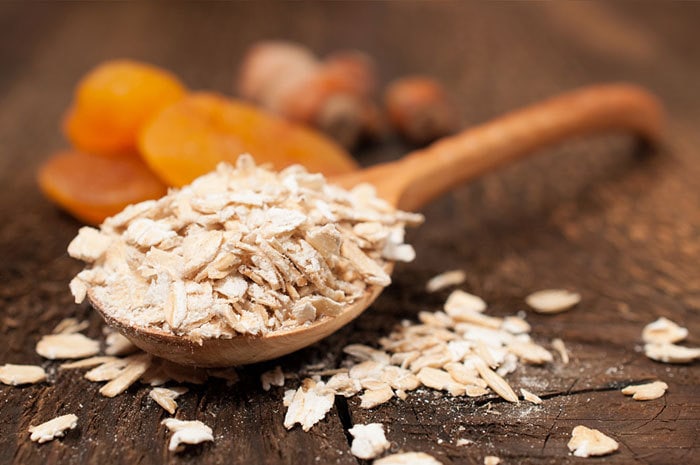
Oatmeal remains one of the most practical carbohydrate sources for athletes. Carbohydrate availability strongly influences endurance capacity, repeated sprint performance, and perceived exertion. When carbohydrate intake is too low, training quality suffers, regardless of how “clean” the diet looks.
Oats provide complex carbohydrates along with iron, magnesium, and B vitamins. For most athletes, they work best when portions are matched to training demands. Smaller servings before workouts reduce gastrointestinal discomfort, while larger portions after training support glycogen replenishment.
Sweet potatoes are not physiologically superior to rice or pasta, but they remain a useful option because many athletes tolerate them well and enjoy eating them regularly. Consistency matters more than novelty.
They provide carbohydrate alongside potassium and carotenoids, which supports overall diet quality. Their real strength is flexibility. They work equally well in recovery meals, rest-day plates, and higher-volume training weeks when energy needs rise.
Yogurt continues to earn its place because it combines high-quality protein with calcium and fluid in an easy-to-consume form. Position stands consistently show that total daily protein intake supports muscle repair and adaptation, especially when spread across meals.1
For athletes with low appetite after training, yogurt is often more realistic than solid foods. Choosing unsweetened or lightly sweetened varieties and adding fruit allows athletes to control carbohydrate intake without excessive added sugar.
Salmon remains one of the most efficient ways to obtain both complete protein and long-chain omega-3 fatty acids. Recent systematic reviews2 suggest omega-3 intake may reduce markers of exercise-induced muscle damage and inflammation, although responses vary between individuals.
This does not mean every athlete needs supplements. Regular inclusion of fatty fish, such as salmon, can support recovery and overall cardiovascular health as part of a balanced diet.
Blueberries are rich in anthocyanins and other polyphenols that influence inflammation and oxidative stress. A randomized trial3 found blueberry intake increased post-exercise anti-inflammatory lipid mediators, offering a plausible mechanism for improved recovery.
That said, performance benefits are inconsistent across studies.4 Blueberries are best viewed as a nutrient-dense fruit that may support recovery rather than a guaranteed ergogenic aid. Frozen blueberries work just as well as fresh and are often more affordable.
Some foods get attention not because they replace good nutrition, but because they may provide small, situational benefits when the basics are already in place.
Beetroot juice is rich in dietary nitrate, which increases nitric oxide availability and can improve blood flow efficiency. Recent umbrella and systematic reviews5 suggest nitrate supplementation may improve endurance performance and exercise efficiency, particularly in recreationally trained athletes. Results are less consistent in elite athletes, and benefits depend on dose, timing, and individual response. Beet juice is best viewed as a targeted tool for specific events rather than a daily staple.
Tart cherry juice is often discussed for recovery. A 2025 systematic review and meta-analysis6 found tart cherry supplementation may reduce muscle soreness and inflammation markers following intense or unfamiliar exercise. Performance effects are inconsistent, but recovery-related benefits appear more reliable, especially during heavy training blocks or tournaments with short recovery windows.
Both options can be useful in context. Neither compensates for inadequate energy intake, low carbohydrate availability, or poor sleep. For most athletes, they belong in the “experiment carefully” category, not the foundation of the diet.
HealthCastle has strict sourcing guidelines. We reference peer-reviewed studies, scientific journals and associations. We only use quality, credible sources to ensure content accuracy and integrity.
Alumni: University of British Columbia – Gloria Tsang is the author of 6 books and the founder of HealthCastle.com, the largest online nutrition network run by dietitians. Her work has appeared in major national publications, and she is a regularly featured nutrition expert for media outlets across the country. The Huffington Post named her one of its Top 20 Nutrition Experts on Twitter. Gloria’s articles have appeared on various media such as Reuters, NBC & ABC affiliates, The Chicago Sun-Times, Reader’s Digest Canada, iVillage and USA Today.
blueberries, oatmeal, salmon, sports nutrition, super foods, sweet potatoes, yogurt

Like our content? Download our free shopping guide and the first chapter of the GoUndiet Book Now!


HealthCastle Nutrition Inc. · © Copyright 1997-2026 · All rights reserved