
Written By: Gloria Tsang, RD
Title: Founding Dietitian
Alumni: University of British Columbia
Last Updated on:

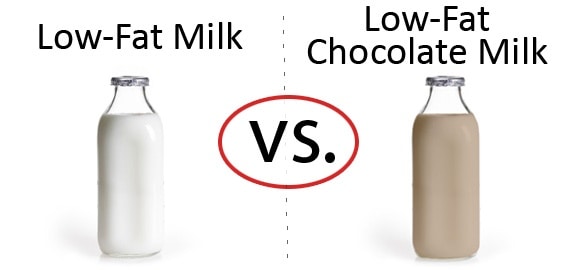
We grew up being told to eliminate greasy foods and chocolate as a means to prevent acne. Yet a number of studies showed no association between these foods and acne. However, recent studies indicate that diet plays a partial role and milk, in particular, is thought to be the culprit.
Table of Contents
A study published in the Journal of the American Academy of Dermatology in February 2005 sparked the controversy of diet once again. Researchers from the Harvard School of Public Health investigated data from more than 47,000 women who completed questionnaires on high school diet in 1998 and physician-diagnosed severe teenage acne in 1989. Results showed that those who drank three or more cups of milk a day were 22 percent more likely to experience severe acne compared with those who drank less than one serving a week. Other milk products such as cottage cheese, cream cheese and instant breakfast were also linked with association. The link milk was even stronger with skim milk intake. The author of the study wrote that the hormones and bioactive molecules in cow’s milk are likely responsible.
In a commentary published in the same journal, Dr William Danby from the Dartmouth Medical School suggested that various hormones released from cows, especially pregnant cows, are metabolized into substances which eventually produce oil-making cells among teenagers. He added that patients with severe acne should avoid dairy products.
Despite this information, the link between milk and acne is still controversial. If milk products are eliminated from your diet, you should take care to substitute other calcium-rich foods in particular. Consider regularly including tofu or other calcium-fortified drinks such as soy milk or orange juice in your diet. The recommended intake of calcium for teenagers is 1,300 milligrams a day and 1,000 mg for average adults. Speak to your doctor about calcium supplements if you are concerned
Alumni: University of British Columbia – Gloria Tsang is the author of 6 books and the founder of HealthCastle.com, the largest online nutrition network run by dietitians. Her work has appeared in major national publications, and she is a regularly featured nutrition expert for media outlets across the country. The Huffington Post named her one of its Top 20 Nutrition Experts on Twitter. Gloria’s articles have appeared on various media such as Reuters, NBC & ABC affiliates, The Chicago Sun-Times, Reader’s Digest Canada, iVillage and USA Today.
Like our content? Download our free shopping guide and the first chapter of the GoUndiet Book Now!


HealthCastle Nutrition Inc. · © Copyright 1997-2026 · All rights reserved