
Written By: Keeley Drotz, RD
Title: Registered Dietitian
Alumni: Seattle Pacific University
Last Updated on:

DHA has recently gained much attention, and is now appearing in unexpected places – from eggs to baby foods to milk. But why should we care about DHA?
Table of Contents
DHA stands for “docosahexaenoic acid.” It is a polyunsaturated omega-3 fatty acid (22:6 n3) and is considered a beneficial fat. DHA is critical for the optimal development and function of the brain, eyes, and central nervous system during infancy and childhood. The brain grows rapidly throughout the first years of life, and DHA usage by the brain is significant during this time. Because DHA makes up a large portion of the brain and the retinas of the eyes, a deficiency could negatively impact the development or function of these organs. Studies revealed that babies with higher DHA levels have better mental and visual function. In addition, children who were breastfed tend to have higher IQ scores and better academic performance than those who were formula-fed; this is believed to be partly related to the high DHA content of breastmilk.
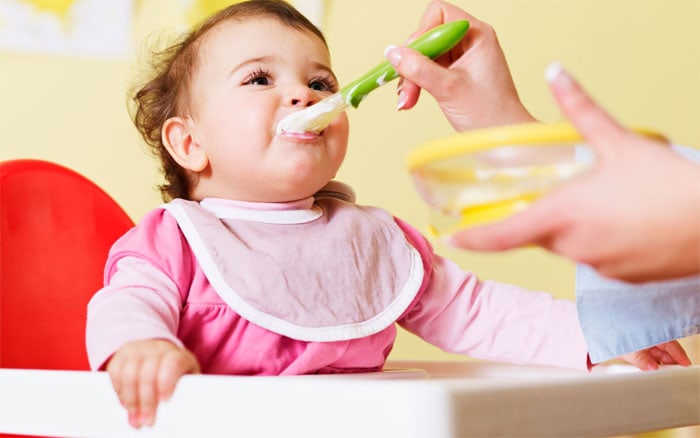
Although there are no official intake recommendations for DHA in children, studies showed that actual intakes are far less than adequate for optimal growth and development. While most experts recommend at least 100 to 150 milligrams of DHA for kids per day, actual intakes appear to be closer to 20 to 50 milligrams per day only. A 3 oz serving of salmon provides about 600 mg of DHA.
Babies get DHA from breastmilk, where it is found naturally. Infant formulas are now being supplemented with DHA. But when young children are weaned from breastmilk or formula to solid foods, their intake of DHA tends to decrease.
Natural sources of DHA are found in:
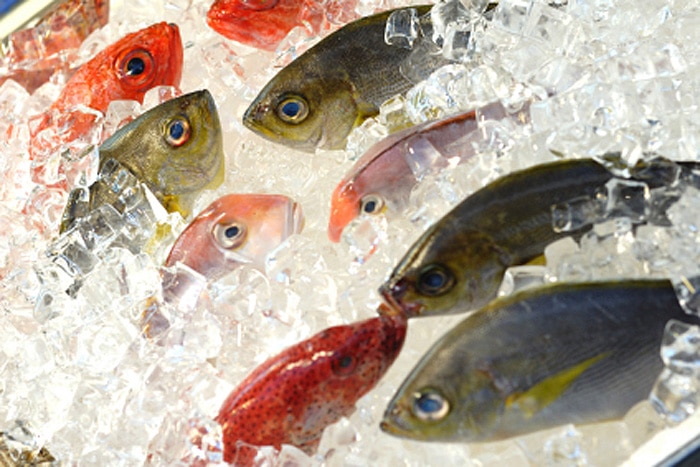
However, young children must limit their intake of fish due to mercury contamination. Children under six years old may eat half of a can (3 oz) of chunk light tuna per week. In addition, they can have another seafood meal low in mercury that week, such as salmon, herring, sardines, anchovies, cod, shellfish, trout, pollock, or catfish. If your child eats albacore tuna: limit it to one child-sized serving (3 oz/half of a can or less) per week, and avoid any other fish that week. A young child’s portion size depends on his or her weight and ranges from 1 oz for a 20-pound child to 3 oz for a 60-pound child.
For safer options to reap DHA’s health benefits, choose food products that are fortified with algae-derived DHA.
It’s actually not difficult to make sure your child consumes enough DHA. For instance, a weekly intake of two DHA-enriched eggs plus one child-sized serving of fish (one ounce of fish per 20 pounds of body weight) that is rich in DHA and lower in mercury, such as salmon or herring, can provide much – if not all – of the DHA your child needs.
Alumni: Seattle Pacific University – Keeley graduated Summa Cum Laude from Seattle Pacific University with a Bachelor of Science in Food and Nutrition and a Dietetics Specialization. She went on to complete her dietetic internship at Baylor University Medical Center in Dallas, where she received the Distinguished Dietetic Intern Award and Scholarship.
brain food, dha, kid's nutrition, omega-3
What Do High Performance Athletes Eat for their Olympics Diet?

Like our content? Download our free shopping guide and the first chapter of the GoUndiet Book Now!


HealthCastle Nutrition Inc. · © Copyright 1997-2026 · All rights reserved