
Written By: Sofia Layarda, MPH
Title: Master of Public Health
Alumni: University of California, Berkeley
Last Updated on:

Energy drinks are increasingly popular nowadays, with names like No Fear, Adrenaline Rush, Monster, and Rockstar suggesting that energy-boosting “powers” are contained in the products. What are the common ingredients in these drinks, and are they really worth the hype?
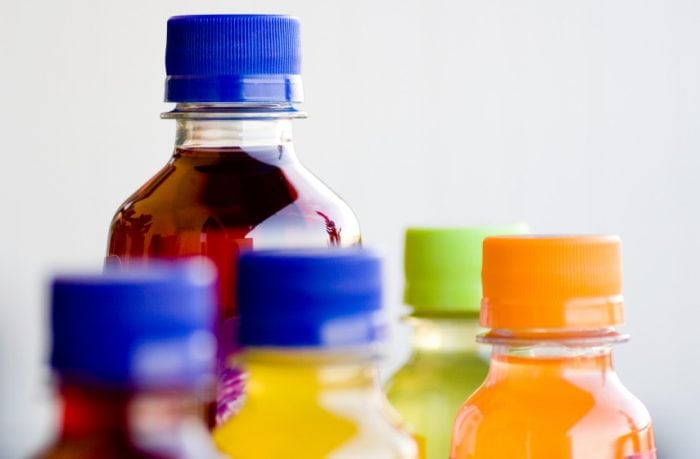
Table of Contents
Energy drinks often include amino acids such as taurine, glutamine, or leucine, claiming that they help replenish what our bodies lose through stress or extreme physical activities. Some drinks include levels way in excess of what you would get through eating regular foods, yet the effect of such mega-doses on the body is unknown. There is no evidence in the scientific literature of health benefits resulting from the consumption of any specific amino acids by healthy individuals. And let’s face it, very few of us are exercising at the intensity that requires extra nutrient supplementation over and above what we get from eating.
Because energy drinks are classified as dietary supplements, there is no limit on how much caffeine can be added. This has resulted in wildly varying levels of caffeine per drink, ranging from 50 mg to over 500 mg (the amount of caffeine in a 20-oz bottle of Fixx Energy). For comparison, a small cup of brewed coffee contains about 130 mg. Most experts agree that 200 mg of caffeine a day generally poses no problems.
In a January 2009 review article, researchers from Johns Hopkins University School of Medicine in Maryland stated that the US has one of the most loose sets of regulation around labeling and health warnings for energy drinks, and warns of caffeine intoxication from energy drinks. While the health effects of energy drinks are not widely researched, researchers at St. Joseph’s Hospital and Medical Center in Arizona reported on four patients who had seizures after heavy consumption of energy drinks in 2007.
Energy means calories. A can of energy drink means a can of drink loaded with calories: i.e., sugar. As a group, energy drinks are notorious offenders in this department, with some offering over 60 g of sugar (that’s 15 teaspoons) in one can! Besides empty calories and a nasty assault on your teeth, drinks that are this sweet really don’t help keep your body hydrated. There are many equally tasty options with much lower sugar loads out there, such as brewed tea with ice, tonic water with a splash of juice, or a homemade smoothie using yogurt and fruits.
Many drinks add B vitamins and Vitamin C to their formulations. These vitamins are plentiful in the foods we eat, and are water-soluble, so any extra amounts consumed will be excreted in the urine.
Some popular additions include yerba mate, guarana, ginseng, ginkgo biloba, and milk thistle. There is presently no clear evidence of any superior health benefits conferrred by these items on healthy individuals, although some of these are starting to be studied.
There are literally hundreds of portable, bottled concoctions competing for shelf space at gyms, health-food stores, drug stores and supermarkets that contain ingredients designed to provide a physical or mental boost. For busy women, an energy drink might seem like an easy way to, well, get some energy. So, should you break out one of these energy drinks and start guzzling? Not exactly. Here’s what you need to know.
Energy drinks are carbonated beverages that contain large amounts of caffeine and sugar along with other ingredients, such as B vitamins, amino acids such as taurine and herbal stimulants such as guarana and ginseng. Think Red Bull, Full Throttle, Sobe No Fear and Monster Energy. While the loads of sugar and caffeine in these energy drinks will in fact provide you a temporary boost, that’s not all they’ll give you.
If your goal is weight management or weight loss, drinking extra sugar (a.k.a. extra energy) is counter-productive. In fact, all that excess energy is likely to cause weight gain. Furthermore, the excess caffeine can cause nervousness, irritability, increased heart rate and insomnia. What’s more, the uplifting effects of energy drinks are only temporary. When they wear off, you’ll feel anything but energized.
Nutritionally speaking, energy drinks are comparable to soda. The traces of vitamins and minerals can’t make up for the caffeine and sugar, not to mention the questionable herbal ingredients. Put simply, energy drinks are only going to exacerbate poor dietary choices, a lack of sleep and a lack of exercise. Energy drinks make big promises, but once you cut through the hype and look past the flashy packaging, you’ll find what you’re really getting is a stiff dose of liquid caffeinated candy.
It depends. Sports energy drinks such as Gatorade and Powerade are advertised as fluid replacements for athletes. They provide carbohydrates (for energy to fight fatigue) and electrolytes (for hydration and muscle function) that are not found in water.
Here’s the catch. While electrolyte and energy deficits can occur during rigorous events (say a 50 mile run, a 100 mile bike ride or a four hour triathlon), average workouts (a one hour yoga class, a 45 minute spinning class or a 30 minute run) will not do the same. In fact, you need to engage in very strenuous exercise for at least an hour or longer in order for expensive sports beverages to provide a performance edge that water can’t supply.
In most cases, water remains an effective and inexpensive way to cover losses sustained by a common workout. As a general rule you should drink at least eight ounces of water before exercise, four to eight ounces every 15-20 minutes during exercise, and 16 ounces after you have finished working out.
“Energy” only means “calories.” Oranges give energy, Twinkies give energy, and turkey sandwiches give energy, simply because they all provide calories. Same goes for energy drinks. They supply calories and only calories – not the ability to run faster than a speeding bullet or the power to leap over tall buildings in a single bound. What you’re buying is convenience, and energy drinks are a far cry from ideal energizing nutritious foods like fruits, veggies, whole grains, lean protein, beans, etc.
No amount of vitamins or nutrients delivered by energy drinks even comes close to what you get from eating a diverse range of foods. In any case, whatever energy drink makers’ claims, their products’ hype is overshadowed by the unsavory sugar loads and huge fluctuations in the level of caffeine in the products. In addition, the health effects resulting from what seems to be a random mix of amino acids, herbal products, and vitamins are unknown.
Our vote? Keep it simple: get your energy from the foods you eat. Yogurt, crackers, or a piece of fruit will do the trick. A May 2009 article in the Journal of the International Society of Sports Nutrition reported that a bowl of whole grain cereal plus milk worked just as well as a high-carb drink in replenishing the glycogen content of the muscles of cyclists after exercise.
Alumni: University of California, Berkeley – Sofia believes in bringing back fun and pleasure into everyday eating. She loves cooking, and is constantly experimenting with ingredients, creating recipes and trying them out on family and friends. Her latest interest lies in finding realistic and practical ways of environmentally-friendly food/eating habits.
amino acid, athletes, caffeine, energy drinks, herbal, sports drink, sports nutrition, sugar, vitamins

Like our content? Download our free shopping guide and the first chapter of the GoUndiet Book Now!


HealthCastle Nutrition Inc. · © Copyright 1997-2026 · All rights reserved