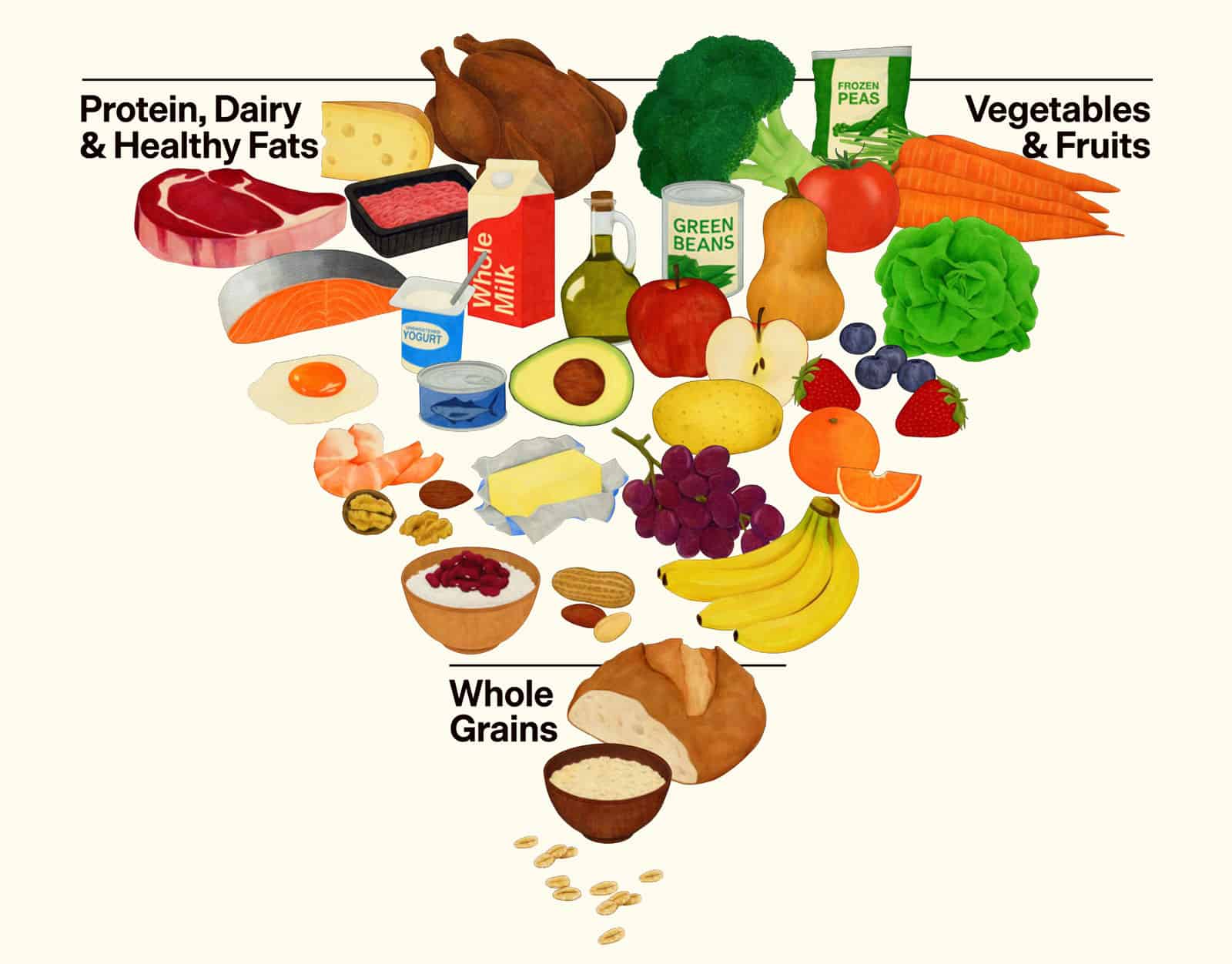
While not terribly different from the 2005 version, the 2010 update of the Dietary Guidelines for Americans shows increased emphasis on eating fresh produce, as well as maintaining a balanced, nutrient-dense diet that’s high in fiber, low-fat dairy, and whole grains – but also lower in sodium, artery-clogging fats, and added sugars. As a nod to the growing obesity epidemic, the guidelines also encourage increasing physical activity and keeping an eye on calories.

New Key Points from the 2010 Dietary Guidelines for Americans
Sodium
- What the guidelines say: Reduce daily sodium intake to less than 2,300 milligrams; those who are aged 51 and older, are African American, or have hypertension, diabetes, or chronic diseases should cap sodium at 1,500 milligrams.
- Make them work for you: Restaurant, packaged, and convenience foods are notoriously high in sodium. Prepare more fresh foods at home, where you can control the amount of added sodium. When you’re shopping, compare packaged food choices and go for the product with the lowest sodium.
Solid Fats/Added Sugar
- What the guidelines say: Reduce calorie intake from solid fats and added sugars.
- Make them work for you: Do a double whammy on your diet and not only kick out solid fats and added sugars, but increase the produce you eat, too. Reaching for vegetable and fruit-based snacks instead of traditional vending machine fare will help you decrease the amount of artery-clogging fat and sugar you eat – and boost the volume of fresh produce you eat. Try an apple with a tablespoon of almond butter, baby carrot sticks with two ounces of hummus, or low-fat string cheese and a handful of grapes. Also, ditch sodas and drink water instead of sugary drinks.
Potassium/Fiber
- What the guidelines say: Eat more foods rich in potassium, fiber, calcium, and Vitamin D.
- Make them work for you: Add plenty of deeply hued fruits and vegetables, whole grains, and low-fat dairy to snacks and meals. As an easy way to up your produce intake, fill half of your plate with fruits (everyday) or veggies at mealtime.
Seafood
- What the guidelines say: Eat more seafood.
- Make them work for you: Sketch out a weekly meal plan before hitting the grocery store, and be sure that your days are varied with plenty of lean protein choices. It’s especially important to include seafood; try for twice a week.
Not-So-New Points from the 2010 Dietary Guidelines for Americans:
Saturated Fat
- What the guidelines say: Get less than 10% of your calories from saturated fat.
- Make them work for you: Replace solid fats with monounsaturated or polyunsaturated oils (like olive or canola) when cooking. Also, switch to reduced-fat milk and other low-fat dairy products.
Cholesterol
- What the guidelines say: Consume less than 300 milligrams of cholesterol per day.
- Make them work for you: Go meatless one day per week. Try meals based around beans, legumes, nuts, and seeds for protein. You’ll cut not only cholesterol, but saturated fat, too.
Trans Fat
- What the guidelines say: Keep trans fat intake as low as possible.
- Make them work for you: Look beyond the Nutrient Facts panel – it may say “0 grams trans fat,” but an ingredient list that includes “partially hydrogenated” oil means trans fat is in the mix… your tip-off to avoid that product!
Refined Grains
- What the guidelines say: Limit your consumption of refined grains.
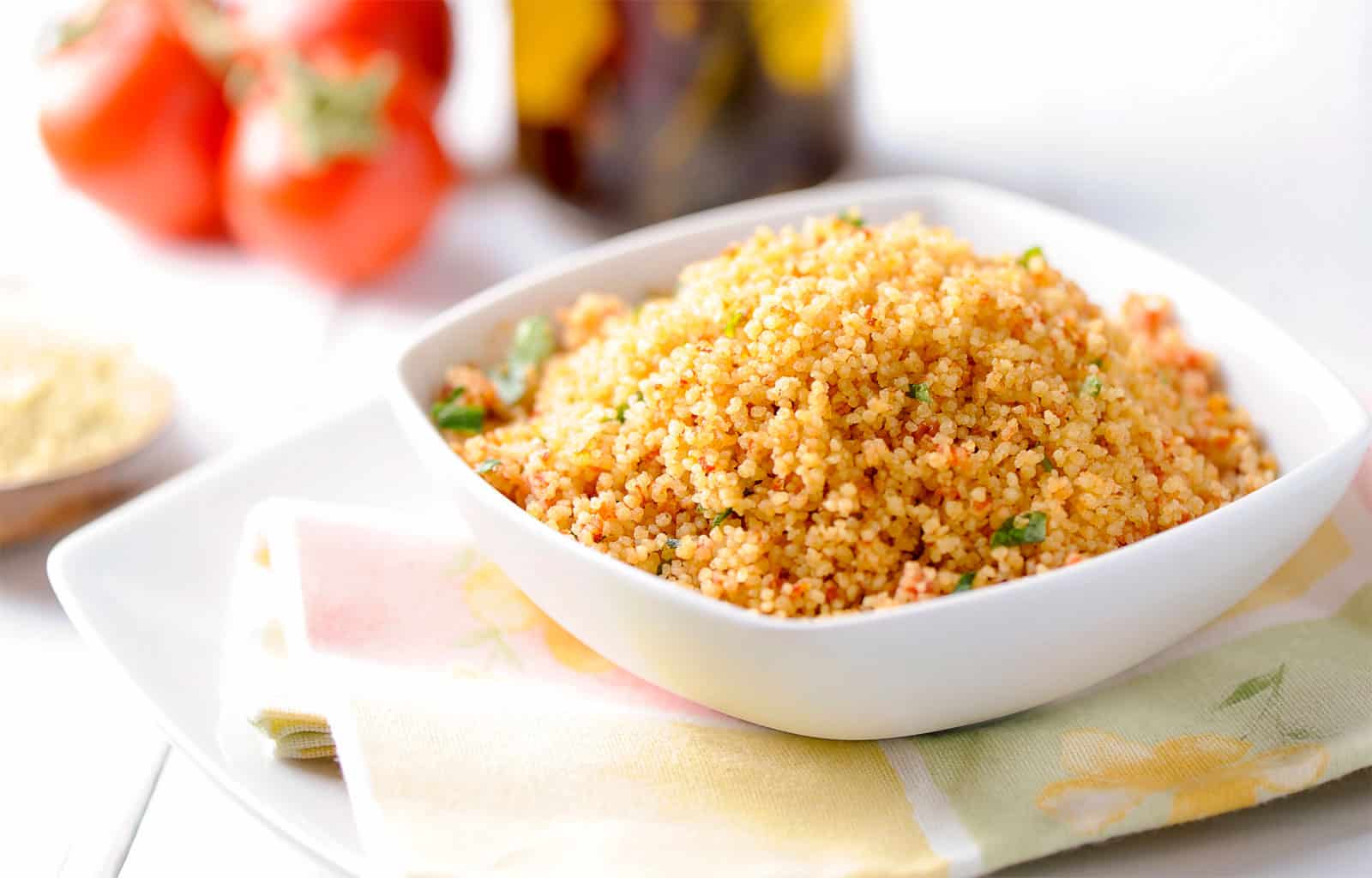
- Make them work for you: Instead of foods made primarily with refined flour, make half of the grains you eat whole. Some great places to start include 100 percent whole wheat bread, low-sugar whole grain cereal (like Cheerios), and 100 percent whole grain pasta.
Alcohol
- What the guidelines say: Consume alcohol in moderation (1 drink/day for women, 2 drinks/day for men).
- Make them work for you: 5 ounces of wine, 12 ounces of beer, or 1.5 ounces of liquor is one drink – beware of big restaurant glasses that slyly serve more than you expect.
The Bottom Line
Treat your body to a wholesome diet that includes plenty of whole foods. Take advantage of the growing availability of fresh, local produce and other healthy treats to inspire some changes and align your diet with the Dietary Guidelines.
Alumni: University of Tennessee, Knoxville – Beth Sumrell Ehrensberger is a Registered Dietitian and holds a Master Degree in Public Health. An experienced nutrition counselor, writer and public speaker, Beth specializes in translating complex nutrition information into practical concepts. Beth was awarded a Nutrition Communications Fellowship to the National Cancer Institute, and has worked on the internationally recognized Nutrition Action Healthletter of the Center for Science in the Public Interest.