
Written By: Gloria Tsang, RD
Title: Founding Dietitian
Alumni: University of British Columbia
Last Updated on:

Healthy eating is all about making wise choices. Holiday eating is no exception. By simply weighing your options when it comes to holiday foods, you may be able to keep your waistlines after weeks of festivity.

Table of Contents
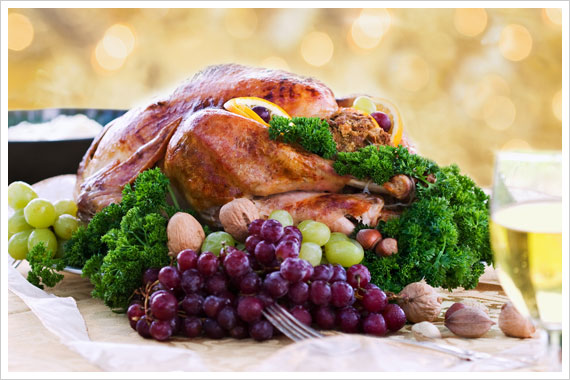
Choose Turkey. Both of these holiday foods are great sources of protein, but turkey provides significant less fat if you skip the skin. In addition, ham has 15 times more sodium than turkey and may contain nitrates. A controversial ingredient commonly found in processed meat, sodium nitrite has been linked to cancer.
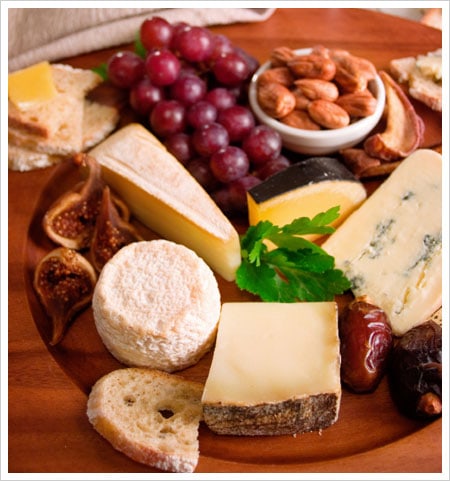
It depends. If you are primarily concerned about fat and calories, choose soft cheese because they generally provide fewer calories and lower fat. However, if you are concerned about calcium, choose hard cheese as they usually pack a lot of more calcium per serving. Ricotta cheese, for instance, has only 39 calories and 77 mg of calcium per ounce. Romano, on the contrary, has 110 calories and over 300 mg of calcium per ounce! For nutritional information of more cheese, check out our cheese comparison.
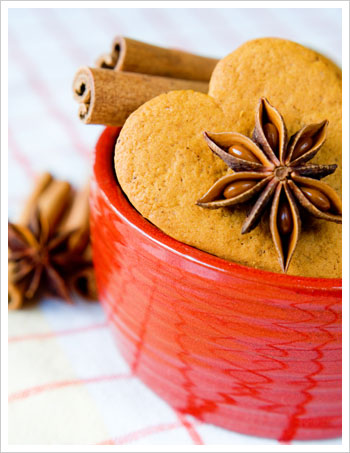
Choose Gingerbread cookies. Gingerbread cookies contain only half the amount of calories, sugar and fat than chocolate dip shortbread.
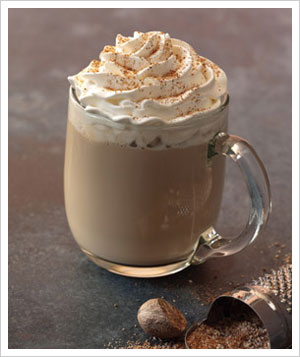
Choose Gingerbread latte at Starbucks. The main difference is really the amount of sugar used. With most of the ingredients beingsimilar, peppermint mocha has 4 more teaspoons of sugar in its ingredients, making it containing an extra 90 calories than a grande gingerbread latte.
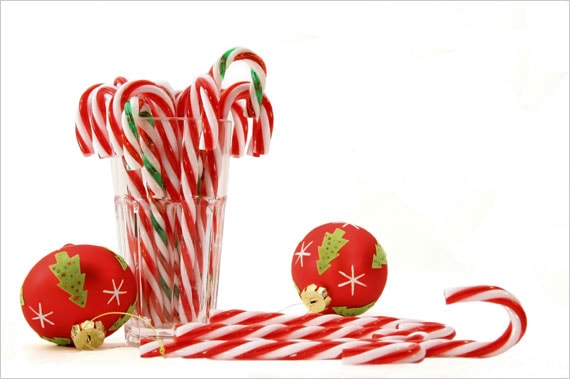
It depends. If you can restrain yourself from eating more than one piece, either one is fine. One truffle ball provides 85 calories while a candy cane contains about 55 calories. The good thing about candy cane is that it can last a long time, and most people don’t eat more than one piece!
Consider: Although a candy cane has fewer calories and no fat, this holiday food is still loaded with refined sugar and is another example of empty calories food. If dark chocolate is available, it may be a good option. Dark chocolate contains more flavonoids, a type of polyphenol antioxidant, and has been shown to reduce the bad LDL cholesterol in preliminary studies.Red wine vs. White wine
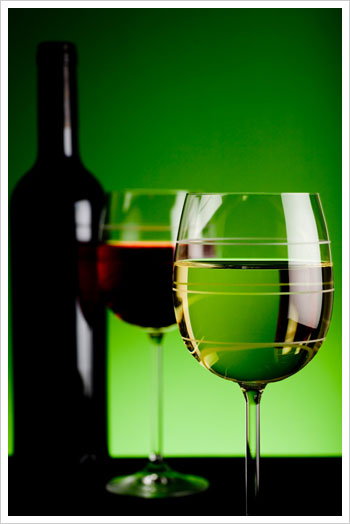
Choose Red Wine. Red wine contains resveratrol, a type of antioxidant that has been shown to increase HDL cholesterol and prevent blood clotting. In addition, red wine contains flavonoids, another antioxidant that helps prevent blood clots and plaque formation in arteries
Also, sixty million Americans experience heartburn at least once a month. But heartburn doesn’t have to join turkey and dressing on the holiday menu this season.
Fatty foods are usually the biggest culprits for causing heartburn, and since most holiday foods are high in fat, you may want to look for other ways to deal with heartburn during the holidays. Dr Ergun, a gastroenterologist with the Methodist Hospital in Houston, advises heartburn sufferers not to lie down right after eating and not to eat within two to three hours of bedtime.
Alumni: University of British Columbia – Gloria Tsang is the author of 6 books and the founder of HealthCastle.com, the largest online nutrition network run by dietitians. Her work has appeared in major national publications, and she is a regularly featured nutrition expert for media outlets across the country. The Huffington Post named her one of its Top 20 Nutrition Experts on Twitter. Gloria’s articles have appeared on various media such as Reuters, NBC & ABC affiliates, The Chicago Sun-Times, Reader’s Digest Canada, iVillage and USA Today.
christmas, heartburn, seasonal celebrations, Thanksgiving
Like our content? Download our free shopping guide and the first chapter of the GoUndiet Book Now!

HealthCastle Nutrition Inc. · © Copyright 1997-2026 · All rights reserved