
Written By: Gloria Tsang, RD
Title: Founding Dietitian
Alumni: University of British Columbia
Last Updated on:

February is Heart Health Month! It’s a good time to look into the sodium you eat on a daily basis. There are many foods with hidden sodium – salt doesn’t just come from the salt shaker. But first of all, how much sodium should we eat?
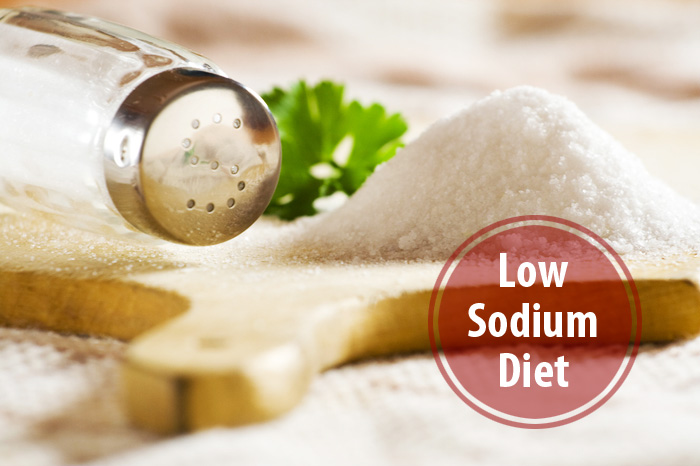
Table of Contents
Different organizations have different recommended amounts, but all agree that the lower the better.
Hiding your salt shaker is not enough to cut back on sodium, as 75% of our salt intake comes from packaged foods alone! In my book, Go UnDiet, I call for us to Un-HPF – that is, stay away from highly processed foods.
The good news is that you can cut down on sodium by simply switching from processed foods to fresh foods. In addition, always look for the low-sodium versions of the packaged food.
Furthermore, look out for any form of the word “sodium” on the ingredient list. Additives such as sodium chloride, sodium citrate, and sodium bicarbonate are a few examples of hidden sodium found in packaged foods.
If you have followed my posts for years, you will know that I’m against foods that claim they’re fat-free, sugar-free, etc. However, with sodium, it’s is actually a good thing to get the “lowest” version possible. These are the terms you may see on a label:
In general, a diet that emphasizes lots of plant-based foods like fruits, vegetables, lentils, and whole grains is effective in shaving points off a blood pressure reading. In particular, shedding pounds, cutting down on sodium, boosting potassium intake, and limiting alcohol are all proven ways to help control blood pressure.
Alumni: University of British Columbia – Gloria Tsang is the author of 6 books and the founder of HealthCastle.com, the largest online nutrition network run by dietitians. Her work has appeared in major national publications, and she is a regularly featured nutrition expert for media outlets across the country. The Huffington Post named her one of its Top 20 Nutrition Experts on Twitter. Gloria’s articles have appeared on various media such as Reuters, NBC & ABC affiliates, The Chicago Sun-Times, Reader’s Digest Canada, iVillage and USA Today.
heart smart, lower blood pressure, salt, sodium
Like our content? Download our free shopping guide and the first chapter of the GoUndiet Book Now!
HealthCastle Nutrition Inc. · © Copyright 1997-2026 · All rights reserved