
Written By: Gloria Tsang, RD
Title: Founding Registered Dietitian
Alumni: University of British Columbia
Last Updated on:

With Fall coming and temperatures dropping, the flu season is about to start again. In addition to proper hand washing, what can you do to lower your chance of falling ill?

Table of Contents
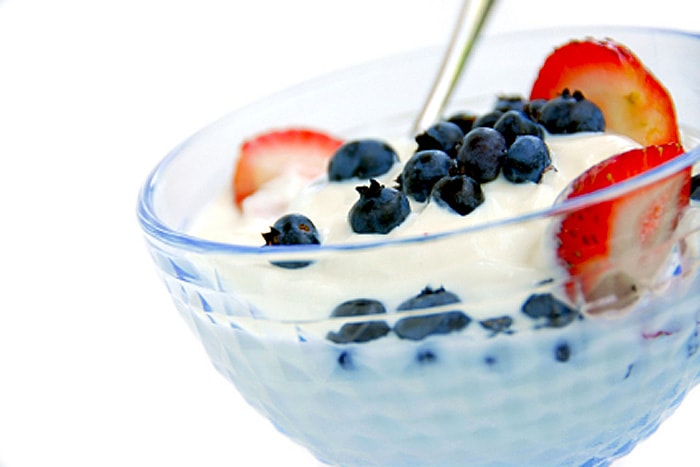
There’s a promising perk for yogurt lovers! A German study found that probiotics (as found in yogurt with active culture) may shorten your cold episode by almost two days. Most yogurt products have a label claiming they are good for your digestive health and may boost immunity. But not all bacterial strains have the immune-boosting quality. So far, only some strains, like Lactobacillus casei and Lactobacillus reuteri have been scientifically shown to prevent colds, improve immune response, or shorten sick leaves from work. So keep on eating those “friendly” bugs but look for yogurt products that contain these strains!
This sunshine vitamin continues to surprise us, not only for cancer prevention, but also in flu prevention. A 2007 study found that study participants taking daily Vitamin D pills were 3 times less likely to report flu symptoms. A high-dose of 2000 IU per day resulted in no reports of cold or flu symptoms! Indeed, it makes sense to take a 1000 IU Vitamin D supplement daily, especially during winter months when most of us are bundled up with minimal skin exposure to the sun. Speak to your doctor or dietitians before starting any supplementation.
Previous studies have shown that 1,000 mg of Vitamin C supplements may make your cold milder and shorten it by half a day. Another systematic review has found evidence that high-dose Vitamin C reduces the duration of symptoms in people with upper respiratory tract infections. However, not all studies generated a similar result. Hence, it is not generally recommended to take Vitamin C supplements routinely, but you may try them with the onset of a flu. Instead of supplementing on a day-to-day basis, include lots of Vitamin C–rich foods such as orange, kiwi, cantaloupe, strawberries, and watermelon in your diet.
Beta-glucans, a type of soluble polysaccharides found in foods, have been identified as having the ability to boost immunity, lower bad LDL cholesterol, and regulate blood sugar. However, not all beta-glucans are effective at improving immune response, according to Dr. Roger Clemens, Professor at the University of Southern California’s School of Pharmacy. Beta 1,3/1,6 glucans from mushrooms have been shown to enhance macrophage activity, which is critical in warding off infection. Beta 1,3/1,4 glucans found in oats and barley, however, do not appear to be effective. So toss extra mushrooms in your pasta sauce, soups, stir-fries, casseroles, or pizza. Don’t forget, not just exotic mushrooms like shiitake or reishi contain beta-glucans. Local favorites like crimini and white button mushrooms are also healthy options.
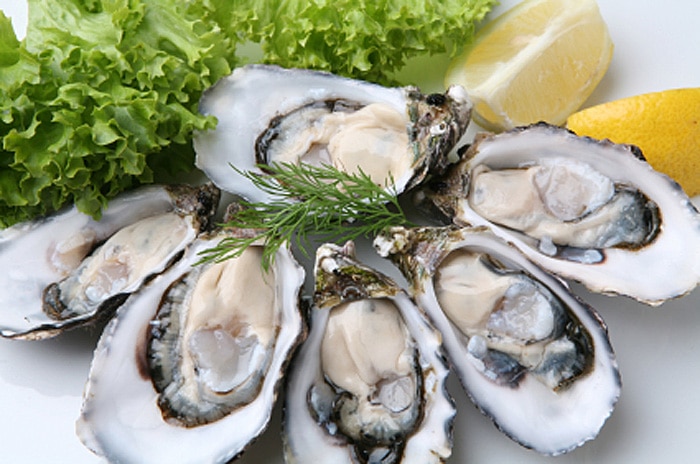
Most of us think of the good omega 3 fatty acids when we think of seafood. But did you know that seafood is also a rich source of selenium, a potent antioxidant? A small study conducted by researchers from the University of California found that healthy men given a high-selenium diet had a better immune response in improving white blood cells (B-lymphocytes and perhaps T-cell function). So include a variety of sustainable seafood choices in your diet.
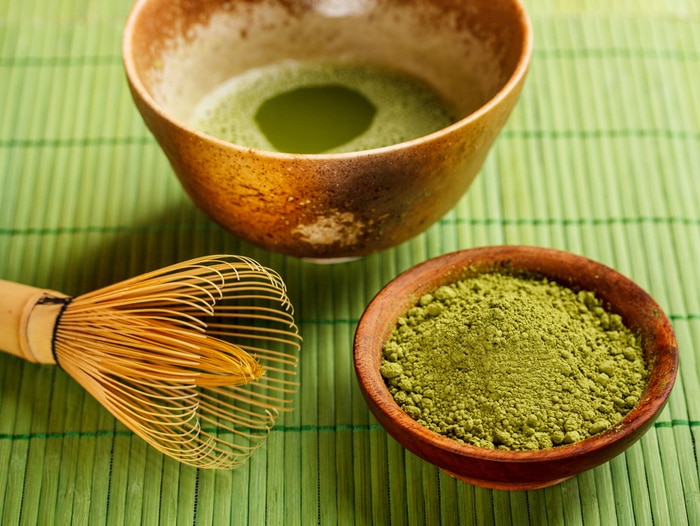
A 2007 study showed that participants taking green tea extracts have improved immune response by secreting more virus-fighting interferon. Dr. Susan Percival, one of the researchers in this study, agreed that drinking at least 6 cups of tea will achieve the same health benefits. “Green tea is a better immune modulator as it contains higher levels of catechins, but black tea still has benefits,” added Dr. Percival, Professor of Nutritional Sciences at the University of Florida. Drinking 6 cups of tea may seem like a lot, but adding 2 to 3 cups of this calorie-free beverage to your day is not that hard to achieve.
Similar to seafood, most people think of omega 3 fatty acids as nuts’ major beneficial nutrients. But nuts are also known for their rich levels of Vitamin E, a fat-soluble vitamin. In our post on comparing nuts’ nutrition, almonds have the most Vitamin E! Researchers from Tufts University found that a daily Vitamin E supplement of 200 IU may help prevent colds among the elderly living in nursing homes. So enjoy some unsalted crunchy nuts and other Vitamin E–rich foods such as whole grain cereals.
Zinc found in meat is vital to immune response. But what about zinc lozenges? They were very popular in the 1980s and 90s, but it turns out they’re a thing of the past. Scientists from the Pittsburgh Medical Center conducted a review in 2007 of studies that investigated the effectiveness of zinc. They found that only one study had shown benefits, four subsequent studies showed no benefits, and four were biased.
Alumni: University of British Columbia – Gloria Tsang is the author of 6 books and the founder of HealthCastle.com, the largest online nutrition network run by registered dietitians. Her work has appeared in major national publications, and she is a regularly featured nutrition expert for media outlets across the country. The Huffington Post named her one of its Top 20 Nutrition Experts on Twitter. Gloria’s articles have appeared on various media such as Reuters, NBC & ABC affiliates, The Chicago Sun-Times, Reader’s Digest Canada, iVillage and USA Today.
antioxidant, beta glucan, fall, green tea, immune booster, mushrooms, probiotics, seafood, vitamin c, vitamin d, vitamin e, yogurt
Like our content? Download our free shopping guide and the first chapter of the GoUndiet Book Now!


HealthCastle Nutrition Inc. · © Copyright 1997-2025 · All rights reserved