
Nutrition Basics 101Healthy Eating GuidelinesSuper FoodsHealth and NutritionWomen's NutritionWeightloss DietNutrition Newsletter

What are Empty Calories?

Written by Gloria Tsang, RD
Published in Mar 2006; Updated in Sep 2007

empty calories(HealthCastle.com) You may have read the term "empty calories," or heard it used by nutritionists or even talk show hosts on TV. But what exactly are empty calories? Why are they so bad for you , and how can you avoid them?

Keep reading to discover where these sneaky calories may be hiding in your diet!
Empty Calories = High Calories but Low Nutrition

Contains Calories: Carbohydrates, Protein and Fat (collectively known as Macro-nutrients)

No Calories: All vitamins & minerals including antioxidants (collectively known as Micro-nutrients) as well as fiber

"Empty Calories" describes foods high in calories but low in nutritional values (also known as junk food!), lacking the health-promoting micro-nutrients listed above.

Examples of foods containing mostly Empty Calories

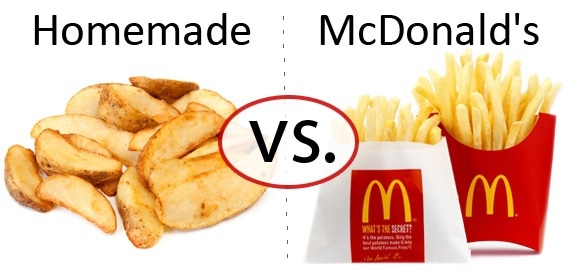
  • French fries, fried chicken, chips and all other deep-fried foods

    A large order of fries from a fast food chain can contain up to 570 kcal with a whopping 30 g of total fat and 8 g of trans fat! Tons of calories from fat and very few micro-nutrients.

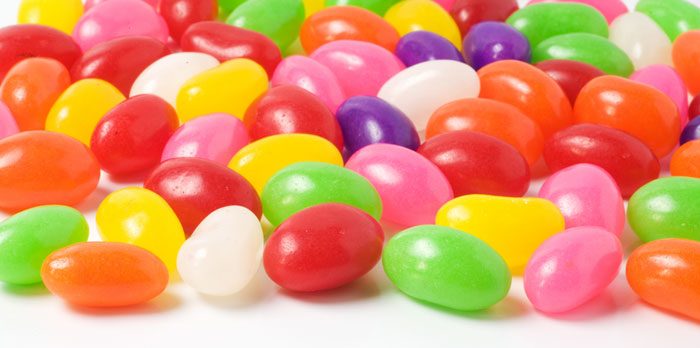
  • Candy, pop and other sweetened packaged foods

    A can of pop contains about 130 kcal as well as additives and colorings. Again, lots of calories from sugar but no micro-nutrients.

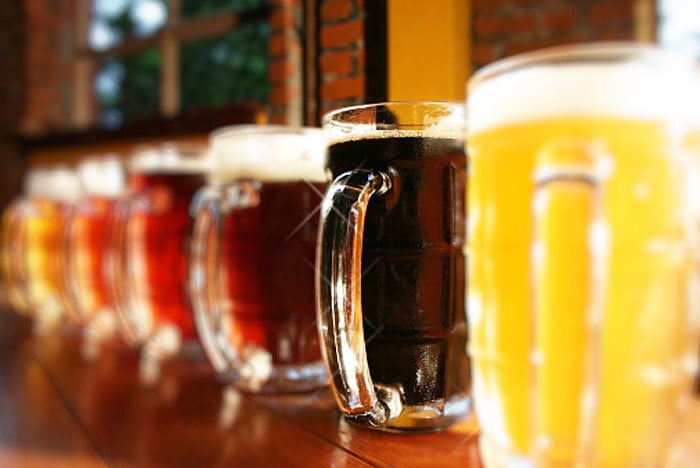
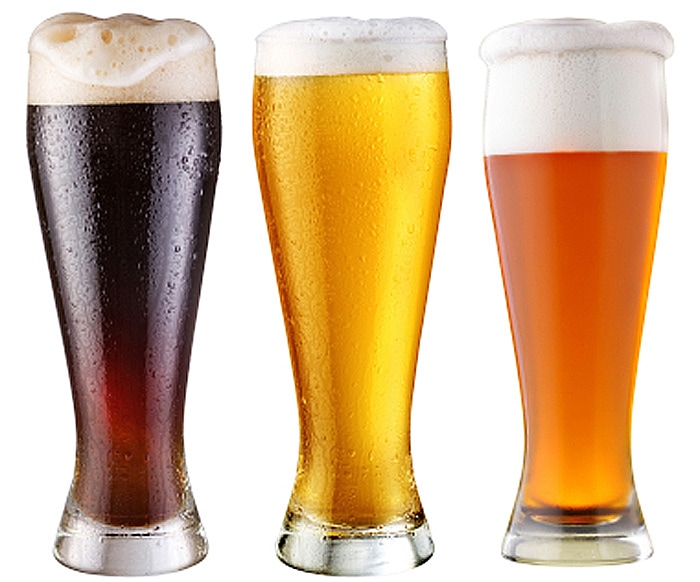
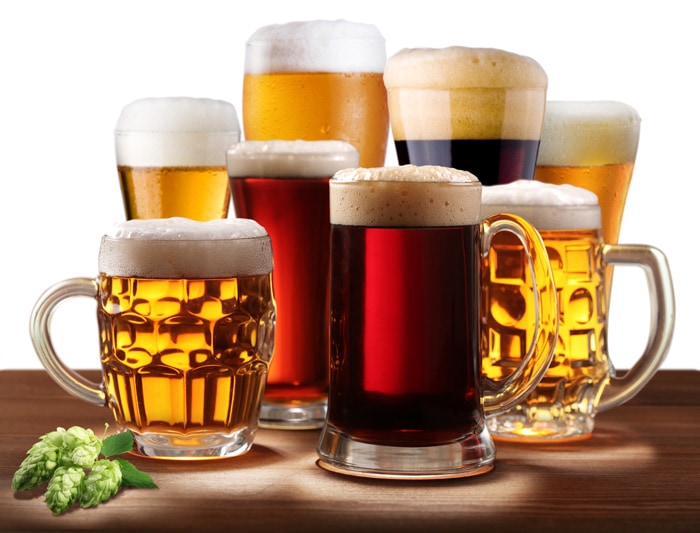
  • Beer, wine and all other alcoholic beverages

    A can of beer contains about 150 kcal from sugar and not much of anything else. In addition, calories from alcohol tend to be stored as fat in the abdomen (leading to a "beer belly").

  • Refined grains such as crackers, cookies, white rice and white bread

    Refined grains do provide some B vitamins, but that's it.

How to Avoid Empty Calories?

  • Avoid deep-fried foods. Instead of deep-frying, use other methods of cooking. For instance, have a baked potato with skin instead of fries, or a piece of baked skinless chicken breast instead of fried chicken.
  • Avoid sweetened drinks and canned drinks.
  • Try whole grains instead of refined grains. Whole grains are packed with beneficial fiber and antioxidants. For instance, have a slice of whole-wheat bread instead of white bread. Have a bowl of whole-grain breakfast cereals or unsweetened oatmeal instead of corn flakes.
  • Snack on fruits! Instead of prowling for a box of crackers in the mid afternoon, snack on fruits. Better yet, dip them in low-fat yogurt to get additional calcium and protein.

Page copy protected against web site content infringement by Copyscape


| Print Page | | nutrition tips |

Want to discuss nutrition topics? Use our Discussion Forum


Advertisement
Are 100-calorie snack packs good for kids?
Top 5 Must-have Snacks
5 Quick and Healthy Pantry Items Everyone Should Stock

FAQ Editor's Picks

Do your kids prefer ice cream and sugary drinks to asparagus and green pepper? Find out how to let your kids enjoy sweets without drowning in sugar.

Food & Nutrition

Diet Guidelines
Nutrition Basics
Grocery Aisle
Healthy Dine-out
Super Foods
Nutrition Books
Nutrition Articles

Nutrition & Health

Heart Smart Diet
Cancer Diet
Gout Diet
Acid Reflux
High Cholesterol
Diabetes Diet
Diverticulitis Diet
Lactose Intolerance
IBD Diet
ADHD Diet

Women's Nutrition

Menopause Diet
Osteoporosis
Anemia
Breast Cancer Diet
Pregnancy Nutrition

Weight Loss Nutrition

Am I Overweight?
Free Diet Profile
BMI Calculator
Waist-to-Hip Ratio


HONcode accreditation seal.
Categories:
Nutrition 101 | Healthy Eating | Super Foods | Podcast | Women's Nutrition | Food & Nutrition | Nutrition & Health | Weight & Diet
Member Area:
Login | SignUp | Free Nutrition Newsletter | Forum | Search | healthcastle nutrition
Media:
Press Room | Gloria Tsang, RD | In the News | News Release | White Paper | Logo | Recommended By | Event Photos
Corporate:

About Us | Advertise with Us | Legal | Career | Syndicate | Privacy Policy | Site Map | Contact Us

Information on this site is provided for informational purposes and is not meant to substitute for the advice provided by your own physician or dietitian. Information and statements have not been evaluated by the Food and Drug Administration and are not intended to diagnose, treat, cure, or prevent any disease.
Copyright© 1997-2008 Healthcastle Nutrition Inc. All rights reserved.